Hi, I’m Jason, an experienced SEO freelancer and digital marketer dedicated to helping businesses grow their online presence. I specialise in crafting tailored SEO strategies, creating engaging, keyword-rich content, and optimising websites to improve visibility and drive results.
With a deep understanding of industry-specific needs, I’ve successfully managed SEO campaigns for niches like funeral services, connecting businesses with their target audience effectively. My expertise extends beyond SEO to consulting on digital marketing strategies that deliver measurable outcomes.
When I’m not optimising websites or brainstorming content ideas, I enjoy exploring innovative marketing techniques and spending time with my family in Singapore.
📩 Let’s connect! LinkedIn https://sg.linkedin.com/in/sohjianhui
Feel free to reach out to discuss how I can assist your business with SEO, digital marketing, or content creation!
Taoism, a profound philosophical and religious tradition from China, offers unique insights into the concept of death, integrating it seamlessly into the cyclical processes of nature and existence. This 1000-word exploration delves into the Taoist perspective on death, the soul’s journey, and the implications for living a harmonious life.
Taoist Philosophy: The Cycle of Life and Death
Taoism views life and death as natural, interdependent stages of a continuous cycle, much like the phases of Yin and Yang—opposite yet complementary forces. Death is neither feared nor overly mourned in Taoism; instead, it is seen as a necessary passage to further existence or transformation. This perspective helps adherents accept death with serenity, seeing it as part of the Tao, the ultimate and ineffable way of the universe.
The Concept of the Soul in Taoism
Central to Taoist thought is the belief in the soul’s immortality. The soul (often described as having multiple components) undergoes transitions through various stages, including potential reincarnations based on the individual’s life actions and adherence to Taoist virtues. The goal for the soul is often to achieve harmony with the Tao, transcending the cycle of birth and death to reach a state of spiritual immortality or enlightenment.
Taoist Practices Surrounding Death
Taoism incorporates a range of practices aimed at ensuring a peaceful transition for the deceased. Funerals and post-death rituals are conducted with great care, often including offerings, prayers, and meditations to guide the soul towards a favorable reincarnation or ascension. These rituals reflect a deep respect for the deceased and a compassionate acknowledgment of their new journey beyond the physical realm.
Understanding of the Afterlife
The Taoist afterlife is a subject of varied interpretations. In religious Taoism, there are detailed descriptions of heavenly realms and hells, each corresponding to different aspects of moral and spiritual conduct on earth. Philosophical Taoists tend to focus less on structured afterlife scenarios, emphasizing instead the importance of achieving a harmonious state of being that aligns with the Tao during one’s lifetime.
Ethical Living and Death
Taoism teaches that understanding death is crucial for ethical living. By recognizing the transient nature of life, Taoists are encouraged to live with simplicity, integrity, and in close harmony with nature and society. This ethical approach is thought to influence the soul’s journey after death, promoting a peaceful and favorable transition.
Modern Relevance of Taoist Views on Death
In contemporary society, Taoist principles offer a counterpoint to the often death-averse culture found in many parts of the world. The acceptance of death as a natural, integral part of life provides a framework for addressing mortality in a way that reduces fear and promotes a holistic view of existence. This philosophy can aid individuals in dealing with grief and mortality, encouraging a balanced, mindful approach to both life and death.
Integration with Other Beliefs
In regions where Taoism interacts with other religious traditions, such as Buddhism and Confucianism, its practices and beliefs concerning death often blend with those of neighboring systems. This synthesis can lead to a richer, more diverse cultural approach to death and the afterlife, incorporating elements such as ancestor worship and the moral implications of one’s actions in life.
Challenges and Adaptations
While Taoism offers a deep and enduring perspective on death, modern Taoists sometimes face challenges in maintaining traditional practices in a rapidly changing world. Adaptations may be necessary to uphold the essence of Taoist rituals and beliefs in environments that are far removed from their origins.
Conclusion
Taoism provides a thoughtful and comforting approach to death, rooted in its profound understanding of the Tao and the natural cycles of existence. Its teachings encourage a life of balance and ethical integrity, preparing individuals for the final transition that awaits us all. As both a philosophy and a practice, Taoism’s insights into death continue to offer significant relevance in modern discussions about the end of life and the nature of existence.
This exploration of Taoism’s view on death underscores its integral role in shaping how adherents live and die, emphasizing a harmonious acceptance of life’s ultimate passage.
Taoism, or Daoism, is an ancient Chinese philosophy and religious system that dates back to the 4th century BCE. It is based on the teachings of Laozi, a semi-mythical figure who is believed to have authored the foundational text of Taoism, the “Dao De Jing” or “Tao Te Ching.” This text, along with Zhuangzi’s writings, forms the core of Taoist philosophy, offering insight into its metaphysical and ethical foundations.
Philosophical Taoism
At its heart, Taoism revolves around the concept of the Tao, often translated as “the Way.” The Tao is considered the fundamental, ineffable force that flows through all life and is the source of existence. Philosophical Taoism focuses on living in alignment with the Tao, advocating a life of simplicity, spontaneity, and harmony with nature. This philosophy eschews rigid structures and societal expectations in favor of a more natural and free-flowing way of living.
Religious Taoism
Religious Taoism evolved from the philosophical teachings of Laozi and Zhuangzi, incorporating religious rituals, practices, and a pantheon of deities. This form of Taoism is more structured, featuring an organized clergy, temples, and complex rituals aimed at achieving spiritual immortality. Central to religious Taoism is the pursuit of longevity and harmony, both in the physical and spiritual realms.
Key Concepts and Practices
Wu Wei
One of the most significant Taoist concepts is “Wu Wei,” which translates to “non-action” or “effortless action.” This principle advocates for actions that are in alignment with the natural flow of the Tao, suggesting that one should act without force or resistance. Wu Wei encourages followers to respond to life spontaneously and without unnecessary intervention, which is believed to lead to a more harmonious existence.
Yin and Yang
Another core element of Taoist thought is the dualistic concept of Yin and Yang. These two forces are opposites yet complementary, existing in a dynamic and constantly shifting balance. Yin represents passivity, femininity, and darkness, while Yang represents activity, masculinity, and light. Taoism teaches that harmony in life can be achieved by balancing these forces within oneself and in one’s environment.
Meditation and Tai Chi
Meditation is vital in Taoism, used as a means to cultivate balance, inner peace, and deeper understanding of the Tao. Taoist meditation often involves breathing techniques, visualizations, and chanting. Tai Chi, a form of martial arts that emphasizes slow, flowing movements, is also practiced widely by Taoists. It is considered a physical meditation that embodies the principles of balance and fluidity central to Taoist philosophy.
Influence and Legacy
Taoism has profoundly influenced Chinese culture, from art and literature to medicine and politics. Its emphasis on harmony and balance can be seen in traditional Chinese medicine, which seeks to balance the body’s vital energy, and in the aesthetic principles of Chinese gardens and poetry.
Modern Relevance
Today, Taoism continues to offer spiritual insights and a peaceful approach to life that resonates with people worldwide. Its principles of simplicity, authenticity, and environmental consciousness are especially appealing in our fast-paced, modern world.
Conclusion
Taoism remains a compelling and influential tradition that encourages a peaceful, balanced approach to life and a profound connection with the natural world. Its teachings on harmony, simplicity, and the fundamental nature of existence continue to inspire and guide individuals seeking spiritual depth and a more meaningful way of living.
Singapore’s multicultural society observes various funeral practices, including Buddhist, Taoist, Christian, Catholic, Hindu, and Muslim funerals. Each tradition carries its unique rituals, affecting the overall cost and structure of the funeral services.
Planning a funeral involves various steps and decisions. Here’s a complete guide to assist you through this process:
Preparation for Unexpected Demise: How to prepare yourself and family members emotionally and logistically.
Steps to Take When Someone Passes Away: Immediate actions to initiate, including paperwork and notifying family and services.
Checklist of Funeral and Wake Decisions: All essential aspects to consider for the ceremony, from venue to specific arrangements.
Cost Breakdown of a Funeral Service in Singapore: Detailed expenses involved in a standard funeral service.
Rates for Placing an Obituary: Typical costs for publishing an obituary.
Directory of Funeral Directors: Contact information of reputable funeral service providers in Singapore.
Key Preparatory Steps Before the Loss
Consider these five key steps to effectively prepare for end-of-life arrangements:
Choosing a Funeral Director: Select a professional who can handle all aspects of the ceremony. Funeral Directors manage details like casket choice, venue arrangements, scheduling, and coordinating with various service providers. Costs generally range from $4,000 to $8,000, depending on the services.
Setting Wake Details: After choosing a Funeral Director, discuss key details such as budget, religious preferences, and specific requests for the wake or funeral. Deciding on the venue, flowers, and attire beforehand can relieve family stress.
Writing a Will: A legally binding will ensures your assets are distributed according to your wishes. A valid will must be written, signed, and witnessed by two non-beneficiary witnesses over the age of 21. If a lawyer assists with drafting, costs typically range from $200 to $500.
Making CPF Nominations: Central Provident Fund (CPF) nominations determine the distribution of your CPF savings, which are not covered by a will. Ensuring this is updated simplifies financial matters for your family.
Discussing Plans with Family: Open communication ensures that your family understands and respects your final wishes, reducing confusion and distress.
Choosing the Right Funeral Director
Selecting a qualified Funeral Director is critical for ensuring that all arrangements align with your preferences. Their responsibilities typically include:
Meeting with Family Members: To discuss and finalise details of the service.
Coordinating Service Providers: This includes clergy, florists, and musicians.
Arranging Venue and Timing: Scheduling and managing all necessary venues for the wake and ceremony.
Consider factors such as cost, type of service (religious or secular), reputation, and range of services offered before making a decision. Costs for engaging a Funeral Director in Singapore generally fall between $4,000 and $8,000.
A Summary of Funeral Costs in Singapore
Understanding the various expenses involved in a funeral can help you plan effectively. Here’s a breakdown of potential costs:
Funeral Service: $4,000 – $11,000
Funeral Director’s Fees: $4,000 – $8,000
Obituary Placement: Rates vary based on publication
Will Drafting (Optional): $200 – $500 for legal assistance
With careful planning and transparency with your family, a dignified yet cost-effective funeral is achievable in Singapore.
2. Funeral Service Packages
In Singapore, the cost of a funeral service can range from $4,000 to $11,000. Given the cultural and procedural requirements, the entire process often needs to be conducted within hours after death, adding urgency and sometimes complexity.
Having a professional Funeral Director can make the planning and execution of a loved one’s final journey smoother and less stressful.
Casket: Options range from simple wooden caskets (from SGD 500) to more elaborate designs (up to SGD 5,000 and beyond).
Venue: Rental costs for spaces at funeral parlours can vary between SGD 300 to SGD 1,200 per day.
Professional Services: This includes embalming, makeup, and a funeral director’s services, costing between SGD 1,500 and SGD 3,000.
Setup and Decorations: Including backdrops, photo enlargements, and floral arrangements, with prices ranging from SGD 800 to SGD 3,000.
Steps to Arrange a Funeral in Singapore
Arranging a funeral involves various logistical and financial considerations, from registering the death to selecting a casket. Here’s a step-by-step guide to help you navigate the process in Singapore.
1. Register the Death
The first essential step is to register the death to obtain a Certificate of Cause of Death (COD), a document required for legal matters such as closing bank accounts, claiming insurance, and transferring utility accounts.
Certificate of Cause of Death Costs
In Hospitals: Provided at no charge.
At Home: Requires a doctor’s house call, costing S$200 to S$300.
Autopsy Costs:
Ordered by Coroner: No charge.
Coroner’s Report: S$160.50.
Private Autopsy: S$5,860.60, plus S$165.85 for storage from the third day onward.
Obtaining the COD
If death occurs in a hospital, the COD will be issued at no cost. However, for deaths at home, you’ll need to engage a doctor to certify the death, which may incur a fee. Autopsies are generally not performed unless required under the Coroner’s Act. If a private autopsy is needed, expect an additional fee.
2. Hold a Funeral Service
The next step is to arrange a funeral wake or memorial service to allow family, friends, and acquaintances to pay their final respects.
Key Considerations
The overall cost will depend on the type of ceremony, its duration, and the choice of casket.
Funeral Service and Casket Costs
Item
Cost
Memorial Ceremony (3-day)
Buddhist
S$3,800 – S$10,000
Taoist
S$3,800 – S$10,000
Christian
S$3,800 – S$8,500
Catholic
S$3,800 – S$8,500
Secular/Non-religious
S$1,300 – S$7,500
Casket Options
Lightwoods (e.g., pine)
S$700 – S$1,000
Hardwoods (e.g., mahogany)
S$2,000 – S$10,000
Eco-caskets
S$1,000
Types of Funeral Services
A traditional three-day memorial service is common, though families can choose the duration of the wake. If the service exceeds seven days, National Environment Agency (NEA) approval is required. The ceremony’s cost will vary based on the religious rites and customs followed:
Buddhist and Taoist funerals often include more rituals and elements, making them more expensive.
Christian and Catholic services tend to be simpler and less costly.
Non-traditional secular services are available as a budget-friendly alternative and may be preferable for non-religious families.
Memorial Service Packages
Many memorial packages, priced up to S$10,000, cover essential funeral arrangements, including:
Casket selection
Tentage, table, and chair rentals
Refreshments and meals
Worship goods and decor
Hearse service
Framed portrait of the deceased
Mobile toilet facilities
Religious or secular officiants
Choosing a Casket
Caskets often come included in memorial packages, but you may opt to select a different one based on preference or budget. Lightwood caskets, such as pine or veneer, are the more economical choice, ranging from S$700 to S$1,000. They offer durability but are simple in appearance.
In contrast, hardwood caskets (e.g., mahogany or cherry oak) are chosen for their elegance and rich finish, providing a dignified appearance. However, these caskets are costlier, ranging from S$2,000 to S$10,000 or more. Eco-friendly options made of recycled materials are also available at around S$1,000.
Many people today are choosing eco-friendly coffins made from recycled paper rather than traditional wood. These coffins, designed to be gentle on the earth, are priced similarly to lightwood caskets, making them an affordable and environmentally conscious choice.
3. Final Send-Off Options
After the memorial ceremony, families decide on a final send-off for the deceased, choosing from burial, cremation, sea scattering of ashes, or eco-burial options.
Singapore regulations permit crypt burials for specific religious communities (Muslim, Bahai, Parsi, and Jewish) at a cost of S$315. For all others, burial costs rise to approximately S$940. Only crypt burials retain the full body, as all other forms of interment require prior cremation.
Cremation
Singapore has four venues licensed for cremation, including two government-run facilities and two private (Kong Meng San and See Toh Aum). Government cremations cost S$100, while private facilities may charge up to S$400.
For those who wish to have their ashes scattered at sea, marine burials are available, adding several hundred dollars to the budget depending on the service’s extent.
Eco-Burial (Tree Replanting)
An alternative to traditional burials, eco-burials involve placing ashes in a biodegradable urn with tree seeds. This urn is buried in a designated area, allowing a tree to grow as a living tribute to the deceased. This option is available for approximately S$175.
4. Remembering the Deceased
For families who prefer not to scatter ashes or opt for eco-burial, there are various ways to memorialise a loved one, such as columbariums, obituaries, and keepsakes.
Print: S$20 – S$63 per column cm Online: S$250 per year
Keepsakes
Ash Lockets: From S$250 Eternity Gemstones: From S$1,700 Memorial Diamonds: S$4,588 – S$6,399
Columbarium
Families may choose a columbarium niche to hold the urn of their loved one. Government-managed columbariums offer the most affordable niches, with a single niche costing S$500 and a family niche at S$900. Private columbarium options start from S$1,100 for a single niche. Many families also opt for a marble plaque to display the deceased’s name and photo, akin to a gravestone in miniature.
Obituary
Publishing an obituary is a customary way to honour the deceased and inform distant relatives and friends. Printed obituaries in Singaporean newspapers range from S$20 to S$63 per column centimetre, with additional charges for colour. An online obituary is also an option at S$250 per year.
Keepsakes
For those who wish to keep a tangible connection, it’s possible to place a small portion of your loved one’s ashes in a sealed locket for wearing or safekeeping. Alternatively, for a more luxurious tribute, ashes can be transformed into man-made gemstones or even memorial diamonds—a lasting and personal homage to the deceased.
Memorial Diamonds: Created from ashes, these diamonds range from S$4,588 (uncut) to S$6,399 (cut and polished).
Ash Lockets: From S$250, these lockets allow you to carry a small portion of ashes.
Eternity Gemstones: Starting at S$1,700, ashes can be transformed into gemstones.
5. Other Related Legal and Administrative Costs
Beyond funeral arrangements, additional legal and administrative matters require attention. Here are some of the common expenses:
Item
Cost Range
Will
S$300 – S$1,000
Lasting Power of Attorney
S$75 – S$200 (excludes legal and medical expenses)
Advanced Medical Directive
S$40
Drawing Up a Will
Creating a will is a critical step in ensuring your estate is managed according to your wishes. While it may be tempting to draft a will independently, engaging a lawyer is recommended to ensure the document is clear, comprehensive, and legally binding. Costs for a professionally drafted will range from S$300 to S$1,000.
Lasting Power of Attorney (LPA)
An LPA allows a trusted individual to make decisions on your behalf if you become unable to do so. This document protects your assets and ensures they are managed responsibly. The basic legal expenses for setting up an LPA range from S$75 to S$200.
Advanced Medical Directive (AMD)
An Advanced Medical Directive (AMD) is a legal document that allows individuals to express their preferences about medical treatments in the event they become terminally ill, unconscious, or unable to communicate their wishes.
Often referred to as a “living will,” this directive empowers individuals to decline life-prolonging treatments or surgeries, allowing for a more dignified and cost-effective end-of-life care.
The AMD can be crucial in reducing the emotional and financial burden on family members by clearly outlining the medical interventions (or lack thereof) desired by the individual. The cost to register an AMD is S$40.
Why an Advanced Medical Directive Matters
Creating an AMD can relieve families from facing the substantial financial impact that can arise from prolonged hospital stays or life-sustaining treatments. By making one’s preferences known, an AMD can protect families from the difficult decisions and potential expenses associated with life-supporting measures when there is no reasonable hope of recovery.
Funeral Costs in Singapore: A Breakdown
Holding a funeral in Singapore can range widely, depending on the type of service, specific requests, and any added extras chosen. Below is a breakdown of common funeral-related expenses in Singapore:
Item
Cost (SGD)
Certificate of Cause of Death
S$200 to S$300
Autopsy
S$5,860.60 (process), S$165.85/day (storage from 3rd day), S$160.50 (report)
Memorial Service (3-day)
Religious: S$3,800 to S$10,000 Non-religious: S$1,700 to S$7,500
Casket
Light woods: S$700 to S$1,000 Hardwoods: S$2,000 to S$10,000 Eco-casket: S$1,000
Burial
Muslim, Bahai, Parsi, or Jewish: S$315 Other religions: S$940
Cremation
S$100 to S$800, depending on ceremony
Columbarium (Ashes Storage)
S$1,700 to S$2,400
Obituary
Up to S$250
Keepsakes
S$250 to S$6,400
Legal Concerns (Will, Power of Attorney)
S$400 to S$1,300
Total Estimated Cost
S$5,100 to S$39,000
In total, a modest funeral service in Singapore might cost around S$5,100, while an elaborate ceremony with custom elements could reach up to S$40,000.
Tips for Managing Funeral Expenses
To keep funeral costs within budget, consider exploring various funeral service packages online. Many companies provide flexible packages that cater to different preferences and financial capacities. It is also possible to customise these packages based on specific religious, cultural, or personal preferences, allowing families to create meaningful services without overspending.
Cost-Saving Options
Government Facilities: Government-provided services, such as cremation and ash storage, are often more affordable than those offered by private funeral homes.
Eco-Friendly Options: Opting for sustainable choices, like eco-caskets made from recycled materials or green burials where ashes are planted to grow a tree, can be cost-effective and environmentally considerate.
Considering these factors can help families manage the costs of a funeral while ensuring a respectful, personalised farewell.
Becoming a funeral director in Singapore is a meaningful career that combines logistical management with emotional support for grieving families. While there are no formal educational requirements, gaining hands-on experience through apprenticeships or family-run businesses is essential. Many funeral directors also seek overseas certifications in mortuary science to enhance their skills.
According to Seedly, entry-level funeral directors can expect to earn an average of $4,933 per month, reflecting the importance of their role in managing both the practical and emotional aspects of funeral arrangements. This profession requires not only organizational abilities but also deep empathy, as you guide families through one of life’s most difficult moments.
1. Educational Background
While there is no strict requirement for a specific degree to become a funeral director in Singapore, having a background in health sciences, business administration, or social sciences can be beneficial. Relevant fields of study include:
Health Sciences: Understanding anatomy, physiology, and medical terminology can be useful, especially if you’re involved in embalming or handling deceased bodies.
Business Administration: This provides essential knowledge for managing a funeral home, including marketing, accounting, and operations.
Psychology or Social Work: Knowledge in these areas can help in providing grief counseling and support to bereaved families.
Some funeral directors in Singapore may also pursue specialized courses in mortuary science or funeral service management, though these are often more common in countries like the US.
2. Training and Apprenticeship
Hands-on experience is crucial in this field. Most aspiring funeral directors start with an apprenticeship or on-the-job training at a funeral home. This phase involves:
Learning Funeral Procedures: You’ll gain experience in preparing and embalming bodies, arranging funerals, handling paperwork, and managing logistics.
Understanding Cultural and Religious Practices: Singapore is a multicultural society with diverse funeral practices. Training will involve learning about different cultural and religious customs related to death and funerals.
Customer Service Skills: Funeral directors must interact with grieving families, requiring a high level of empathy, communication skills, and professionalism.
3. Certification and Licensing
To operate as a funeral director in Singapore, you may need to obtain certification and licenses. The specifics can vary depending on your role and responsibilities:
NEA Registration: In Singapore, funeral directors must register with the National Environment Agency (NEA) if they wish to handle funerals and burials. This registration ensures that the funeral director complies with public health and safety regulations.
Embalming Certification: If you plan to perform embalming, you’ll need to complete an embalming course and pass the necessary examinations to obtain certification. This typically involves learning the science of embalming, health and safety regulations, and practical skills.
4. Developing Business Skills
Running a funeral home involves more than just handling the deceased and organizing funerals. As a funeral director, you’ll need strong business acumen:
Business Management: Courses or experience in business management will help you understand how to run a funeral home, including budgeting, marketing, and human resources.
Legal Knowledge: You must be familiar with the legal aspects of running a funeral service, including regulations on handling bodies, health and safety laws, and the rights of the bereaved.
5. Joining Professional Associations
Joining professional associations can provide networking opportunities, access to industry updates, and additional training resources:
Association of Funeral Directors Singapore (AFD Singapore): This association represents the funeral industry in Singapore and offers resources, training, and support for its members.
National Funeral Directors Association (NFDA): Although based in the US, the NFDA offers international membership and resources that can be valuable for Singaporean funeral directors.
6. Continuing Education
The funeral industry is continually evolving, with changes in regulations, technology, and cultural practices. Continuing education is important to stay updated and maintain high standards of service:
Workshops and Seminars: Regularly attend workshops and seminars on new funeral practices, embalming techniques, and grief counseling.
Online Courses: Consider online courses offered by international funeral associations, which can provide up-to-date information on global trends and best practices.
7. Building a Reputation
A successful funeral director not only provides competent services but also builds a reputation for compassion, reliability, and professionalism. This involves:
Customer Service Excellence: Always prioritize the needs and emotions of the families you serve. Offering personalized services that respect cultural and religious practices can enhance your reputation.
Community Engagement: Engage with your local community by offering free seminars on end-of-life planning, hosting memorial events, or providing resources for grief support.
Conclusion
Becoming a funeral director in Singapore requires a combination of education, practical training, certification, and business skills. It’s a profession that demands emotional resilience, a deep understanding of cultural practices, and a commitment to supporting families during their most difficult times. By following the steps outlined above, you can build a successful and meaningful career as a funeral director in Singapore.
If you need further assistance or specific details, feel free to ask!
Grieving the loss of a loved one is an intensely personal and challenging experience. In Singapore, the bereaved have access to a variety of resources and services to help them navigate this difficult journey. This guide outlines the key organizations and support systems available to those seeking assistance in managing grief.
Understanding Grief
Grief is a natural response to loss, typically characterized by feelings of deep sorrow, sadness, and emotional pain. It affects everyone differently, and the grieving process can vary in duration and intensity. It’s important to recognize that there is no “right” way to grieve, and individuals should allow themselves the time and space needed to heal.
Professional Support Services
In Singapore, there are numerous professional organizations and government social care centers dedicated to providing grief support. These services offer counseling, emotional support, and practical guidance to help individuals and families cope with their loss.
Agency for Integrated Care (AIC)
AIC offers a variety of resources to help caregivers manage their emotions during times of loss. Their website provides valuable information on dealing with grief and finding support within the community.
Care Corner offers counseling services, including a Mandarin Counseling Hotline, to provide emotional support to those in need. Their counseling center is available for inquiries and appointments.
Grief Matters specializes in supporting individuals and families dealing with bereavement, offering tailored services to help them through the grieving process. They provide a range of services, including grief counseling and support groups.
Address: 1 Lor 2 Toa Payoh #02-08, Braddell House, S319637 (Braddell MRT Exit C)
Family Service Centres across Singapore provide support for families facing various challenges, including grief and loss. These centers offer counseling and social services to help families cope with bereavement.
HealthHub offers resources on coping with bereavement, including articles and tips on how to manage grief. It is a useful platform for individuals seeking to understand their emotions and find ways to heal.
SOS provides 24-hour emotional support and suicide prevention services. They are available to those who are struggling with grief and need someone to talk to.
Books: “The Grief Recovery Handbook” by John W. James & Russell Friedman is a widely recommended guide that offers practical steps for overcoming grief.
Conclusion
Grief is a complex and personal experience, but support is available. Whether through professional counseling, community services, or self-help resources, those who are grieving can find the help they need to navigate their emotions and begin the healing process. Remember, it’s important to seek help when needed and to allow yourself the time to grieve and heal.
Navigating Post-Funeral Matters in Singapore: A Comprehensive Guide
In Singapore, the period following a funeral can be both emotionally and logistically challenging for the bereaved family. While the funeral itself is a time for family and friends to gather, pay respects, and bid farewell to the deceased, the responsibilities do not end there. Post-funeral matters are crucial in ensuring that all aspects of the deceased’s estate and other legal obligations are properly managed. This guide aims to help families navigate these post-funeral responsibilities with clarity and understanding.
1. Registration of Death
One of the first steps after a funeral is to ensure that the death is officially registered. In Singapore, the death must be registered within 24 hours of its occurrence. This can be done at the hospital where the death occurred, or at the nearest police station if the death took place at home. The death certificate is a vital document that will be required for various legal and administrative purposes.
2. Handling the Deceased’s Estate
After the funeral, managing the deceased’s estate is a significant responsibility. This includes locating and executing the will, if one exists. The executor named in the will is responsible for distributing the assets according to the deceased’s wishes. In cases where there is no will, the estate is distributed according to Singapore’s intestacy laws. This process can involve several steps, including applying for probate or letters of administration, closing bank accounts, and transferring property. Engaging a lawyer who specializes in probate matters can ease the complexity of this process.
3. Settling Outstanding Debts and Bills
It is essential to settle any outstanding debts, such as mortgage payments, credit card bills, and utility charges. The executor or administrator should inform all relevant financial institutions of the death and arrange for the closure of accounts or the transfer of liabilities. In Singapore, it is common practice for family members to notify the Central Provident Fund (CPF) Board, as well as insurance companies, to claim any payouts that the deceased might be entitled to.
4. CPF and Insurance Claims
In Singapore, CPF savings do not form part of the deceased’s estate and are not covered by the will. Instead, they are distributed according to the CPF nomination made by the deceased. If no nomination was made, the funds are distributed according to the Intestate Succession Act. Additionally, it is important to contact the deceased’s insurance companies to file claims and determine any payouts. The documentation required typically includes the death certificate and the insurance policy details.
5. Tax Obligations
The executor of the estate must also address any outstanding tax matters, including the filing of the deceased’s final income tax return. In Singapore, the tax authorities, known as the Inland Revenue Authority of Singapore (IRAS), must be informed of the death, and any taxes due must be paid from the estate before distribution to the beneficiaries. This ensures that the estate is settled in compliance with the law.
6. Memorial Services and Final Arrangements
Many families in Singapore choose to hold memorial services or final prayers after the funeral. These services are often conducted according to the family’s religious or cultural practices and can provide a meaningful way to honor the deceased’s memory. Additionally, families may need to make final arrangements for the placement of ashes in a columbarium or the burial of the remains if this was not completed during the funeral.
7. Support for the Bereaved
Finally, it is important to acknowledge the emotional impact of the loss on the family and close friends. Singapore has a variety of support services, including counseling and grief support groups, to help the bereaved cope with their loss. Reaching out to these services can provide much-needed emotional support during this difficult time.
We offer comprehensive funeral tentage services suitable for any HDB void deck, landed property, or open space, tailored to different religious traditions. Our services include air-conditioned tentage options equipped with large digital screens, as well as large-scale tent setups. Additionally, we provide rental services for various types of mobile toilets, tables, and chairs, along with floral arrangements, wreaths, and customized funeral decorations. We also cater with a wide selection of food, offering both buffet-style and on-site cooking options. Each service is meticulously planned to ensure the highest level of respect and convenience for the bereaved family.
Our fleet includes a variety of modern hearses, which can be customized to meet the specific needs and budgets of the bereaved family. We strive to offer the best funeral packages, tailoring them to the cultural and religious needs of the family to honor their loved ones. This personalized approach ensures that every aspect of the funeral aligns with the family’s wishes and traditions.
Allow us to assist you with our all-inclusive funeral services, offering tailored packages that cater to your specific needs and budget. We are committed to providing dignified and respectful services for your loved ones, regardless of religion or race. Our focus is on delivering high-quality services that honor the deceased in a manner that brings comfort to the family.
At Funeral Services, every tentage setup and service we offer is designed with the bereaved family’s comfort and convenience in mind, backed by 24-hour support from our dedicated and professional staff. Our goal is to provide sincere funeral services that allow family members, friends, and guests to pay their respects without the added burden of logistical concerns. By handling all aspects of the funeral arrangements, we allow the bereaved families to focus on what truly matters during this difficult time.
Please don’t hesitate to contact us at any time at 8900 0000 We are always here to support and assist you with compassion and professionalism.
Death, a universal experience, is perceived differently across various cultures and religions. In Christianity, the approach to death intertwines both mourning and celebration, reflecting deep theological roots and a profound understanding of life’s transient nature. This article delves into how Christians cope with death, highlighting the duality of grief and joy that characterises their response to the passing of a loved one.
The Christian Belief in Life After Death
At the heart of Christian doctrine is the belief in eternal life, a cornerstone that significantly influences how adherents view death. Central to this belief is the resurrection of Jesus Christ, which Christians see as a promise of their own resurrection and eternal life. This promise is encapsulated in scriptures such as John 11:25, where Jesus states, “I am the resurrection and the life. The one who believes in me will live, even though they die.” Thus, death is viewed not as an end, but a transition to a new, eternal life with God.
Mourning the Loss
Despite the hopeful outlook on what comes after death, Christians still experience profound sorrow when a loved one passes away. Mourning is a natural, human response to loss, and Christianity does not shy away from expressions of grief. The Bible itself contains numerous accounts of mourning; for example, Jesus wept at the tomb of his friend Lazarus, demonstrating that grief is a normal and natural emotional reaction to death.
The process of mourning allows individuals to process their pain and reconcile with the temporary separation from their loved one. Christian funerals often reflect this blend of sorrow and hope, incorporating somber hymns alongside joyous ones, reflecting both the heartache of loss and the comforting promise of reunion in the afterlife.
Celebration of Life
While mourning is part of the journey, many Christian funerals are also characterised by a celebratory tone, often referred to as a ‘celebration of life’. This celebration stems from the joyous belief that the deceased has entered Heaven, a place free from pain, suffering, and sin. Phrases like “They are in a better place” or “They have gone home to be with the Lord” are commonly heard at Christian memorials, highlighting this perspective.
This celebratory aspect does not negate the feelings of loss but places them in a context of triumph over death through Christ’s resurrection. In 1 Corinthians 15:55-57, Paul taunts death: “Where, O death, is your victory? Where, O death, is your sting?” This reflects a defiance of death’s perceived permanence, celebrating the victory of eternal life.
Practical Expressions of Grief and Celebration
How Christians handle the practical aspects of death—such as funerals, memorial services, and the period of mourning—varies widely among different communities and cultures. Traditional practices might include a viewing or wake, a funeral service in a church, and a graveside ceremony. These rites provide a space for both mourning and celebrating the deceased’s life.
Moreover, many Christian communities encourage the sharing of memories and stories about the deceased during the funeral service. This act celebrates the individual’s life and contributions, offering comfort and often lightening the somber mood with laughter and joy amid tears.
Theological Reflections on Suffering and Consolation
Christian theology also offers a deep well of comfort and consolation to the bereaved, anchored in the faith’s profound reflections on suffering and divine providence. Many Christians find solace in the concept that God is sovereign and loving, believing that no pain or sorrow is meaningless, and that God can bring good from every situation, even death. Scriptures such as Romans 8:28, “And we know that in all things God works for the good of those who love him,” are often quoted to affirm this belief.
Conclusion
In Christianity, death is both mourned and celebrated. It is mourned because it represents a temporary separation from loved ones and the end of the deceased’s earthly journey. Yet, it is also celebrated as an entry into eternal life, promised through the resurrection of Jesus Christ. This dual response allows Christians to grieve fully while also holding onto a hopeful perspective that transcends the pain of loss. Thus, Christian funerals serve as poignant reminders of the transient nature of earthly life and the eternal hope that faith in Christ offers.
Losing a loved one is an incredibly challenging experience, whether it happens suddenly or is anticipated. During this time of profound grief, family members face numerous responsibilities that can add to the stress.
Understanding the necessary steps can help alleviate some of this burden. To assist you in navigating this difficult period, we’ve created a comprehensive guide on preparing for a funeral in Singapore.
Step 1: Download the Digital Death Certificate
If the Death Occurs at Home:
Contact your family doctor or a local doctor to certify the death. Once certified, you’ll receive a digital death certificate number. Download the certificate from the My Legacy portal within 30 days.
If the cause of death cannot be certified by a doctor or a doctor cannot be contacted, call the police. The body will be transported to the Mortuary@HSA.
The coroner will decide if an autopsy is needed and you will be notified to collect the body typically the next day.
This certification can only be issued if the doctor is certain of the natural cause of death.
If the Death Occurs in a Hospital:
The attending doctor certifies the death and issues a digital death certificate number. Download the certificate from the My Legacy portal with hospital staff assistance if needed.
If the death cannot be certified, the hospital will inform the police and the body will be sent to the Mortuary@HSA for examination.
If the Death Occurs Overseas:
Visit the Immigration and Checkpoints Authority’s website for more information about registering a death and for guidance if a death occurred overseas.
Register the death with the relevant foreign authorities. Seek assistance from the Singapore Overseas Mission. Coordinate with funeral directors in both the foreign country and Singapore to repatriate the body.
The funeral directors will guide you through the necessary procedures to bring your loved one home.
Things to Take Note: After your loved one’s life comes to an end, you will need to obtain a Certificate of Cause of Death (CCOD) to register the death within 24 hours.
Trust Funeral Services to guide you with compassion and dignity during this difficult time. Reach out today for personalized funeral arrangements that honor your loved one.
Reporting Unnatural Deaths in Singapore: Procedures and Legal Guidelines
In cases where the cause of death is unclear or if it is suspected to be unnatural—such as in instances of surgical complications or accidents—the doctor must report the incident to the police.
Under such circumstances, even if the individual passed away in a hospital, the police must be notified if the death could be linked to unnatural causes.
When police involvement is required, the deceased will be transferred to the Mortuary@HSA, located at Block 9 of the Singapore General Hospital. It is necessary for the next-of-kin to visit the mortuary to formally identify the body.
Upon visiting the mortuary, the next-of-kin should bring several documents, including:
Their own identification, such as an NRIC or passport.
The deceased’s identification documents, like an NRIC, passport, or birth certificate.
Any medical records and medications associated with the deceased.
At the mortuary, a coroner will examine the circumstances surrounding the death and decide whether an autopsy is necessary. The next-of-kin will be informed about the coroner’s decision and will be advised on when they can collect the body.
Step 2: Select a Funeral Home
Upon obtaining the digital death certificate, the next step involves hiring a funeral director who plays a crucial role in managing the logistical aspects of the funeral.
The funeral director’s responsibilities include coordinating the collection and, if necessary, the embalming of the body, as well as ensuring its safe transportation to the wake venue. This selection is vital as it leads to the next important phase of the funeral process.
Step 3: Plan the Wake and Funeral Ceremony
Organising a funeral in Singapore requires several important decisions, but with the guidance of your funeral director, the process can be less daunting. Here are some key considerations:
Location: Options for holding wakes include void decks of public housing, the premises of private residences like condominiums and landed properties, and dedicated funeral parlours. Each location offers distinct advantages and drawbacks.
For example, holding a wake in a void deck provides convenience for the family, allowing easy access to home comforts. However, the public nature of these spaces means they cannot be locked, necessitating continuous supervision, possibly by hiring a night guard.
Duration: While some families may choose a direct cremation or burial without a wake, traditional wake services can last from three to seven days, allowing more time for friends and family to pay their respects.
Casket Choice: The decision between an open- or closed-casket can profoundly affect the funeral experience. An open-casket service allows one last opportunity to view the deceased, which can aid in the grieving process. Such services require embalming.
Conversely, a closed-casket service, which does not require embalming, might be preferred by those wishing to preserve their last memory of the deceased as they were in life.
Scope and Style: The extent and style of the wake and funeral often reflect personal, cultural, or religious preferences. Budget also plays a significant role, influencing whether the arrangements are modest, elaborate, or somewhere in between.
At Funeral Services, we provide a range of packages to accommodate different preferences and budgets, ensuring a respectful and dignified farewell for every individual.
Final Disposition: Cremation is increasingly preferred in Singapore, a practical choice given the limited land available. Post-cremation, the ashes can be placed in a columbarium, kept at home, or even scattered at designated sites like the Garden of Peace.
An emerging trend is the creation of keepsake jewellery, allowing mourners to carry a small part of their loved one’s ashes in beautifully crafted pieces, maintaining a physical connection wherever they go.
Should you opt for burial, it’s crucial to understand that in Singapore, the burial term is limited to a maximum of 15 years. After this period, the remains are exhumed and subsequently cremated.
Additionally, some funeral service providers, such as Funeral Services, offer the convenience of arranging a house call doctor on behalf of the family if needed.
Let Funeral Services help you navigate the complexities of funeral planning with expertise and care. Contact us now for comprehensive support tailored to your needs.
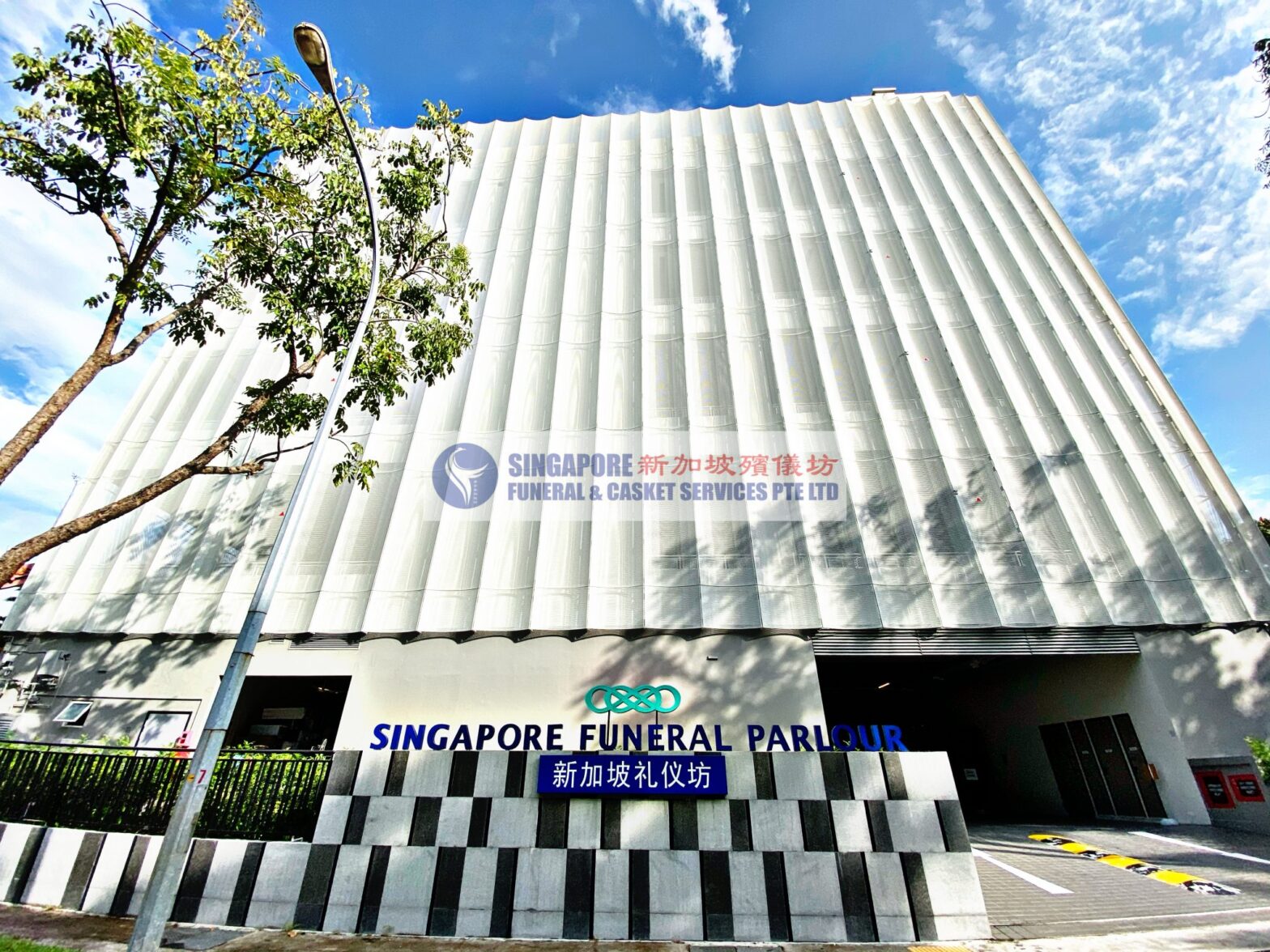
Funeral parlours in Singapore play a crucial role in providing support and services during difficult times. Each parlour offers various amenities to cater to the cultural, religious, and personal needs of grieving families. This article provides a detailed overview of the top funeral parlours in Singapore, focusing on their services, amenities, and opening hours.
1. Tampines Funeral Parlour
Address: 123 Tampines Street 11, Singapore 529456 Opening Hours: 24 hours, 7 days a week Contact: +65 6789 1234 Website: www.tampinesfuneralparlour.sg
Services:
Tampines Funeral Parlour is known for its wide range of services and attention to detail, making it a top choice for families in Singapore.
Buddhist, Taoist, and Christian Funerals: They provide expert assistance in planning and conducting various religious services.
Cremation and Burial Arrangements: The team handles all logistics, from paperwork to coordinating with crematoriums and burial grounds.
Embalming and Repatriation: Full embalming services are available, along with repatriation services for families who need to transport the deceased to another country.
Floral Arrangements: Tailored floral displays, from simple to elaborate, are provided for wakes and funerals.
Casket Customisation: Families can choose from an array of caskets that suit their preferences and budget.
Memories Café: A comfortable café area for family members and guests to relax and share memories, offering a more informal and comforting atmosphere during the wake.
Amenities:
Tampines Funeral Parlour is well-equipped with modern and convenient amenities designed to provide comfort and dignity for families and guests.
Outdoor Seatings and Indoor Seatings: The parlour offers both outdoor and indoor seating areas, allowing guests to relax in their preferred setting.
86″ Smart TV: Available for playing memorial videos or slideshows during the wake.
Lift and Car Lifts: The facility is fully accessible, with lifts for easy movement, and car lifts to provide smooth access for hearse services.
Safe Box: A secure place for storing valuable belongings during the funeral services.
Rest Room Sofa: Comfortable resting areas for family members, ensuring they can relax during long wakes.
Showering Facility: Convenient facilities for family members staying at the parlour to freshen up.
Alfresco Roof: An outdoor roofed area for conducting parts of the ceremony in an open-air setting.
Parlour Room Entrance: Spacious, welcoming entrances that ensure a dignified entry for guests attending the wake.
Digital Signage Display: High-tech digital signage displays that allow families to share messages or tributes with visitors.
Public Toilets: Clean and well-maintained public toilets available for guests.
Handicapped Carpark: Designated parking spaces for handicapped guests, ensuring accessibility for everyone.
Large Fan Outdoor: Outdoor seating areas are equipped with large fans to keep guests comfortable.
Landscape Garden: A serene landscape garden adds a touch of tranquillity to the funeral parlour, providing a peaceful environment for reflection.
Joss Paper Burning Facility: A designated area for joss paper burning, a crucial aspect of many religious funeral rites.
Tampines Funeral Parlour’s extensive list of amenities ensures that families and guests have all the necessary comforts and conveniences during such a sensitive time. Their well-thought-out facilities, including the Memories Café, provide both a practical and emotionally supportive environment for the bereaved.
2. Sin Ming Funeral Parlour
Address: 38 Sin Ming Drive, Singapore 575717 Opening Hours: 24 hours, 7 days a week Contact: +65 6455 1111 Website: ww.sinmingfuneral.com.sg
Services:
Sin Ming Funeral Parlour is a well-established funeral home offering various services, including:
Multi-religious Funerals: Expertise in Buddhist, Taoist, Christian, and Free-thinker funeral services.
Funeral Processions: They organise and facilitate traditional funeral processions, ensuring smooth coordination.
Cremation and Burial Services: Assistance with all arrangements for cremations and burials, from paperwork to coordination with the authorities.
Funeral Planning: Professional planning services are available to help families manage the logistics and decisions required during the grieving process.
Amenities:
Air-conditioned Parlour Rooms: Sin Ming Funeral Parlour offers air-conditioned parlour rooms, ensuring a comfortable environment for wakes.
Wi-Fi Access: Free Wi-Fi is provided, allowing family members to stay connected.
Rest Areas: Dedicated rest areas for families to take a break during long wake hours.
In-house Florist: Professional floral arrangement services for funerals.
On-site Parking: Ample parking for visitors, including spaces for handicapped guests.
Ang Chin Moh Funeral Directors offers compassionate and respectful services, specialising in Buddhist and Taoist funerals:
Eco-friendly Funerals: Green funerals are offered, including biodegradable caskets and environmentally friendly cremation options.
Funeral Planning and Coordination: Full coordination services to ensure smooth and dignified funerals.
Bereavement Support: They provide grief counselling and support for families after the funeral.
Amenities:
Air-conditioned Parlour Rooms: Comfortably designed parlour rooms for wakes.
Transportation Services: Hearse and family car services are available for funeral processions.
Prayer Rooms: Special areas for religious rites and ceremonies.
Handicapped Facilities: The parlour is equipped with wheelchair-accessible amenities and parking.
Conclusion
Choosing the right funeral parlour is an important part of ensuring a respectful and meaningful farewell. Tampines Funeral Parlour stands out for its comprehensive range of services and modern amenities, making it a top choice in Singapore. The inclusion of unique features like the Memories Café, Alfresco Roof, and Joss Paper Burning Facility provides families with both practical and spiritual support during their time of grief.