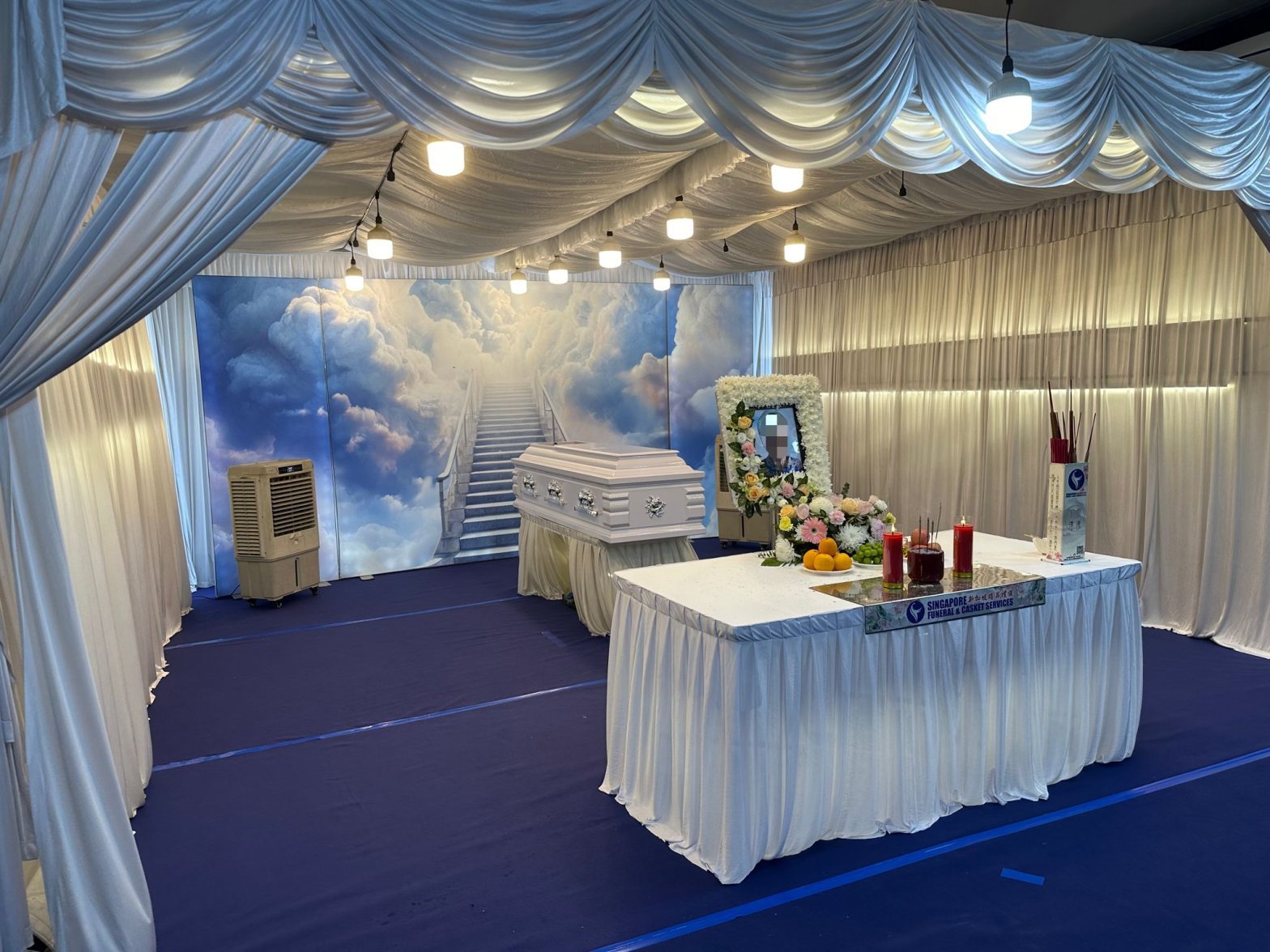
Chinese Funerals in Singapore: Buddhist, Taoist, and Christian

Chinese funerals in Singapore are an intricate blend of ancient customs, religious beliefs, and cultural values, reflecting the diversity and heritage of the Chinese diaspora. The majority of the Chinese population in Singapore practices a combination of Taoist and Buddhist customs, with a significant minority adhering to Christian beliefs. Understanding the different aspects of Chinese funerals in Singapore is crucial for respecting traditions and showing proper respect during these solemn occasions. This article provides an in-depth look at the funeral customs followed by Buddhists, Taoists, and Christians of Chinese descent in Singapore.

1. Overview of Chinese Funerals in Singapore

In Singapore, Chinese funeral traditions are deeply rooted in Confucianism, which emphasizes filial piety and respect for ancestors. Despite the differences in religious beliefs—be it Buddhist, Taoist, or Christian—the overarching theme in Chinese funerals is to ensure the deceased’s peaceful journey to the afterlife and to provide comfort to the surviving family members.

In general, Chinese funerals are complex events that may last from a few days to a week or more, depending on the family’s preferences and religious affiliations. The funeral ceremony typically involves several stages, including the wake, burial or cremation, and post-funeral rituals. Many Singaporeans also consult geomancers or feng shui experts to determine the best timing and location for the wake and burial, as it is believed to impact the family’s future prosperity.

2. Buddhist Funerals in Singapore
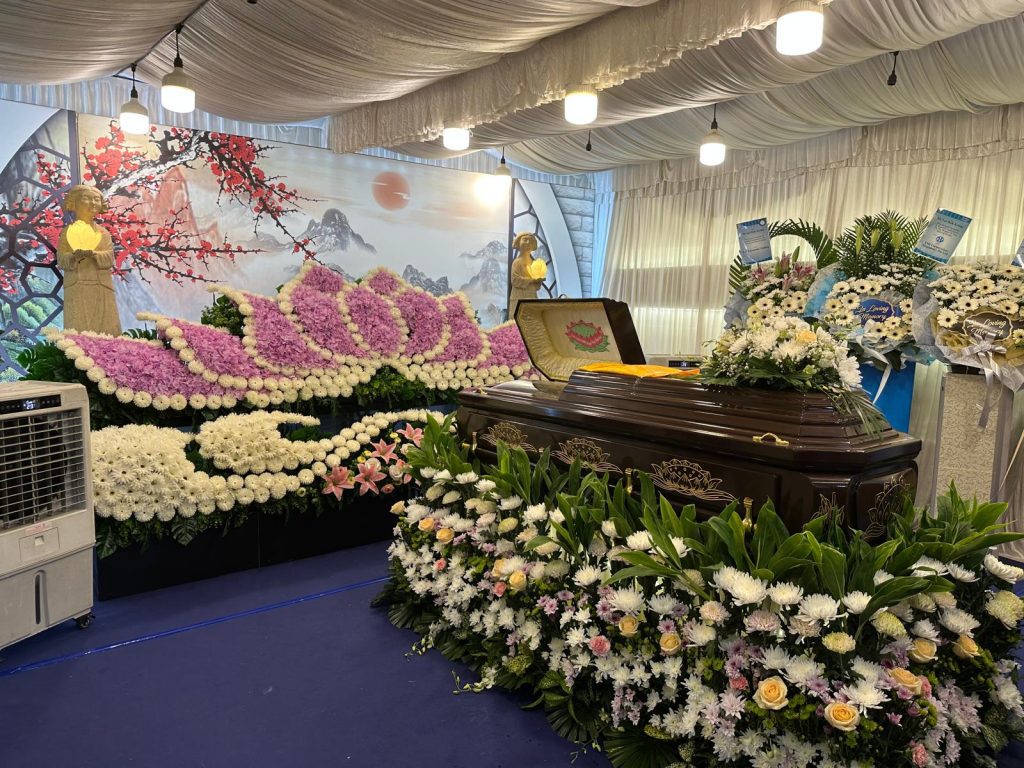
buddhist funeral services

Buddhism is one of the predominant religions practiced by the Chinese community in Singapore. In Buddhist funerals, the focus is on the belief in reincarnation and the ultimate goal of achieving Nirvana. The funeral is a means of facilitating the deceased’s passage to a better rebirth or spiritual liberation.

Key Elements of a Buddhist Funeral:

  • Chanting and Prayers: Buddhist monks are often invited to chant sutras (Buddhist scriptures) during the wake and funeral ceremony. The chanting is meant to guide the deceased’s soul towards a better rebirth.
  • Offering to Monks and Deities: Offerings of food, incense, and paper items (such as paper money or symbolic goods) are made to deities and monks. These offerings are meant to accumulate merit for the deceased, which will help them in their next life.
  • Merit-making: Family members may engage in merit-making activities such as donations to temples or charities in the name of the deceased. These acts of kindness are believed to accrue good karma, which benefits both the deceased and the living family members.
  • The Wake: The wake typically lasts for three to seven days, depending on the family’s wishes. During this period, family members and friends visit to pay their respects. Visitors usually bow three times in front of the coffin as a sign of respect.
  • Cremation vs Burial: While cremation is common in Buddhist funerals due to its symbolic representation of the body returning to the elements, burial is also an option. In either case, the funeral culminates in a final prayer or chanting session before the body is sent for cremation or burial.
  • Post-Funeral Rituals: After the funeral, families often hold ceremonies on the 7th, 49th, and 100th days after death. These rituals are meant to ensure the deceased’s smooth transition into their next life.

Contact Us for Funeral Assistance and Guidance

If you’re looking for guidance or assistance with funeral arrangements, our team is here to help. We understand the importance of honoring your loved ones according to your family’s traditions, whether they be Buddhist, Taoist, or Christian. For more information or personalized support, feel free to reach out to us via WhatsApp by clicking here.

3. Taoist Funerals in Singapore
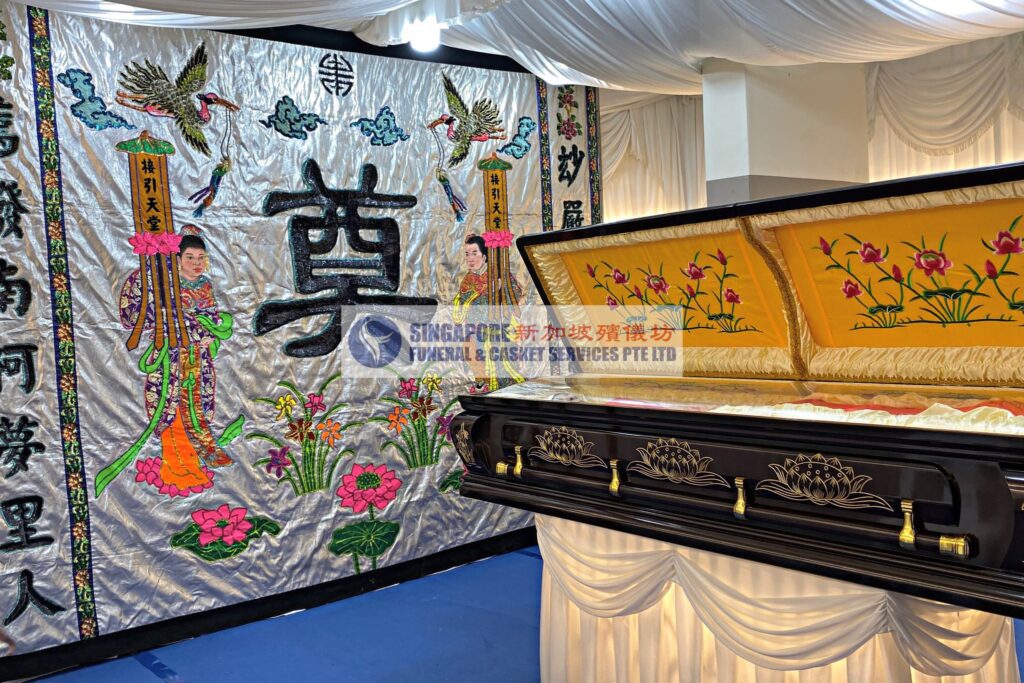
Taoist funerals are rich in symbolism and rituals that aim to guide the soul through the various realms of the afterlife. Taoism emphasizes harmony with the natural world, and funeral rituals reflect a deep concern for balancing the cosmic forces to ensure the deceased’s peaceful journey to the spirit world.

Key Elements of a Taoist Funeral:

  • Priests and Rituals: Taoist priests (daoshi) play a central role in conducting the funeral rites. The priests perform elaborate rituals and chants to ward off evil spirits and to guide the deceased through the afterlife. They also read from Taoist scriptures to invoke protection and blessings for both the deceased and the family.
  • Paper Offerings: One of the distinctive features of Taoist funerals is the burning of paper offerings. These can include paper houses, cars, and money, which are meant to provide the deceased with comfort and luxury in the afterlife.
  • Feng Shui Considerations: Taoist funerals are often planned in consultation with feng shui experts, who help the family choose auspicious dates for the funeral and burial. The positioning of the coffin, the direction it faces, and the burial site are all determined based on feng shui principles to ensure harmony between the living and the deceased.
  • Funeral Procession: A traditional Taoist funeral may include a procession where family members carry the coffin to the burial site, accompanied by Taoist priests chanting prayers. The procession is sometimes led by a band playing solemn music, which symbolizes the departure of the deceased from this world.
  • Post-Burial Rituals: Like in Buddhist funerals, Taoist families hold rituals on specific days following the burial, most notably on the 7th, 49th, and 100th days. These rituals serve to ensure the deceased’s smooth journey to the afterlife and to seek blessings for the living.

4. Christian Funerals in Singapore
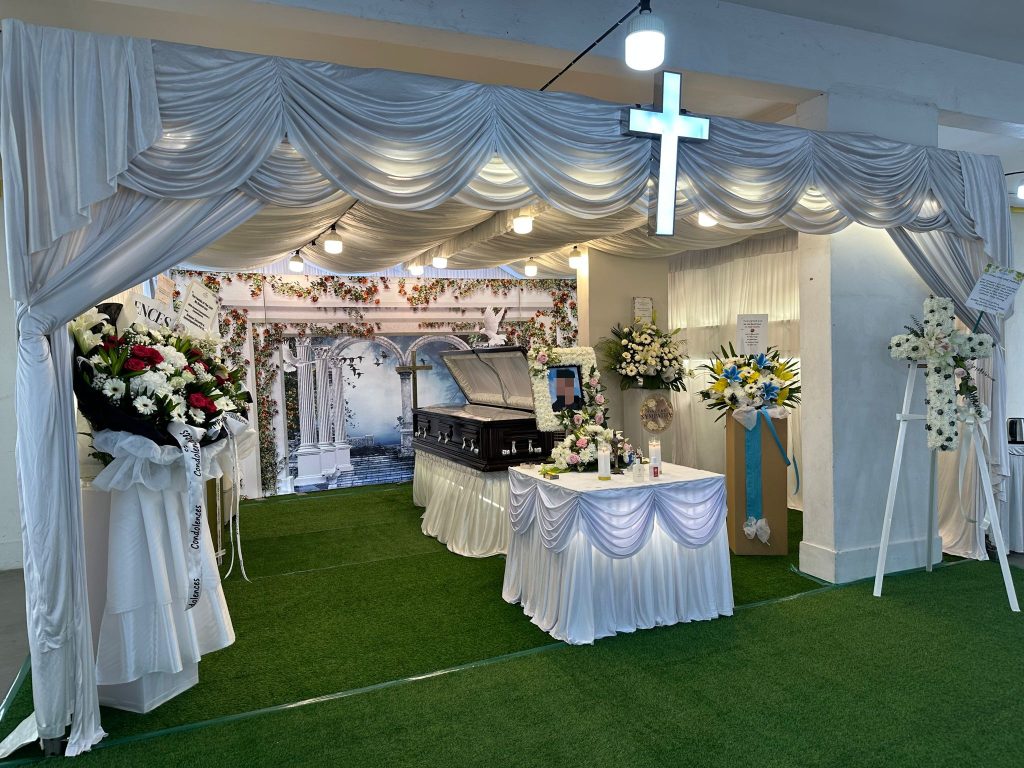
Christian funeral service

Christianity has a notable presence in the Chinese community in Singapore, especially among those who have converted to the faith. Christian funerals for the Chinese are generally simpler compared to Buddhist and Taoist ceremonies, but they maintain a strong focus on hope, eternal life, and the belief in resurrection.

Key Elements of a Christian Funeral:

  • Church Service: Christian funerals often begin with a church service, where prayers, hymns, and Bible readings are conducted. The service emphasizes faith in Christ’s resurrection and the promise of eternal life for the deceased.
  • Eulogies and Tributes: Family members or close friends may deliver eulogies to honor the life of the deceased. These personal tributes reflect on the individual’s faith, achievements, and relationships.
  • Burial or Cremation: Both burial and cremation are accepted practices in Christian funerals. After the church service, the body is either taken to the cemetery for burial or to the crematorium for cremation. At the gravesite or crematorium, the pastor will usually say a final prayer, committing the deceased’s soul to God.
  • Simplicity and Modesty: Christian funerals emphasize modesty, and unlike Taoist or Buddhist funerals, there are no elaborate rituals or offerings to the dead. The focus is instead on prayers for the deceased and comfort for the grieving family.
  • Memorial Services: It is also common for Christian families to hold a memorial service at a later date, typically 40 days or a year after the funeral, to remember and honor the deceased.

5. Common Funeral Etiquette in Singapore

Regardless of the specific religious tradition, there are some common etiquettes observed during Chinese funerals in Singapore:

  • Attire: Black or dark-colored clothing is typically worn to symbolize mourning. For Buddhist and Taoist funerals, white is also an acceptable color, as it represents purity and mourning in Chinese culture.
  • Condolence Money: It is customary to give condolence money (白金, bái jīn) to the family of the deceased. This is usually placed in a white envelope, and the amount given is meant to help the family cover the funeral expenses.
  • Flowers: Flowers, particularly white chrysanthemums, are commonly sent to the funeral wake as a sign of respect and sympathy.
  • Respectful Behavior: It is important to behave solemnly and respectfully at a funeral. Loud laughter, casual chatter, or inappropriate behavior is considered disrespectful to both the deceased and the grieving family.

Conclusion

Chinese funerals in Singapore are a reflection of the country’s rich cultural diversity and the deep respect that the Chinese community holds for their ancestors. Whether it is through Buddhist, Taoist, or Christian practices, these funerals are deeply spiritual events that seek to honor the deceased and provide comfort to the living. Understanding the intricacies of each religious tradition is essential for anyone attending or organizing a Chinese funeral in Singapore.

Contact Us for Funeral Services


If you require assistance or advice with funeral arrangements, our team is here to support you. We understand the importance of honouring your loved ones in accordance with your family’s traditions, whether they are Buddhist, Taoist, or Christian. For more information or personalized support, feel free to reach out to us via WhatsApp by clicking here.

Frequently Asked Questions

What is the pricing of buddhist, taoist and christian funeral packages?

Below is an overview of the typical price ranges for funeral packages in Singapore based on the three primary religious traditions.

1. Buddhist Funeral Packages

Buddhist funeral packages usually involve services such as chanting by monks, the provision of funeral halls, cremation or burial, and memorial services.

  • Basic Packages: SGD 6,000 – SGD 10,000
    • This typically covers essentials such as embalming, a basic casket, transportation of the body, paper offerings, simple decorations, and monk chanting.
  • Standard Packages: SGD 10,000 – SGD 15,000
    • Includes enhanced services such as additional chanting sessions, an upgraded casket, and decorations. Some packages may include additional religious items such as statues and elaborate paper offerings (e.g., paper houses and money).
  • Premium Packages: SGD 15,000 – SGD 30,000+
    • This can include customized religious services, grander decor, luxury caskets, private venues, or extensive offerings to the deceased (e.g., large paper mansions, more elaborate chants, multiple monks, and higher-end memorial services).

2. Taoist Funeral Packages

Taoist funerals often involve more elaborate rituals, including geomancy (feng shui) considerations, Taoist priest-led rites, and extensive paper offerings for the deceased in the afterlife.

  • Basic Packages: SGD 5,000 – SGD 10,000
    • Includes basic funeral arrangements like embalming, a standard casket, transportation, and simple rites performed by Taoist priests. Basic paper offerings are often included (e.g., paper money).
  • Standard Packages: SGD 10,000 – SGD 18,000
    • In addition to the basics, this includes additional Taoist rituals, more elaborate rites with multiple priests, a higher-end casket, and larger paper offerings such as paper houses and cars.
  • Premium Packages: SGD 18,000 – SGD 40,000+
    • Offers luxury services, such as advanced feng shui consultation, elaborate paper offerings (mansions, servants, and luxury items for the deceased), custom-decorated venues, and multiple-day rituals. Private funeral homes and high-end transportation may also be included.

3. Christian Funeral Packages

Christian funeral services are usually simpler, focusing on religious services, prayers, and hymns, without the need for elaborate rituals. However, prices vary based on customization and venue preferences.

  • Basic Packages: SGD 4,000 – SGD 7,000
    • This typically covers essential services such as a simple casket, embalming, transportation, and church service. Basic funeral decorations and religious materials such as the cross and hymn books are included.
  • Standard Packages: SGD 7,000 – SGD 12,000
    • Includes more elaborate services such as upgraded caskets, enhanced church or memorial hall services, floral arrangements, and professional eulogy services.
  • Premium Packages: SGD 12,000 – SGD 25,000+
    • These packages may involve luxury caskets, private memorial venues, limousine services, and high-end floral decorations. They may also include larger venues, catering services, and more personalized tributes or multimedia presentations.

4. Common Add-Ons and Extra Services

Regardless of the religious tradition, many funeral homes in Singapore offer additional services that can increase the overall cost:

  • Feng Shui and Geomancy Consultation: SGD 1,000 – SGD 5,000
  • Customized Casket or Urn: SGD 1,000 – SGD 10,000
  • Floral Arrangements: SGD 500 – SGD 3,000
  • Memorial Services (Post-Funeral): SGD 2,000 – SGD 6,000
  • Catering for Guests: SGD 1,500 – SGD 5,000
  • Transportation and Hearse Upgrades: SGD 500 – SGD 2,000

5. Factors That Affect Funeral Costs

  • Duration of the Wake: Typically, a longer wake results in higher costs due to the extended use of the funeral hall, the presence of religious personnel, and catering services.
  • Burial vs. Cremation: Cremation is generally less expensive, with cremation packages being more affordable than burial plots, especially in land-scarce Singapore. Burial plots can cost significantly more depending on the cemetery and plot location.
  • Location and Venue: Holding the funeral at private venues or prestigious memorial halls can greatly increase the cost compared to community-based funeral halls or church services.
  • Religious Complexity: More intricate religious rituals, such as multi-day chanting sessions or larger offerings, will raise the price, especially in Taoist funerals where the number of rites and offerings can be extensive.

6. Cultural and Legal Considerations

In Singapore, it’s essential to understand legal regulations regarding burials and cremation. The government regulates cemetery space and funeral home operations, and most cemeteries have limited capacity, making cremation the preferred option for many families. Additionally, religious considerations, such as geomancy and feng shui, may influence costs due to consultations with experts.
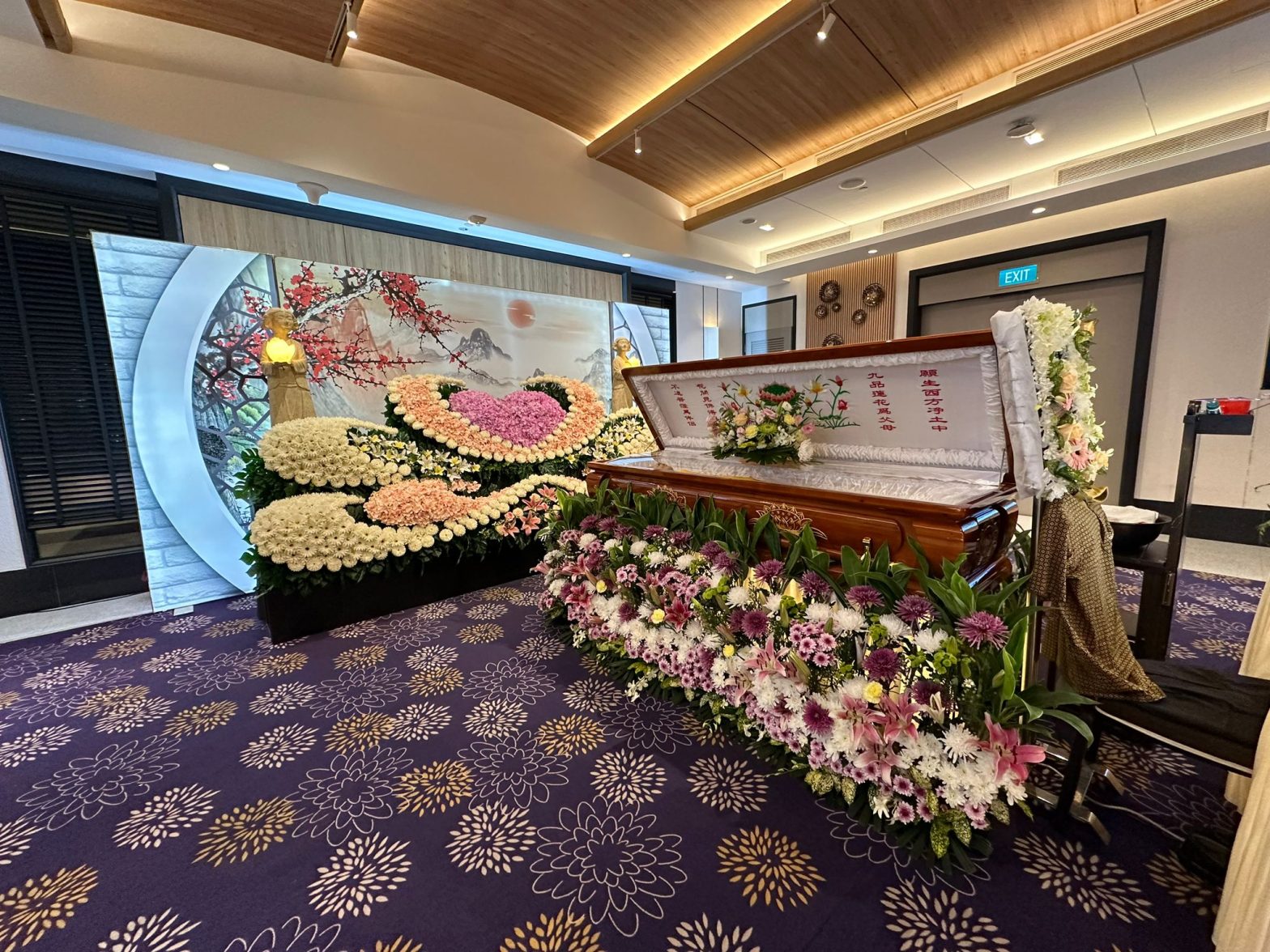
Can my family and I choose not to hold a funeral wake, before the cremation or burial?

In Singapore, families have the right to decide whether or not to hold a funeral wake before the cremation or burial of their loved one. While traditional customs often include a wake as part of the funeral process, it is not a legal requirement. Many factors, including personal preferences, religious beliefs, and cultural customs, influence the decision to hold or forgo a wake.

Cultural and Religious Traditions

In Singapore, the cultural and religious diversity allows for a wide range of funeral practices. Different ethnic and religious communities, such as the Chinese, Malay, and Indian populations, may have their unique customs. For instance, in Chinese culture, it is common to hold a wake for several days, allowing family and friends to pay their respects. Meanwhile, in the Muslim and Hindu communities, the practice may differ, with more emphasis on the burial process rather than an extended wake.

However, regardless of tradition, families have the autonomy to decide whether they wish to adhere strictly to these customs. Modern practices have become more flexible, and some families opt for private ceremonies or a simple direct burial or cremation without a formal wake. This decision may be influenced by logistical factors, personal beliefs, or the preference for a more intimate farewell.

Legal Requirements in Singapore

Singapore’s legal framework for handling deceased persons is managed under the Environmental Public Health (Cemeteries) Regulations, which outline procedures for cremation and burial. However, there is no law mandating that a funeral wake must be held before cremation or burial. The main legal requirements focus on obtaining the necessary permits for burial or cremation, registration of the death, and ensuring that the cremation or burial is conducted in compliance with public health regulations.

For example, after registering the death at the relevant authorities (typically at a hospital or the Immigration and Checkpoints Authority if the death occurred outside of a medical facility), the family must apply for a burial or cremation permit. The choice of whether to conduct a wake is entirely up to the family and is not regulated by law. The focus is more on the correct handling of the body, timely burial or cremation, and adherence to proper public health standards.

Personal and Logistical Considerations

Many families may choose to forgo a wake for practical reasons. The logistics of organizing a wake, especially in Singapore’s urban environment, can sometimes be complicated. Wakes are typically held in funeral parlors or HDB void decks, and obtaining the necessary permits to use public spaces can be an added burden for grieving families. Additionally, rental costs for funeral parlors or the arrangement of a space in a void deck can be substantial, leading some families to opt for a simpler, more cost-effective process of direct cremation or burial.

Furthermore, time constraints may also be a consideration. Some families prefer a quicker and more private send-off, avoiding the emotional strain of a prolonged wake. Others may find solace in the intimacy of a private ceremony with immediate family members, foregoing a wake that could involve a larger group of acquaintances and extended relatives.

In recent times, particularly with the impact of the COVID-19 pandemic, the holding of large gatherings, including funeral wakes, has been limited. Restrictions on crowd sizes and safety measures have influenced many families’ decisions to scale back on traditional practices and opt for smaller, more personal services.

Psychological and Emotional Considerations

While some families find comfort in holding a wake, which provides an opportunity for friends and relatives to gather, offer condolences, and share memories of the deceased, others may find the process overwhelming. Grieving is an intensely personal experience, and the need for privacy, coupled with the emotional burden of organizing a large event, might make the option of forgoing a wake more appealing.

In some cases, the deceased’s personal wishes may play a role in the decision-making process. If the deceased had expressed a desire for a simple or quiet farewell, the family might honor this by skipping a wake altogether.

On the other hand, a wake can also serve as a crucial part of the grieving process for some, offering a structured way for people to come together and remember their loved ones. The support of community and extended family can be an essential part of coping with the loss. This is especially true in cultures where communal grieving is a key part of the mourning ritual.

Modern Trends and Alternatives

In contemporary Singapore, there has been a shift towards more personalized and non-traditional funeral arrangements. This trend has been driven by a combination of factors, including rising costs, changing societal norms, and the influence of Western practices. As a result, some families are choosing more minimalistic or eco-friendly options, such as direct cremation without a wake or even holding memorial services after the cremation or burial has taken place.

For those who wish to honor their loved ones without a traditional wake, alternative options include holding a memorial service at a later date, scattering the ashes in a meaningful location, or even organizing a small, private ceremony at home or in a religious setting. These alternatives can offer the same sense of closure without the formalities of a wake, allowing families to commemorate the deceased in a way that aligns with their personal values and circumstances.

Another modern alternative that has gained popularity is live-streaming the funeral or memorial service, allowing those who are unable to attend in person to participate remotely. This was particularly significant during the COVID-19 pandemic when travel restrictions and safety concerns prevented large gatherings. Such practices have continued post-pandemic, offering a way to include distant relatives and friends in the grieving process.

Conclusion

In Singapore, the choice to hold or skip a funeral wake before cremation or burial is entirely a personal one, shaped by a mix of cultural, religious, legal, and logistical factors. While traditional customs may encourage the holding of a wake, modern practices have become more flexible, allowing families to decide what best suits their emotional needs, financial capabilities, and personal preferences. Families are not legally obligated to hold a wake, and alternatives, such as direct cremation or private memorials, offer viable options for those who wish for a simpler farewell.

By considering the deceased’s wishes, the family’s emotional and logistical capacities, and the unique cultural context of Singapore, families can make informed decisions that provide a meaningful and respectful send-off for their loved ones.

Difference between Burial, Funeral and Cremation

When discussing burial, funeral, and cremation, it is essential to understand that these terms, while interconnected, refer to different aspects of the final disposition of a deceased person.

Funeral

A funeral is a formal ceremony held to honor and remember the deceased. It provides closure and allows family and friends to gather, mourn, and celebrate the life of the individual. Funerals often follow cultural, religious, or personal traditions and may include various elements such as readings, prayers, eulogies, and music. In Western cultures, funerals typically take place in places of worship, funeral homes, or outdoor settings, depending on the preferences of the family or the deceased.

The funeral service is designed to bring a sense of comfort and support to the bereaved. It may include a viewing of the body, especially if a burial follows, giving loved ones a chance to say their final goodbyes in person. The nature of the service can be highly structured, with religious officiants presiding over ceremonies, or more informal, depending on individual preferences. Funerals are common in nearly every culture and have been practiced for millennia as a way to honor the dead.

Burial

Burial refers to placing the deceased’s body in the ground, usually in a cemetery or a designated burial plot. The body is typically enclosed in a coffin, which is then lowered into a grave. This method is one of the oldest and most widely practiced forms of final disposition, with traditions varying widely across cultures and religions.

The process of burial usually accompanies a funeral service, with mourners attending a graveside ceremony where prayers or words are spoken before the body is interred. Burials offer a physical space for loved ones to visit and honor the deceased. Burial plots can often be marked with headstones or memorials, providing a lasting tribute to the individual.

Burial costs tend to be higher than cremation, with factors such as casket selection, embalming, cemetery plot purchase, and memorial expenses contributing to the overall price. In many cultures, burials are considered a respectful way to preserve the body, and this sentiment drives the preference for this method. However, the environmental impact of burial is a growing concern for some, as embalming chemicals, land use, and metal or hardwood caskets contribute to pollution.

Cremation

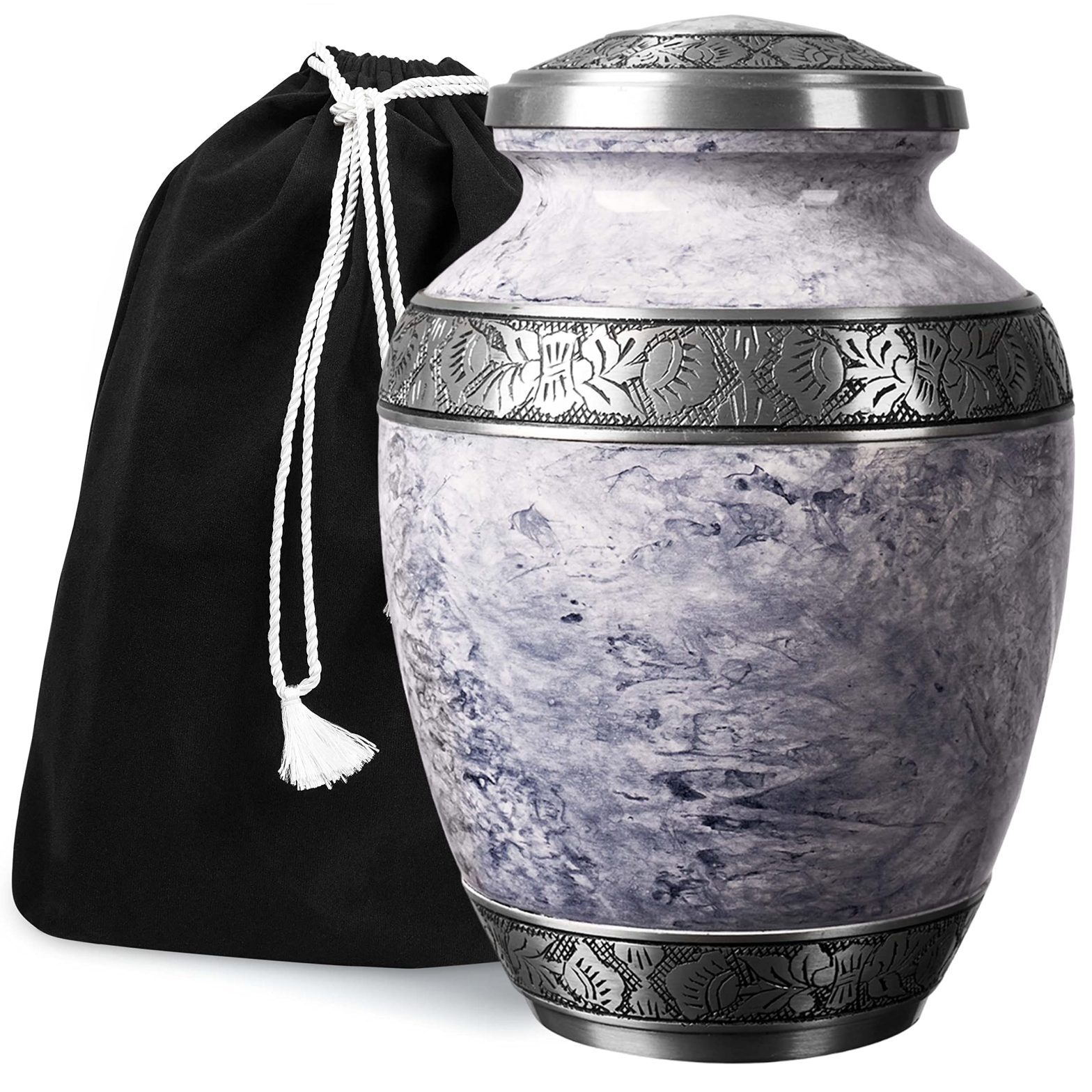
Cremation is a process in which the body is reduced to ashes using intense heat in a crematorium. The process generally takes two to three hours, after which the ashes, also known as cremains, are collected and either returned to the family or stored in an urn. Cremation provides a range of options for the final resting place of the deceased’s remains. The ashes can be scattered in meaningful locations, buried in a smaller plot, placed in a columbarium, or kept by loved ones.

Cremation is often perceived as a more flexible and cost-effective option compared to burial. Direct cremation, which occurs without a formal funeral or viewing, is typically the least expensive option, as it avoids the costs associated with embalming, a casket, and a burial plot. Families often opt for memorial services to be held at a later time, allowing more freedom in planning compared to the stricter time constraints of burials.

Religiously, cremation has varying acceptance. While many Protestant denominations and other religions have come to accept cremation, traditions such as Judaism and Islam generally prefer burial. Some faiths, such as Hinduism and Buddhism, actively encourage cremation, as it aligns with their spiritual beliefs about the afterlife.

Key Differences

  1. Timing: Funerals connected to burials must occur soon after death, typically within a few days or a week. Cremation offers more flexibility; memorial services can be scheduled at any time after the cremation.
  2. Disposition Options: Burial results in the body being interred in a grave or vault. Cremation provides multiple options, including scattering the ashes, keeping them in an urn, or burying them in a smaller plot.
  3. Cost: Cremation is generally more affordable than burial, particularly if the cremation is performed without additional services such as a viewing or a funeral. Burials require more products and services, including a casket, embalming, and a cemetery plot, which increases the overall expense.
  4. Environmental Impact: Burial involves the use of land, embalming chemicals, and non-biodegradable materials, which can harm the environment. Cremation, while often considered more environmentally friendly, does release greenhouse gases. Alternatives like green burials, which avoid embalming and use biodegradable materials, are growing in popularity for those looking for eco-friendly options.
  5. Religious and Cultural Considerations: Religion often plays a significant role in determining whether cremation or burial is chosen. In some religions, cremation is prohibited, while others encourage it. Cultural traditions also heavily influence these decisions, as some cultures see burial as a way to preserve and respect the body, while others see cremation as a way to release the soul from the body.

Conclusion

The decision between burial, cremation, and the type of funeral ceremony depends on personal, cultural, financial, and religious factors. Burials offer a traditional, tangible way for families to remember the deceased, while cremation provides flexibility and is often seen as a more modern and practical approach. Each method has its advantages, and ultimately, the choice will be influenced by the preferences and beliefs of the deceased and their family.

How to Take Care and Maintain Memorial Urns

Memorial urns and keepsakes serve as lasting tributes to loved ones. Proper handling, cleaning, and storage are essential to preserving their beauty. Here’s a guide on how to care for different types of urns and keepsakes, with technical information included for optimal preservation.


Understand the Material

Urns are made from various materials such as ceramic, metal, wood, glass, and marble. Knowing the material is the first step, as it dictates the correct cleaning and maintenance process.


Ceramic Urns Care

Ceramic urns are highly fragile, so it’s crucial to keep them on a sturdy surface, away from high-traffic areas or pets to prevent accidental tipping. For cleaning, use a soft, dry cloth to remove dust. Avoid using water or harsh chemicals, as they may damage the finish. If needed, a gentle dusting is usually sufficient for maintenance​

  1. Storage: Place ceramic urns on a sturdy, low-traffic surface to avoid accidental knocks.
  2. Cleaning: Use a soft, dry cloth to dust off and wipe the surface gently. Avoid water or harsh chemicals, as these can damage the ceramic glaze.
  3. Handling: Ensure the urn is completely dry before displaying it again to prevent moisture from seeping into the material. Handle with both hands to avoid dropping or tipping.

Metal Urns Care

Metal urns, including those made from brass, bronze, or stainless steel, should be kept away from direct sunlight to prevent warping over time. Humidity can cause metal urns to rust, so avoid using damp cloths for cleaning. Instead, gently wipe them with a dry cotton cloth. For added protection, you can occasionally polish the urn with a metal-specific polish​

  1. Location: Keep metal urns away from direct sunlight and humidity to prevent warping or rusting.
  2. Cleaning: Use a soft, dry cloth to remove dust. Apply metal polish for brass or stainless steel if needed, avoiding water exposure. Always avoid harsh chemicals or abrasive pads, as they can scratch the metal surface.
  3. Protection: To prevent oxidation, use a protective wax coating once every six months.

Wooden Urns Care

Wooden urns can dry out or crack if exposed to direct sunlight or extreme temperatures. To preserve the wood’s natural beauty, store the urn in a shaded area. Every few months, you can polish the wood with a high-quality, non-abrasive polish. Avoid water and harsh cleaning chemicals, as they can cause the wood to break down over time​

  1. Sunlight: Store wooden urns in a shaded area to prevent fading or drying from UV exposure.
  2. Cleaning: Gently dust with a microfibre cloth to prevent build-up. Apply a wood polish or furniture polish every 3-4 months to maintain shine.
  3. Moisture: Avoid water or cleaning chemicals, which can warp or degrade the wood.

Glass and Marble Urns Care

Glass and marble urns should also be stored in safe, low-traffic areas to avoid accidents. These materials are easy to maintain—simply clean them with a gentle, non-abrasive cleaner, such as a glass cleaner for glass urns, or a damp cloth for marble. Be sure to dry thoroughly after cleaning to avoid water spots​

  1. Safe Placement: Store on padded, stable surfaces to prevent accidental falls or breaks.
  2. Cleaning: Use pH-neutral glass cleaner for glass urns, and a damp cloth for marble urns. Always dry completely after cleaning to avoid water spots. Avoid acidic cleaners like vinegar or lemon juice, as they can etch the marble’s surface. Polish occasionally with a marble-specific polish to maintain its shine.
  3. Handling: Always handle with care, as both materials can crack easily.

Keepsake Urns Care

Keepsake urns are often smaller and can be made from a variety of materials. They are typically designed for display and hold a small amount of ashes, making them symbolic mementos. Similar care practices as larger urns apply, depending on the material. Many families choose to incorporate keepsake urns into larger memorials, such as a memorial bench or garden​.

  1. Storage: Keep these small urns in a display case or stable location to avoid tipping.
  2. Cleaning: Follow cleaning protocols based on material—ceramic, metal, or glass.
  3. Handling: Handle with extra care due to the small size, which makes them more fragile.

Memorial Jewelry Care

Cremation jewelry, such as necklaces or rings designed to hold a small portion of ashes, requires delicate care. Store jewelry in a safe place when not in use and clean it regularly with a soft cloth to maintain its shine. Since many pieces are made of metals like silver or gold, occasional polishing can help prevent tarnishing​.

  1. Cleaning: Clean jewelry with a soft polishing cloth, avoiding abrasive cleaners on delicate metals like gold and silver.
  2. Storage: Store in a dry place when not being worn, ideally in a padded jewelry box to prevent scratches or tarnishing.
  3. Maintenance: Periodically check the jewelry’s clasps or fasteners to ensure they remain secure.

Preservation on Memorial Urns

Proper preservation of memorial urns involves controlling environmental factors that can degrade materials over time. This section discusses critical scientific principles, such as UV exposure, temperature sensitivity, humidity control, and material-specific maintenance, which contribute to the longevity of urns.

UV Protection

UV radiation is a form of electromagnetic radiation with wavelengths shorter than visible light. Prolonged exposure to UV light can initiate photodegradation in organic materials, such as wood, leading to structural breakdown at the molecular level. Wooden urns, in particular, are susceptible to lignin degradation, which causes fading and weakening of the material.

Solution: Applying UV-resistant coatings containing UV-absorbing agents like benzotriazoles or hindered amine light stabilizers (HALS) can mitigate this effect. Studies indicate that UV-resistant coatings can reduce fading by over 80% within a 10-year period under continuous sunlight exposure.

Data: Wooden urns exposed to UV light can lose up to 50% of their surface pigmentation within a decade without protection.

Temperature Control

Thermal expansion and contraction can cause stress in various materials used in urns, such as metal, glass, and wood. Metal is especially prone to thermal deformation due to its high thermal conductivity and coefficient of expansion. When temperatures exceed 40°C (104°F), metals like aluminium and bronze may undergo creep deformation, leading to permanent warping.

Glass urns, on the other hand, are vulnerable to thermal shock, where sudden temperature changes (greater than 5°C per minute) cause internal stresses, leading to cracks or fractures. Annealed glass tends to fail between 90-100°C (194-212°F).

Solution: Maintain urns in climate-controlled environments, ideally between 18-24°C (64-75°F), with minimal fluctuations in temperature.

Humidity Management

Relative humidity (RH) plays a significant role in the preservation of urn materials. Wood and metal are particularly sensitive to changes in ambient moisture levels. When RH exceeds 70%, wood may absorb excess moisture, leading to dimensional instability, such as swelling, warping, and fungal growth (e.g., Aspergillus). For metals, high humidity accelerates oxidation and electrochemical corrosion, particularly in iron-based alloys and copper.

Solution: Use dehumidifiers or humidity control systems to maintain an RH level of 40-60%. This range is optimal for preventing moisture-related deterioration in both wood and metal urns.

Data: Prolonged exposure to RH above 70% can cause corrosion rates in metals to increase by up to 5-fold, while wood may begin to warp within weeks under excessive moisture.

Polishing Frequency

Polishing is essential for maintaining the aesthetic and structural integrity of urns made from wood and metal. Polishing removes surface oxidation, contaminants, and micro-abrasions, which can accelerate material degradation. Wood requires polishing with wax-based products, while metal needs metal-specific polishes containing corrosion inhibitors like silicon-based compounds or zinc stearate.

Polish wooden urns every 3 months to prevent surface drying and cracking. Use waxes that penetrate the wood grain, providing both moisture and UV protection.

Polish metal urns every 6 months to remove tarnish and oxidation. Regular polishing can reduce corrosion by up to 40%, according to studies on long-term metal preservation.

By following these technical guidelines, the integrity and appearance of memorial urns can be preserved for decades, ensuring that they remain a lasting tribute to loved ones.


Regular Maintenance Schedule

To ensure the longevity and preservation of memorial urns, a structured maintenance schedule is essential. Below is a recommended routine based on scientific principles of material degradation, environmental control, and care frequency.

MaterialTaskFrequencyProcedureRationale
WoodDustingWeeklyUse a soft, microfiber cloth to remove surface dust.Dust can trap moisture, leading to surface damage and potential fungal growth in high humidity environments.
UV-protective coating reapplicationEvery 12 monthsApply a UV-resistant coating with benzotriazoles or HALS.Prevents photodegradation and fading caused by UV radiation.
PolishingEvery 3 monthsUse a high-quality wax-based polish designed for hardwood surfaces.Provides moisture resistance, UV protection, and preserves natural luster by filling micro-abrasions.
Humidity checkMonthlyUse a hygrometer to ensure humidity levels are between 40-60%. Adjust with a dehumidifier if necessary.Excess moisture can cause warping and fungal growth.
MetalDustingWeeklyWipe with a soft cloth to prevent dust accumulation.Dust and environmental pollutants can cause surface oxidation and tarnishing in metals.
PolishingEvery 6 monthsApply metal-specific polish (e.g., with zinc stearate or silicon-based compounds) to remove tarnish.Regular polishing reduces oxidation, which can cause pitting and surface degradation.
Temperature checkMonthlyEnsure that the urn is kept in a climate-controlled environment between 18-24°C.Extreme temperatures (above 40°C) can cause metals to warp or deform due to thermal expansion.
GlassDustingWeeklyClean with a lint-free, microfiber cloth.Glass can accumulate dust, which may cause scratches over time.
Temperature checkMonthlyMaintain a stable temperature, avoiding sudden changes.Glass is highly susceptible to thermal shock, which can cause cracks or fractures.
MarbleDustingWeeklyWipe with a damp cloth to remove dust and pollutants.Prevents dust build-up and surface staining.
PolishingEvery 6 monthsUse a marble-specific polish to maintain shine and remove micro-abrasions.Marble can lose its lustre over time and is prone to etching if not properly cared for.
pH-neutral cleaner applicationEvery 6 monthsApply a pH-neutral cleaner designed for stone materials to remove any contaminants.Prevents acidic cleaners from etching the marble surface.
CeramicDustingWeeklyUse a soft cloth to wipe off dust and dirt.Ceramic surfaces are delicate and can become scratched if abrasive materials are used.
Temperature checkMonthlyKeep urns away from heat sources and maintain a stable temperature.Ceramic can crack or chip if exposed to rapid temperature changes.

General Environmental Controls

ControlFrequencyProcedureRationale
Humidity ManagementDailyMonitor with a hygrometer to maintain a relative humidity level of 40-60%. Adjust with dehumidifiers or humidifiers as needed.Humidity above 70% can cause wood warping and metal corrosion, while low humidity can dry out wooden urns and cause cracking.
UV ProtectionMonthlyEnsure that urns are placed out of direct sunlight or behind UV-filtered glass.Prevents fading and structural damage caused by UV radiation, particularly in wood and painted ceramics.
  • UV Protection: Urns made of organic materials, such as wood, are susceptible to UV-induced photodegradation. UV coatings applied yearly can reduce fading and molecular breakdown.
  • Temperature Control: Metals and ceramics have different thermal expansion coefficients, and regular monitoring can prevent thermal shock and deformation.
  • Humidity Management: Prolonged exposure to high humidity promotes oxidation in metals and warping in wood, while low humidity can cause cracking in organic materials.
  • Polishing: Polishing reduces surface oxidation and provides a protective layer against environmental contaminants. Polishing intervals are based on the material’s susceptibility to oxidation and surface degradation.

By following this technical maintenance schedule, you can ensure that memorial urns retain their appearance and structural integrity over extended periods.


Conclusion

Caring for memorial urns and keepsakes is an important way to honor loved ones and preserve their memory. By understanding the materials and following these specific care steps, you can ensure these items remain in excellent condition for generations to come.

Ancestor Worship: Practices, Beliefs, and Cultural Significance

Introduction

Ancestor worship, also known as ancestral veneration, is a practice observed across various cultures and religions worldwide. It revolves around the belief that deceased family members continue to have a presence among the living, often acting as protectors, guides, or mediators between humans and the divine. This practice is deeply rooted in the traditions of many ancient civilizations and remains integral to numerous cultural and spiritual practices today.

Historical Background

Ancestor worship can be traced back to ancient civilizations, such as those in China, Africa, and the Mediterranean. In many of these early societies, people believed that the dead held the power to influence the living. The spiritual connection between the living and the dead was regarded as essential for maintaining societal order and harmony.

In ancient China, for example, the veneration of ancestors was an important part of Confucianism, which emphasized filial piety—respect for one’s parents and elders. Similarly, the Roman religion placed great importance on the worship of familial spirits called the “Lares” and “Penates.” African traditions, especially among Bantu-speaking peoples, often incorporated ancestor worship as a way of maintaining a link with the deceased and receiving blessings for the living.

Core Beliefs

Central to ancestor worship is the idea that the spirits of ancestors continue to exist in an afterlife, where they possess power over the fortunes and misfortunes of their descendants. These spirits are believed to intervene in the lives of the living, offering protection, guidance, and even discipline when necessary. Many cultures see these spirits as intermediaries between humans and higher spiritual forces or gods.

Rituals and ceremonies are performed to honor the ancestors and keep them content, ensuring that they continue to protect their living descendants. These rituals often include offerings of food, drink, and other material goods, which are believed to be needed by the spirits in the afterlife.

Cultural Variations of Ancestor Worship

Ancestor worship manifests in diverse ways depending on the cultural and religious context. Below are some of the most notable variations:

China: Confucianism and Taoism

In Chinese culture, ancestor worship is closely tied to Confucian values, which stress respect for one’s ancestors as an extension of filial piety. Confucius taught that honoring one’s parents and ancestors was vital for social harmony and personal morality. This practice often involves elaborate ancestral shrines in homes and temples, where offerings are made to ensure that the ancestors are comfortable and continue to provide blessings.

The practice also intertwines with Taoism, where it is believed that ancestors possess supernatural power. Traditional Chinese festivals such as the Qingming Festival (Tomb-Sweeping Day) and the Ghost Festival are important occasions for honoring the dead.

Japan: Shintoism and Buddhism

In Japan, ancestor worship is prevalent in both Shinto and Buddhist practices. The Japanese believe that ancestral spirits, or “kami,” continue to influence the world of the living. Ancestral veneration is a daily practice for many families, who maintain home altars (butsudan) where they offer food, prayers, and incense to their forebears.

One of the most important festivals related to ancestor worship is Obon, a Buddhist celebration in which it is believed that the spirits of the dead return to the world of the living to visit their descendants. During this time, families clean ancestral graves, offer food, and perform dances to entertain and honor the spirits.

Africa: The Role of Ancestors in Daily Life

In many African traditions, particularly in Sub-Saharan regions, ancestors are thought to play an active role in the well-being of their families. They are regarded as custodians of tradition and moral order, often acting as intermediaries between the living and the spirit world.

The belief in ancestral spirits is a cornerstone of many African religions, and rituals to honor them vary widely across different ethnic groups. Offerings, prayers, and sacrifices are common practices used to appease the spirits, ask for guidance, or ensure protection. These practices are deeply woven into the social fabric, influencing rites of passage, community events, and decision-making processes.

Indigenous American Traditions

Indigenous peoples of the Americas also practiced ancestor worship, though their rituals and beliefs varied significantly across tribes. For example, in some North American tribes, the dead were believed to join the spirit world, where they continued to watch over the living. Ceremonies involving offerings, prayers, and dances were performed to honor and seek guidance from these ancestors.

Hinduism: Pitru Paksha

In Hindu tradition, ancestors are honored during a specific time known as Pitru Paksha, a fortnight where offerings are made to deceased relatives. Hindus believe that failing to honor one’s ancestors can result in bad fortune for the family. During Pitru Paksha, families perform rituals such as Shradh, offering food to their ancestors to ensure their well-being in the afterlife.

Rituals and Practices

The practices associated with ancestor worship are often elaborate and involve various symbolic actions. Common rituals include:

  • Offering of Food and Drink: One of the most widespread practices is the offering of food and drink to the spirits. This is seen in many cultures as a way of providing for the ancestors in the afterlife.
  • Tending to Graves and Shrines: Keeping the burial places of ancestors well-tended is another important ritual. In some cultures, this may involve cleaning gravesites, placing flowers, and holding ceremonies at the burial site.
  • Festivals and Holy Days: Many cultures have specific days or festivals dedicated to the veneration of ancestors. These events typically involve large gatherings of family members, prayers, offerings, and communal meals.
  • Communication with Ancestors: In some cultures, it is believed that ancestors can communicate with the living through dreams, omens, or the help of shamans or priests. Rituals may be performed to facilitate this communication, especially in times of crisis.

Spiritual and Social Importance

Ancestor worship serves not only a spiritual function but also a social one. It reinforces family ties, provides a sense of continuity, and strengthens communal bonds. The belief in the continuing influence of ancestors can also play a role in governance and leadership in certain cultures, where the ancestors are seen as the ultimate authority.

For many, ancestor worship is a way of preserving family history and tradition. By honoring their forebears, individuals maintain a link to their heritage, which helps to define their identity and place within the world.

Conclusion

Ancestor worship remains a vital and complex practice that crosses cultural and religious boundaries. Whether practiced through simple daily rituals or elaborate ceremonies, it represents a deep respect for the past and a belief in the ongoing connection between the living and the dead. In a world that is continually changing, ancestor worship provides a sense of stability, continuity, and reverence for family and tradition.

More Articles:
Buddhist Funeral Package
Taoist Funeral Package
Christian Funeral Package
Singapore Funeral Parlour

Top 5 Funeral Flower Stands and Wreaths Providers in Singapore

1. Ferns N Petals

fnp.sg

Address: 9 Tagore Lane, #02-29, Singapore 787472
Contact: +65 9727 9363
Email: support@fnp.sg
Opening Hours: 8 AM – 8 PM Daily
Website: www.fnp.sg

What Sets Them Apart:
Ferns N Petals offers a wide range of fresh flowers, including exotic blooms from around the world, perfect for funeral arrangements. They specialize in same-day delivery, ensuring timely service for last-minute condolences. Their expertise lies in crafting elegant flower stands and wreaths that convey sympathy and support. The florists are meticulous about flower selection, providing an ideal blend of beauty and sensitivity.

Customer Feedback:
Customers appreciate their range of options, timely service, and the ability to order internationally for delivery in Singapore. This makes Ferns N Petals a top choice for funeral arrangements​.


2. Humming Flowers & Gifts

humming flower & gifts

Address: 21 Ubi Road 1, #03-01, Singapore 408724
Contact: +65 6844 2222
Email: customerservice@hummings.com
Opening Hours:

  • Monday-Friday: 8:30 AM – 6 PM
  • Saturday: 9 AM – 2 PM
    Website: www.hummings.com

What Sets Them Apart:
Humming Flowers & Gifts is known for its personalized floral arrangements and has over a decade of experience. They are recognized for their attention to detail and quality. The company offers a wide range of condolence flowers and wreaths, each crafted with a personal touch and paired with a greeting card. Their focus on customer satisfaction and prompt delivery makes them stand out.

Customer Feedback:
Humming Flowers is often praised for their beautiful, timely arrangements that match what is advertised, providing peace of mind during difficult times​.


3. FarEastFlora.com

fareastflora

Address: 565 Thomson Road, Singapore 298184
Contact: +65 6251 2323
Email: orders@fareastflora.com
Opening Hours:

What Sets Them Apart:
FarEastFlora is one of Singapore’s most established florists, offering a wide selection of funeral flower stands and wreaths, with an emphasis on elegance and simplicity. Their arrangements frequently use white flowers, which are a traditional symbol of purity and respect in funerals. FarEastFlora also provides customizable options to cater to specific requests and preferences.

Customer Feedback:
Their reliability, quality flowers, and seamless delivery service are commonly praised, making them a go-to for many seeking to send condolences.


4. Floral Garage Singapore

floral garage

Address: LHK 3 Building, 8 New Industrial Road, #06-01, Singapore 536200
Contact: +65 6282 2813
Email: floralgaragesg@gmail.com
Opening Hours:

What Sets Them Apart:
Floral Garage is known for their creative, affordable floral designs, including funeral flower stands and wreaths. They are particularly noted for their commitment to social causes, regularly engaging in community activities such as floral workshops for underprivileged women. This makes them a florist that values both beauty and social responsibility.

Customer Feedback:
Customers love their easy ordering process and responsive customer service, often highlighting the freshness of the flowers and the beauty of the arrangements​.


5. Xpressflower

xpressflower

Address: 26 Kallang Place, #07-11, Singapore 339157
Contact: +65 6280 1007
Email: cs@xpressflower.com
Opening Hours: 24/7 for online orders and urgent deliveries
Website: www.xpressflower.com

What Sets Them Apart:
Xpressflower offers 24/7 delivery, perfect for those in need of last-minute funeral flower arrangements. They are well-known for their prompt service and premium designs, offering a variety of wreaths and flower stands. Xpressflower also provides customizable options, ensuring that the arrangements are personal and meaningful.

Customer Feedback:
With over 4,000 positive reviews, Xpressflower has a stellar reputation for their quick service, high-quality flowers, and attention to detail, making them a reliable option for funeral arrangements.

What Is A Freethinker?

free-think-er n. An individual who, rather than being influenced by tradition, authority, or preconceived notions, bases their religious views on rational considerations. Atheists, agnostics, and rationalists are all examples of freethinkers.

It is impossible to be a freethinker and insist on blind allegiance to a particular religion, dogma, or messiah. Orthodoxy does not prove anything, and freethinkers reject revelation and faith.

Freethinkers value autonomy in thought and hold that every individual should have the freedom to choose their beliefs based on evidence and reason.

What criteria do freethinkers use to determine truth?

It was famously said by Clarence Darrow, “I don’t believe in God because I don’t believe in Mother Goose.”

Individuals that practise freethinking tend to have a more realistic perspective. A statement is considered true if and only if it is consistent with reality. Reality is restricted to that which is immediately perceivable via our natural senses or indirectly discovered through the right application of reason.

As a critical thinking tool, reason constrains the veracity of an assertion in accordance with the rigorous standards of the scientific process. For a statement to be considered true it must be testable (what evidence or repeatable experiments confirm it?), falsifiable (what, in theory, would disconfirm it, and have all attempts to disprove it failed?), parsimonious (is it the simplest explanation, requiring the fewest assumptions?), and logical (is it free of contradictions, non sequiturs, or irrelevant ad hominem character attacks?).

Do freethinkers have a foundation for morality?

There is no tremendous mystery about morality. Most freethinkers utilise the basic yardsticks of reason and charity. As author Barbara Walker notes: “What is moral is simply what does not hurt others. Kindness . . . sums up everything.”

Most freethinkers are humanists, basing morality on human needs, not imagined “cosmic absolutes.” This also encompasses a respect for our earth, especially the other species, and feminist ideas of equality.

Moral dilemmas entail a conflict of ideals, requiring a critical application of reason to balance the alternatives. Freethinkers say that religion fosters a hazardous and insufficient “morality” based on blind obedience, unexamined ultimatums, and “pie-in-the-sky” promises of paradise or horrible threats of hell. Freethinkers aim to base acts on their repercussions to actual, live human beings.

Do freethinkers have value in life?

Freethinkers realise that meaning must originate in a mind. Since the world is thoughtless and the cosmos does not care, you must care, if you desire to have meaning. Individuals are free to choose, within the boundaries of humanistic morality.

Some freethinkers see purpose in human compassion, societal development, the beauty of mankind (art, music, literature), personal happiness, pleasure, joy, love, and the growth of knowledge.

Freethinkers often find beauty in the natural world and seek to understand the universe through scientific exploration and personal inquiry.

Doesn’t the intricacy of existence need a designer?

The intricacy of life deserves an explanation. Darwin’s theory of evolution, with cumulative nonrandom natural selection “designing” over billions of years, has offered the answer. A “Divine Designer” is no solution since the intricacy of such a creature would be subject to the same examination itself.

Even a kid understands to ask: “If God made everything, then who made God?”

Freethinkers realise that there is tremendous chaos, ugliness and sorrow in the cosmos for which any explanation of beginnings must also explain.

Why are freethinkers hostile to religion?

Freethinkers are persuaded that religious beliefs have not passed the tests of reason. Not only is there nothing to be gained by believing a falsehood, but there is everything to lose when we sacrifice the necessary instrument of reason on the altar of superstition.

Most freethinkers regard religion to be not only erroneous, but dangerous. It has been used to justify war, slavery, misogyny, racism, homophobia, mutilations, intolerance, and persecution of minorities. The dictatorship of religious absolutes chokes development.

Hasn’t religion done immense good in the world?

Many religionists are wonderful people–but they would be excellent otherwise.

Religion does not have a monopoly on good actions. Most modern social and moral progress has been made by people free from religion–including Elizabeth Cady Stanton, Susan B. Anthony, Charles Darwin, Margaret Sanger, Albert Einstein, Andrew Carnegie, Thomas Edison, Marie Curie, H. L. Mencken, Sigmund Freud, Bertrand Russell, Luther Burbank and many others who have enriched humanity.

Most religions have consistently resisted progress–including the abolition of slavery; women’s right to vote and choose contraception and abortion; medical developments such as the use of anesthesia; scientific understanding of the heliocentric solar system and evolution, and the American principle of state/church separation.

Do freethinkers have a specific political persuasion?

No, freethought is a philosophical, not a political, attitude. Freethought currently encompasses supporters of practically all political persuasions, including capitalists, libertarians, socialists, communists, Republicans, Democrats, liberals and conservatives. There is no intellectual relationship, for example, between atheism and communism. Some freethinkers, such as Adam Smith and Ayn Rand, were committed capitalists; yet there have been communistic parties who were highly religious, such as the early Christian church.

North American freethinkers agree in their advocacy of state/church separation.

Is atheism/humanism a religion?

No. Atheism is not a belief. It is the “lack of belief” in god(s). Lack of faith demands no faith. Atheism is definitely built on a devotion to logic, but that hardly qualifies it as a religion.

Freethinkers extend the word religion to belief systems which incorporate a supernatural world, divinity, confidence in “holy” literature and obedience to an absolute dogma.

Secular humanism has no deity, bible or savior. It is founded on natural reasonable principles. It is fluid and relativistic–it is not a religion.

Why should I be delighted to be a freethinker?

Freethought is rational. Freethought permits you to conduct your own thinking. A multiplicity of persons thinking, free from limitations of orthodoxy, permits ideas to be examined, rejected or embraced.

Freethinkers perceive no pride in the blind persistence of archaic beliefs or self-effacing prostration before heavenly dictators known only via primitive “revelations.” Freethought is acceptable. Freethought is genuinely free.

More Articles:
Freethinker funeral package

A Guide to Columbarium Niches in Singapore

In Singapore, the majority of people still choose columbarium niches for storing their loved ones’ ashes, despite a growing openness to scattering ashes. This tradition upholds strong cultural and family values. When selecting a columbarium niche, it’s essential to consider various factors.

Singapore offers both government-managed and private columbarium niches. Government-run columbaria, such as the Mandai Columbarium and Choa Chu Kang Columbarium, typically offer more affordable options.

Alternatively, there are around sixty private columbaria, including All Saints Memorial Chapel in Serangoon and Kong Meng San Phor Kark See Monastery in Bishan, providing different services and amenities.

Understanding the costs and features of each type of niche is crucial when making a decision

When selecting a columbarium niche, budget is a crucial consideration. Financial constraints often influence the choice between government-managed and private facilities. Government-run columbaria, known for their appealing landscaping, are generally more affordable than private ones.

For example, a standard niche in a government facility costs $500, while a family niche costs $900. These niches are allocated sequentially. Choosing a specific niche location requires an additional fee of $250.

It’s important to note that these prices do not include the marble plaque, which varies in cost depending on its type and size.

An example of a niche marble plaque.

In comparison, private columbaria in Singapore offer niches ranging from $2,000 to $200,000, influenced by niche size and location. Prices vary significantly, catering to various preferences and budgets.

Additionally, many columbaria are organized into pillars with eight to nine levels, where each level often holds specific meanings according to traditional Chinese beliefs. These cultural factors can affect the choice of niche location within the columbarium.

1st and 2nd levels: Known as the “filial” levels because descendants must bow to pay their respects to their forebears.

3rd and 4th levels: Here are the “wealth” stages, as descendants may take a seated posture while praying. The arrangement of the niches aims to reflect traditional values in an organised manner.

6th and 7th levels: The “guardian” levels. Deceased put here are supposed to be watching out for their relatives. Families may choose these levels to symbolically ensure their loved ones’ continued protection over them.

8th and 9th levels: Called the “respect” levels, they signify great morals.

With 60-odd private columbaria in Singapore, there’s a larger possibility of securing the niche you desire at these facilities than at government-managed ones.

Still, the most sought-after level is certainly the 5th level, since it’s ideally positioned at the eye level. The symbolism attached to this level, along with its convenient height, makes it a popular choice for families.

Arrangement for any columbarium niche should preferably be done by the deceased’s next-of-kin with the required paperwork, including the digital death certificate. If the applicant is not the next-of-kin, a letter of approval is necessary.

These formalities are essential to ensure a smooth process. All the above may be a lot to manage and digest, but an experienced funeral director will be able to help you along the route.

At Funeral Services, we work with a trustworthy partner to help families with problems affecting specialised arrangement. A funeral director’s expertise can greatly alleviate the stress associated with these arrangements.

Visiting and maintaining a columbarium niche

Maintaining a columbarium niche typically involves little effort from you. Most facilities have caretakers to manage the upkeep of the niches and surroundings.

Some columbaria may charge a maintenance fee to keep the site clean and respectful. Additionally, private columbaria often provide prayer and worship services, ensuring your loved one is honored on important occasions.

Now that you have a better knowledge of columbarium niches, we’ll be discussing what you need to know about ancestral tablets next.

More Articles:
Buddhist Funeral Packages
Taoist Funeral Packages
Christian Funeral Packages

Funeral Wakes in Singapore: Customs, Evolution, and Modern Practices

Funeral wakes are a cornerstone of Singapore’s rich cultural heritage, blending influences from various traditions to create a unique expression of remembrance and respect for the deceased. As a funeral director with over 20 years of experience, I have seen these rituals evolve significantly to accommodate the needs of a modern, multicultural society. This guide aims to provide an in-depth understanding of funeral wakes in Singapore, covering their history, evolving practices, and the customs that make these ceremonies both respectful and culturally significant. Updated to reflect changes in 2023, this guide also highlights how technology and recent global events have impacted funeral practices in Singapore.

Understanding Funeral Wakes: A Brief History

A funeral wake, commonly referred to in Singapore as a “wake ceremony,” is traditionally observed over several days leading up to the funeral. This period serves as a time for family members, friends, and the wider community to gather, pay respects, and support the bereaved. Funeral wakes are deeply rooted in cultural and religious beliefs, and their practices can vary widely depending on ethnic backgrounds and spiritual beliefs. The core purpose remains the same: to honour the deceased and provide a space for collective mourning.

The Origins of Funeral Wakes in Singapore

The tradition of holding funeral wakes has origins in various ancient customs where families would spend days mourning, remembering, and paying respects to the deceased. In Singapore, the practice has been significantly shaped by diverse ethnic influences, including Chinese, Malay, Indian, and Eurasian customs. These wakes often represent the intersection of respect for cultural heritage and a deep-rooted reverence for family traditions.

In the 1970s, as Singapore’s public housing infrastructure (HDB) was still developing, many buildings did not have common spaces for gatherings. This often led families to hold wakes in nearby open fields where large tents would be set up, sometimes stretching over 30 meters, to accommodate the community. Makeshift tables and chairs were arranged, and visitors would pay their respects in these temporary setups. The placement of wakes close to home is especially important in Chinese customs, where it’s believed the deceased’s spirit can “recognise” familiar surroundings. This proximity also facilitates convenience and continuous vigil, allowing families to stay close by during the mourning period.

Evolution of Funeral Wakes in Singapore

As Singapore modernised, funeral practices adapted to new urban lifestyles, while still maintaining traditional elements. Modern funeral wakes incorporate professional services, updated regulations, and technological solutions to ensure that they meet today’s practical requirements. Here’s how funeral wakes in Singapore have evolved:

  • Professional Funeral Services: The funeral industry in Singapore has become more professional, with service providers now offering comprehensive packages that cover everything from wake arrangements to post-funeral rituals. This shift has made it easier for families to plan and manage the logistics of wakes.
  • Technological Integration: With the advent of digital services, some funeral homes now offer live-streaming of wakes for relatives and friends who cannot attend in person. This adaptation became particularly relevant during the pandemic, enabling families and friends to attend virtually from different parts of the world. Online memorial pages, where messages and memories can be shared, have also become more common.
  • Regulatory Adjustments: As Singapore’s housing and public space usage became more regulated, the government introduced policies to manage funeral wakes in public spaces, particularly in HDB estates. Restrictions on noise levels and duration are in place to balance community needs and respect for public spaces.

These adaptations show a willingness to preserve tradition while embracing modern conveniences, ensuring that funeral wakes remain a respectful and accessible practice in Singapore’s multicultural context.

Different Ethnicities, Different Wake Practices

In Singapore, funeral wakes reflect the country’s diverse population, with distinct customs for different ethnic and religious groups. Here is an overview of some key traditions:

Taoist and Buddhist Wakes

Among Singapore’s Chinese population, Taoist and Buddhist funeral wakes are common. These ceremonies often include elaborate customs and rituals, such as:

  • Chanting and Prayers: Buddhist and Taoist wakes typically include chanting sessions led by monks or spiritual practitioners to help guide the deceased’s spirit peacefully to the afterlife.
  • Offerings and Incense Burning: Family members place offerings like food, drinks, and incense around the casket, which are intended to nourish the spirit and show respect. Paper offerings, representing items the deceased may need in the afterlife, are also burnt as a symbolic gesture.
  • Complex Rituals Based on Dialect: Within the Chinese community, funeral rites can vary based on dialect groups (e.g., Hokkien, Teochew, Cantonese), with each group observing specific rituals that reflect their heritage and beliefs.

Malay Funeral Wakes

For Malay Muslims, wakes are guided by Islamic customs. While Islam typically discourages elaborate wakes, certain practices provide comfort to the family and respect for the deceased:

  • Preparation of the Body: The body is cleansed (ghusl) and wrapped in a white shroud (kafan) in accordance with Islamic rites. This preparation is usually done by family members or trained community members.
  • Recitation of Prayers: Prayers are recited to seek blessings for the deceased and provide comfort to the grieving family. The Yasin, a specific chapter of the Quran, is often recited by family members or visitors as an expression of devotion.

Indian Funeral Wakes

Hindu funeral rites, common among Singapore’s Indian population, place a strong emphasis on rituals that honour the journey of the soul:

  • Ritual Cleansing and Cremation: In Hinduism, the body is usually cremated to free the soul from the physical form. Family members may conduct a series of rituals to prepare the deceased and invoke blessings for their journey to the afterlife.
  • Use of Symbols: Rituals often involve the use of fire, water, and other symbols that represent purification and protection. The family may conduct these ceremonies at home or in a designated wake area.

Each of these ethnic practices reflects Singapore’s multicultural landscape and the respect each community has for its own funeral traditions.

Recent Impacts on Funeral Wakes: Technology and the Pandemic

The COVID-19 pandemic brought significant changes to funeral practices worldwide, and Singapore was no exception. With restrictions on public gatherings, funeral homes adapted to new norms, ensuring that wakes could still be meaningful while meeting health regulations.

  • Virtual Wakes and Online Tributes: As physical attendance was restricted, many families turned to virtual options. Video calls allowed family and friends to participate in the wake remotely, and online tribute pages became platforms for expressing condolences.
  • Enhanced Health Precautions: Funeral homes implemented strict sanitation protocols, limiting the number of visitors and requiring masks. These measures ensured that families could mourn safely while minimising health risks.

The pandemic’s impact accelerated the adoption of digital solutions, which are likely to remain popular as they offer convenience and inclusivity.

Etiquette and Customs for Attending Funeral Wakes in Singapore

Understanding the etiquette of attending a wake in Singapore helps visitors show respect and sensitivity. Here are some general guidelines:

  • Dress Code: Dark or sombre colours are generally preferred, as they convey respect. In Chinese funerals, visitors may wear subdued colours like white or black, while avoiding red, which is associated with celebrations.
  • Offering Condolences: Offering a simple, respectful message to the family is customary. In Buddhist and Taoist funerals, it’s common to offer incense, while for Muslim and Hindu funerals, visitors may offer prayers or simply pay their respects.
  • Donations: Monetary gifts in white envelopes are a common way to express condolences and assist with funeral expenses. Known as “pek kim” in Chinese culture, this practice is optional but appreciated.

Wake vs. Viewing

When planning a funeral, particularly in Singapore’s multicultural environment, understanding the differences between various funeral practices is essential. Two commonly used terms—wake and viewing—are often misunderstood, yet each plays a unique role in the mourning process. This guide provides a detailed overview of the differences between a wake and a viewing, delving into the customs surrounding funeral wakes in Singapore and exploring modern adaptations influenced by technology and cultural needs.

Wake vs. Viewing: Defining Each Tradition

In essence, a wake is a social gathering held before the funeral, often over several days, where family and friends come together to honour the deceased’s life and support the bereaved. The primary focus of a wake is on providing a shared space for mourners to connect, share memories, and engage in rituals meaningful to their culture or religion. Traditionally, wakes may include prayers, chanting, or even storytelling sessions, fostering a sense of unity among attendees.

A viewing, on the other hand, is generally a more formal event where the deceased’s body is displayed, allowing attendees to pay their final respects in a one-on-one setting. Unlike a wake, which is typically a multi-day event, a viewing can be brief and might be held either before or as part of the wake. In Singapore, these terms are sometimes used interchangeably, but there are cultural distinctions between them. Viewing is typically more structured and is centred around seeing the deceased, while a wake is broader in scope, encompassing communal remembrance and support.

The Funeral Wake Process in Singapore

In Singapore, funeral wakes can take place in various venues, including the home, HDB void decks, funeral parlours, or designated multi-purpose spaces. Each setting has its own cultural significance, with HDB void decks, in particular, being a popular choice due to accessibility and cost-effectiveness.

During the wake, the body of the deceased is usually placed in a casket, often surrounded by flowers, photographs, and personal mementos. Friends and family members come to offer their condolences, and traditional customs may include the lighting of incense or the offering of food and drinks to symbolise respect. The wake’s environment is generally solemn and reflective, designed to help the bereaved process their loss collectively.

Duration of a Funeral Wake

A funeral wake in Singapore commonly lasts for 1, 3, 5, or 7 days, with odd-numbered days preferred due to cultural beliefs. The length of the wake can vary depending on the family’s wishes, religious customs, and logistical considerations. Some families opt for a shorter wake, while others may observe longer ceremonies, particularly in cases involving elaborate religious rituals. A Buddhist or Taoist family, for example, may hold a longer wake to accommodate chanting sessions and other spiritual observances, reflecting deep cultural roots and practices.

Cost of a Funeral Wake in Singapore

The cost of a funeral wake can vary significantly, ranging from a few hundred to several thousand Singapore dollars. Factors such as the choice of venue, the number of days, and the services required all impact the overall expenses. Venue selection, in particular, plays a key role, with HDB void decks often being more affordable compared to private funeral parlours or other rental spaces.

Other elements affecting costs include casket selection, floral arrangements, food provisions for guests, and religious or cultural services, such as chanting or memorial ceremonies. Some families may choose to allocate funds toward enhancing the aesthetic presentation of the wake, while others may focus on providing traditional offerings and ceremonial items.

Role of the Funeral Director in Singapore

A funeral director is instrumental in ensuring that a wake runs smoothly and respectfully. From handling logistics to coordinating with service providers, the funeral director manages essential aspects of the wake. This includes securing necessary permits, arranging the layout, and helping the family navigate Singapore’s funeral regulations. Furthermore, the director often acts as a source of support, offering guidance on customs and assisting with the emotional needs of the grieving family.

For instance, at an HDB void deck, the director will ensure that utilities such as water and electricity are available and liaise with the Town Council to meet venue requirements. The funeral director also arranges for appropriate religious or cultural items, such as incense, altars, or ritual tables, facilitating a respectful and culturally aligned wake environment.

Preparing for a Funeral Wake at an HDB Void Deck

HDB void decks are common venues for funeral wakes due to their accessibility and affordability. Hosting a wake at an HDB location, however, requires a permit from the respective Town Council. To apply, family members must be over 21, related to the deceased, and residents within the Town Council’s jurisdiction.

Upon approval, the Town Council provides guidance on nearby communal spaces, available dates, and fees for utilities. This process ensures that the wake proceeds smoothly and respects the shared environment. Permits are essential, as they help maintain order and community harmony in public spaces while allowing families to uphold their traditions close to home.

Technology’s Role in Modern Funeral Wakes

In recent years, technology has become an integral part of funeral wakes in Singapore, bridging geographical gaps and accommodating those who cannot attend in person. Funeral services may now include live-streaming options, digital guest books, and even augmented reality memorials. These innovations offer a way for distant relatives and friends to participate remotely, ensuring that they can still honour the deceased despite physical limitations.

Some funeral providers also offer digital obituaries and virtual condolence books, allowing mourners to share memories or messages. With advancements in lighting and sound, funeral services now employ LED lights for a comforting ambiance, along with modern sound systems to enhance the ceremonial experience. At Funeral Services, for example, they use environmentally friendly LED lighting and upgraded PA systems, creating a professional, respectful atmosphere that aligns with modern needs.

Digital Funeral Guides

To simplify the funeral process, many service providers, like Funeral Services, have adopted digital funeral guides. These guides provide a streamlined, user-friendly overview of essential steps and customs, assisting families in planning a respectful wake while taking note of critical considerations. Digital resources also enable family members to focus on grieving rather than the technicalities, thereby lightening the emotional burden.

Modernising Funeral Wakes While Preserving Tradition

As Singapore embraces modernisation, the funeral wake process continues to adapt while preserving essential customs. Digital advancements complement traditional elements, creating a balanced approach that honours both contemporary preferences and cultural heritage. Families now have the flexibility to choose from a variety of options—whether a simple wake at a void deck or a high-tech service with live-streaming and digital tributes.

In addition, the integration of technology has made the process more inclusive, accommodating people from diverse backgrounds and physical locations. The availability of virtual memorials and live-streaming has allowed families to conduct wakes that align with their needs and values, enabling respectful farewells despite logistical challenges.

Post-Funeral Considerations: Ash Scattering, Burial, or Cremation

Following a funeral wake, families in Singapore often face decisions regarding the final resting place of their loved one. This choice may involve burial, cremation with interment at a columbarium, or ash scattering. The family typically makes this decision based on religious, cultural, or personal preferences, though certain options, like ash scattering or burial in public spaces, may require permits and adherence to legal guidelines. Funeral directors play an essential role here, guiding families through these processes and ensuring that all regulations are followed.

The Decision Between Burial and Cremation

In Singapore, burial and cremation are the two primary post-funeral options. Burial in Singapore is generally limited to a specific number of years due to space constraints and NEA regulations. After this period, graves are exhumed, and the remains may be re-interred or cremated based on the family’s wishes.

Cremation is often preferred due to its practicality and alignment with many cultural beliefs. Families may choose to keep the ashes in a columbarium or opt for ash scattering. Cremation fees vary depending on the crematorium selected, and additional costs may be incurred for columbarium niches. Funeral directors help families understand the available options, costs, and processes, ensuring that each decision aligns with both legal requirements and family preferences.

Essential Etiquette at a Singaporean Funeral Wake

Attending a funeral wake in Singapore entails following customs and etiquette that demonstrate respect for the deceased and the grieving family. Here are some essential guidelines:

Showing Condolences

A common practice at wakes is to approach the casket, bow or say a prayer, and offer a quiet moment of reflection. Many families provide a guest book or condolence cards for visitors to sign, allowing them to leave messages of support. In certain cultures, small gestures like bowing or offering a silent prayer can be appropriate. These actions provide comfort to the family, acknowledging their loss and offering emotional support.

Appropriate Dress Code for Funeral Wakes

The dress code at funeral wakes in Singapore typically reflects the solemnity of the event. Attendees should wear modest, sombre clothing that aligns with the cultural practices of the deceased’s family. For Chinese wakes, black or white attire is commonly expected. For Malay wakes, visitors may wear white or muted colours, while for other ethnic groups, dark colours like navy or grey are appropriate. As a sign of respect, attendees should avoid bright, flashy colours and overly casual clothing.

For Indian wakes, the dress code generally involves wearing white, which is traditionally considered the colour of mourning, particularly in Hindu customs. Modest, simple attire is appropriate, and visitors should avoid bright or flashy colours. In some cases, traditional attire like a simple sari for women or kurta for men may be worn, though this depends on the family’s customs.

Eurasian wakes in Singapore, influenced by Catholic or Christian traditions, typically see attendees wearing black or other dark, muted colours, such as navy or grey. Formal, modest clothing is expected, with an emphasis on avoiding overly casual or colourful attire.

Behaviour at the Wake

Maintaining a respectful and quiet demeanour is crucial. This includes speaking softly, silencing mobile phones, and avoiding topics that might be deemed inappropriate or insensitive. Creating a calm environment honours the deceased and respects the family’s grief. Additionally, it is important to follow any instructions from the funeral director or family members, who may have specific preferences or customs they wish to observe.

Offering Condolences to the Family

Expressing condolences to the family can be a meaningful gesture. Simple phrases such as “I’m sorry for your loss” or “Please take care” are heartfelt ways to offer comfort. Gestures such as a handshake, hug, or sharing a fond memory of the deceased may also bring solace to the grieving family. If the family provides a guest book, signing it with a short message of sympathy is an appreciated gesture. For those unable to attend, sending flowers or a condolence message can convey support from afar.

The Role of Joss Sticks and Wreaths

In Chinese funeral customs, offering joss sticks—a type of incense—is a common practice symbolising respect and remembrance. Joss sticks are usually lit and placed in a burner near the casket, allowing mourners to silently express their prayers or wishes for the deceased. Wreaths, often placed near the casket, are another way to show sympathy. Those who cannot attend the wake may send wreaths, which provide a visual symbol of respect and support.

Guidelines for Offering Joss Sticks

When offering joss sticks, it is customary to bow and observe a brief moment of silence, reflecting on the deceased’s memory. Mourners typically approach the incense burner, place the lit joss sticks carefully, and then bow to show reverence. This act is a quiet and respectful gesture, demonstrating the mourner’s sympathy and support for the family.

New Regulations on LED Wreaths and Inflatables

Recent regulations in Singapore have introduced guidelines for the use of LED wreaths and inflatables at funeral wakes. These regulations, established by the National Environment Agency (NEA) and the Association of Funeral Directors Singapore (AFD), address public concerns related to light and noise pollution as well as safety. The guidelines specify that only up to 10 LED wreaths, including one inflatable, are allowed at each wake. Additionally, LED wreaths must be switched off between 10 pm and 7 am to minimise disturbancesn LED wreath with a generator, the family must apply for a permit, and a licensed electrical worker must oversee the setup. These regulations aim to balance traditional practices with the well-being of the broader community, ensuring that wakes are conducted in a respectful and safe manner.

Observing Proper Etiquette at Funeral Wakes

Being mindful of customs and etiquette at funeral wakes in Singapore helps create an environment of respect and compassion. This includes:

  • Following the Family’s Lead: Respect the family’s preferences and customs, as each funeral may have unique practices based on cultural and religious beliefs.
  • Respecting the Dress Code: As mentioned, sombre and modest attire is expected, avoiding bright colours or flashy accessories.
  • Maintaining Quiet Demeanour: Speak softly, avoid unnecessary noise, and keep interactions subdued to honour the solemnity of the occasion.
  • Offering Support Through Actions: Beyond words, actions such as helping with arrangements or simply being present can offer comfort to the grieving family.

Conclusion: A Respectful Farewell

Funeral wakes in Singapore encapsulate a blend of tradition and modern adaptation, reflecting the multicultural fabric of society. Each practice, from the choice of post-funeral arrangements to the etiquette observed during the wake, serves as a testament to the respect and reverence held for the deceased. Whether through a burial, cremation, or ash scattering, families find solace in selecting a fitting farewell that honours the deceased’s memory and adheres to their cultural values.

If you need assistance in planning a respectful and compassionate funeral wake, our experienced team at Funeral Services is here to provide support and guidance, ensuring that every aspect of the farewell is handled with care and respect.

What Do You Do at a Funeral Service?

Funerals are significant events that allow family and friends to come together to honor the life of a loved one who has passed away. They provide an opportunity to reflect on the deceased’s life, offer support to grieving family members, and say a final goodbye. However, attending a funeral can be a daunting experience, especially if you are unsure of what to expect or how to behave. This article offers a comprehensive guide on what typically happens at a funeral service and the appropriate etiquette to follow.

The Day of the Funeral

On the day of the funeral, the process typically begins with the transportation of the deceased from the funeral home or family home to the location of the service. This is usually done in a traditional hearse, but other forms of transport like a horse-drawn carriage, motorcycle hearse, or VW Campervan may also be used, depending on the family’s wishes. The hearse may be followed by a procession of cars carrying close family members and friends.

Upon arrival, pallbearers, who are often close family or friends, carry the coffin into the venue. This marks the beginning of the funeral service.

The Funeral Service

A funeral service is usually led by a clergy member or celebrant, but it can be conducted by anyone close to the deceased. The service typically features eulogies, hymns, readings, and music, often accompanied by photo or video tributes, allowing families to personalize the ceremony, these services follow a similar structure, which includes:

  1. Opening Remarks: The service is often led by a member of the clergy or a celebrant who begins with opening remarks. This could include a welcome to those in attendance and a brief reflection on the life of the deceased.
  2. Eulogies and Tributes: Friends, family members, or colleagues may be invited to share eulogies, personal stories, or readings that celebrate the life of the deceased. This is often an emotional part of the service, as it allows people to share their memories and express their grief.
  3. Hymns, Readings, and Music: Depending on the service, there may be hymns sung, religious readings, or other forms of music played. The choice of hymns or music often reflects the deceased’s preferences or the wishes of the family.
  4. Moment of Silence: A moment of silence may be observed to allow attendees to reflect privately or pray.
  5. Committal: After the main service, the committal takes place, where the deceased is either buried or cremated. If the committal occurs at a different location, such as a cemetery or crematorium, the congregation will typically follow the hearse to the site.

Burial or Cremation

If the funeral includes a burial, the coffin is transported to the burial site, where it is lowered into the grave by the pallbearers. The person leading the service may say a few final words before the coffin is lowered, and attendees may be invited to throw a handful of earth onto the coffin as a sign of respect.

In the case of a cremation, the coffin is taken to the crematorium and placed on a catafalque, a raised platform. The service usually concludes with the curtains closing around the coffin or the coffin being lowered out of sight, after which the cremation takes place.

The Wake

After the funeral service and committal, it is common to hold a wake or reception. This gathering allows mourners to come together in a more relaxed setting to share memories, offer condolences, and support one another. Wakes are often held at the family home, a community hall, or another venue, and can include food and drinks.

Funeral Etiquette: Dos and Don’ts

Attending a funeral comes with its own set of etiquette rules. Here are some key points to consider:

  1. Who Should Attend: Generally, anyone who knew the deceased or is close to the family is welcome to attend a funeral. However, if the service is private, attendance may be by invitation only. It’s important to respect the family’s wishes in such cases.
  2. Clothing: Dressing conservatively is important at a funeral. Traditionally, black or dark-colored clothing is worn, though some families may request attendees to wear specific colors or attire that reflects the personality of the deceased.
  3. Arrival Time: Arriving early, about 10-20 minutes before the service begins, is advisable. This allows you to find a seat and settle in before the service starts.
  4. Where to Sit: The front rows are typically reserved for immediate family members. Other guests are free to sit in the remaining seats. It’s respectful to avoid sitting too far back unless necessary.
  5. During the Service: Maintain a respectful silence during the service, and participate in any communal aspects, such as singing or standing, when appropriate. It’s also important to ensure your phone is turned off or set to silent.
  6. Children: Children are usually welcome at funerals, but it’s important to consider whether they are old enough to understand the occasion and behave appropriately. If necessary, sit near an exit to step out if your child becomes restless.
  7. Offering Condolences: After the service, it is customary to offer condolences to the family. This can be a simple “I’m sorry for your loss” or sharing a fond memory of the deceased. If the family is overwhelmed, a sympathy card sent later may be more appropriate.
  8. Sending Flowers or Donations: Sending flowers is a traditional way to express sympathy, but some families may prefer donations to a charity instead. It’s important to follow the family’s wishes in this regard.
  9. Photography and Social Media: Taking photos at a funeral is generally discouraged unless you have explicit permission from the family. Similarly, posting on social media about the funeral should be done with sensitivity and only after the family has made any official announcements.

Conclusion

Attending a funeral is an important way to honor the deceased and offer support to those grieving. Understanding the customs and etiquette associated with funerals can help you navigate this solemn occasion with respect and grace.

Whether it’s your first time attending a funeral or you’re unsure of what to expect, keeping these guidelines in mind will ensure that you contribute positively to the ceremony and provide comfort to those in mourning.