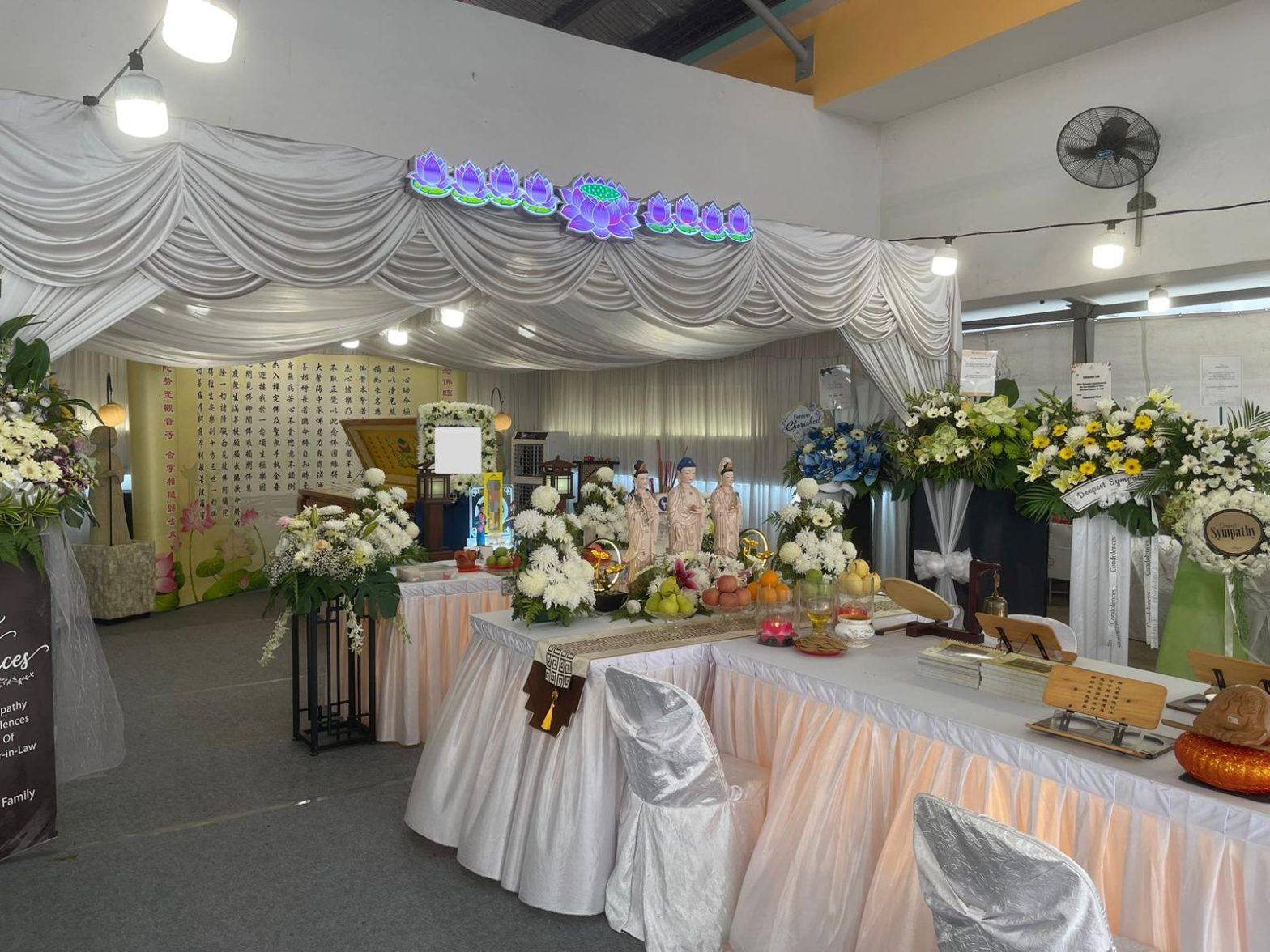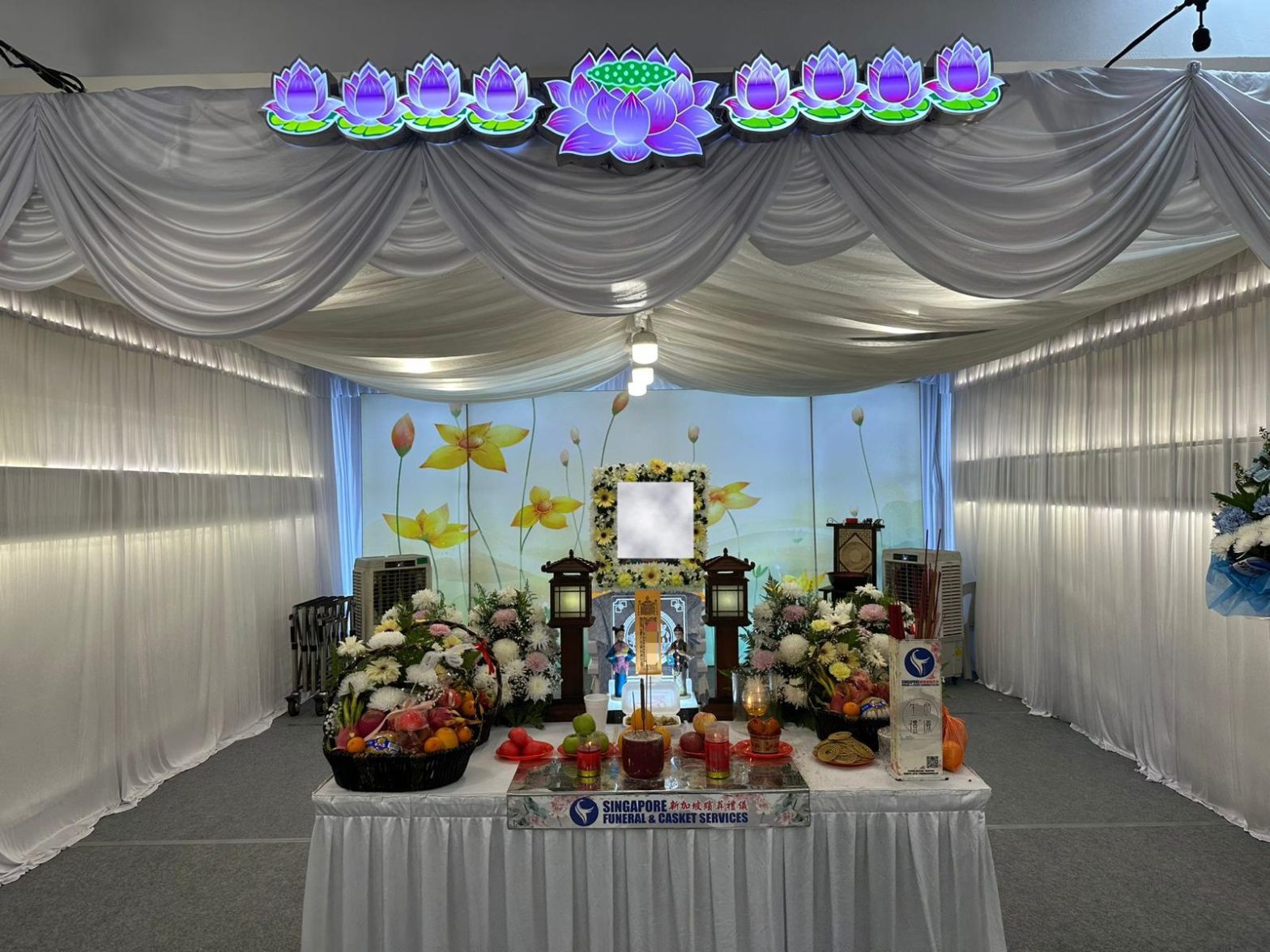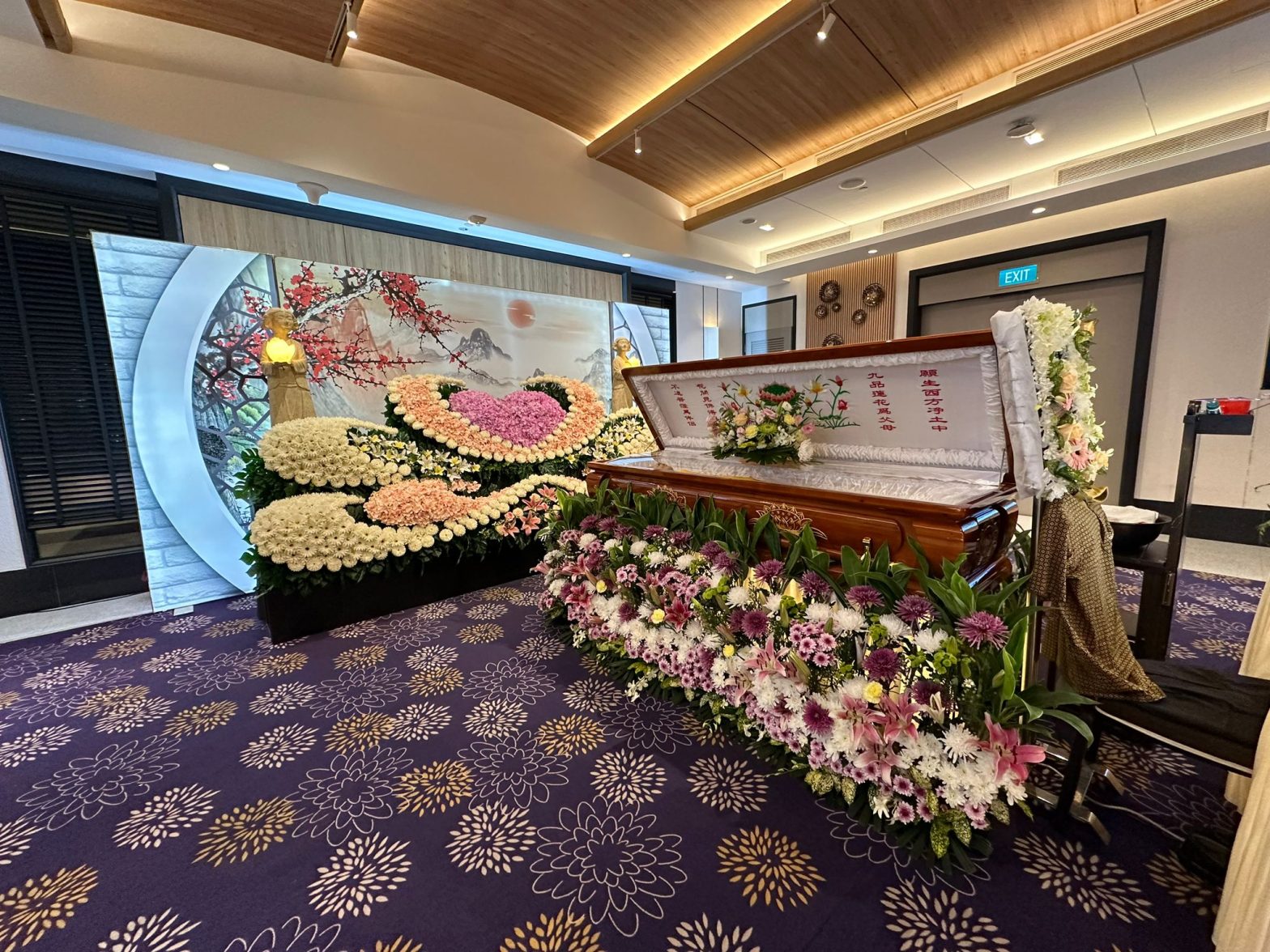
Funeral Services near Bedok

When a loved one passes, having a funeral director who knows both your traditions and your neighbourhood brings immeasurable comfort. For families in Bedok, comprehensive and dignified support is close to home. A trusted provider delivers complete funeral services that ease every practical and ceremonial burden, allowing you to focus on honouring a life. Bedok is a well-established residential heartland in eastern Singapore, full of familiar reference points that make it easy for relatives and friends to gather. The right funeral team leverages this local knowledge to respond quickly and set up a respectful farewell in the settings you know best.

Bedok Landmarks That Guide Families Home

Bedok is easily navigated by landmarks many Singaporeans recognise instantly. The Bedok MRT station on the East West Line serves as a natural gateway for visitors paying their respects, with the adjoining Bedok Mall and Bedok Interchange Hawker Centre forming a bustling central node. Just next door, the striking architecture of Heartbeat@Bedok houses the public library, community club, and sports facilities, making it a community anchor everyone knows. Further north, the tranquil Bedok Reservoir Park offers a scenic landmark popular with joggers and families, while the historic Simpang Bedok area and its cluster of eateries give the eastern end of the neighbourhood a distinctive character. The stretch along Bedok South Road and the familiar Bedok Town Centre serve as additional wayfinding points for relatives. The neighbourhood’s seamless connectivity via the ECP, PIE, and major arterial roads like New Upper Changi Road means that family members travelling from other parts of the island can reach a wake or funeral service without difficulty.

Faith-Based Funeral Packages for Every Tradition

What makes a funeral truly meaningful is its faithfulness to the beliefs of the departed and the family. A dedicated service provider ensures every religious or secular ritual is carried out with sensitivity. For families seeking a ceremony grounded in Christian tradition, Christian funeral package options coordinate every sacred element. This includes hymn selections, scripture readings, pastor coordination, and floral arrangements that convey resurrection hope and comfort. When the deceased is a member of the Roman Catholic faith, a Catholic funeral package incorporates the Vigil, Rosary recitation, and the Funeral Mass with careful reverence, following the Rite of Christian Burial in every detail.

For those who follow Buddhist teachings, a Buddhist funeral package creates a serene environment of chanting, incense, and spiritual guidance. The altar setup, arrangement of monks or nuns, and provision of appropriate offerings are all handled with deep understanding, helping the soul transition peacefully. When the family’s customs are rooted in Taoist beliefs, a Taoist funeral package manages the complex tapestry of rites. From the crossing of judgment bridges to the lighting of oil lamps and the meticulous burning of joss paper and spirit banners, every ritual is performed accurately to bring peace to the spirit and reassurance to the living.

Non-Religious Farewells and Direct Cremation

Not every farewell follows a religious path. Many families today choose a highly personal, non-religious ceremony that focuses entirely on the life lived. A free thinker funeral package provides a dignified framework of eulogies, favourite music, photo tributes, and quiet reflection without any religious symbolism. Meanwhile, for those who wish to forgo a wake in favour of absolute simplicity, direct cremation services take care of all legal documentation, private transfer of the deceased, and the cremation at Mandai. The ashes are often returned quickly, allowing families to plan a private memorial or sea scattering at a time that suits them.

Multi-Day Vigils and Wake Arrangements

When a multi-day vigil is the family tradition, thoughtfully arranged funeral wake packages transform a void deck or funeral parlour into a dignified space for remembrance. These packages typically cover professional embalming and makeup, a tasteful casket or urn setup, visitor seating, condolence book and memorial stationery, catering for mourners, and round-the-clock attendance by service staff. Because the funeral team knows Bedok intimately, they can advise on the most suitable parlours near familiar spots like Bedok North Street 3, Bedok South Avenue 1, or the quieter residential enclaves near Bedok Reservoir Road, ensuring elderly relatives and out-of-town visitors find the venue with ease.

Behind-the-Scenes Coordination and Aftercare

Behind the scenes, an accomplished funeral director quietly manages all the necessary coordination. They liaise with the crematorium, secure burial plots if in-ground burial is chosen, and handle every permit and death certificate. They also guide families on the timing of post-funeral rites, whether it is a seventh-day memorial, a 49-day Buddhist ceremony, or the anniversary Mass. The same professionals who arranged the wake can later assist with niche placements, ash scattering at sea, and the printing of thank-you cards, ensuring a continuity of care that feels seamless.

Rapid Local Response When It Matters Most

Being deeply embedded in the Bedok community means the funeral team can respond almost instantly. When a call comes in, they can direct relatives to “turn at Heartbeat@Bedok” or “look for the parlour near Bedok Mall” without a moment’s hesitation. The close proximity of funeral facilities near landmarks like Bedok Town Centre, Simpang Bedok, and the residential streets off Bedok Reservoir Road ensures that setup can begin within hours. This local agility is a quiet gift to families who are already emotionally drained.

A Familiar Neighbourhood During a Time of Loss

Throughout Bedok, from the beloved hawker stalls at Bedok Interchange to the peaceful running paths at Bedok Reservoir Park, daily life continues with a familiar pulse. During a time of loss, that familiarity becomes a comfort. You are not navigating an unfamiliar part of the island; you remain at home, surrounded by streets you know. The funeral team acts as a steady, reassuring presence. They might coordinate a Buddhist chanting session in a hall off Bedok North Avenue 4, arrange a Catholic prayer vigil in a parlour near the Simpang Bedok shophouses, or direct guests to a Christian memorial service with the right floral crosses and service booklets.

Treating Every Farewell as Sacred

Every arrangement is treated as sacred. The professionals who provide a Christian funeral package will ensure that the order of service reflects the deceased’s favourite verses and hymns. Those entrusted with a Buddhist funeral package will see to it that the correct sutras are chanted by the required number of monks. For a Taoist funeral package, the elaborate altar and all ritual items are meticulously arranged according to dialect group customs. When a family opts for a civil farewell, a free thinker funeral package focuses on dignity, storytelling, and personal mementos. And when a low-profile departure is desired, direct cremation services remove all public fuss while ensuring every legal and procedural step is respected.

A Trusted Farewell Close to Home

Choosing the right farewell in the Bedok area means placing your trust in a team that combines professional competence with genuine compassion. Whether you need a grand, multi-day wake or the quietest possible cremation, the funeral services here walk alongside you from the first phone call to the final thank-you. Surrounded by the Bedok landmarks you know—the bustling interchange and mall, the serene reservoir, the familiar Heartbeat@Bedok—you remain rooted in your community even as you grieve. The quiet confidence of knowing exactly who to call, and that they are only minutes away, transforms an overwhelming moment into a pathway of honour, memory, and peace.

Funeral Services near Jurong

When a loved one passes, having a funeral director who knows both your traditions and your neighbourhood brings immeasurable comfort. For families in Jurong, comprehensive and dignified support is close to home. A trusted provider delivers complete funeral services that ease every practical and ceremonial burden, allowing you to focus on honouring a life. Jurong is a sprawling residential and industrial powerhouse in western Singapore, full of familiar reference points that make it easy for relatives and friends to gather. The right funeral team leverages this local knowledge to respond quickly and set up a respectful farewell in the settings you know best.

Jurong Landmarks That Guide Families Home

Jurong is easily navigated by landmarks many Singaporeans recognise instantly. The Jurong East MRT interchange station, where the North-South and East-West Lines meet, serves as a natural gateway for visitors paying their respects. Steps away, the gleaming towers of JEM, Westgate, and IMM anchor the shopping belt, offering easy-to-spot meeting points. Nearby, the towering Ng Teng Fong General Hospital and the Jurong Community Hospital form a healthcare hub known to every west-side resident. For moments of quiet reflection, the sprawling Jurong Lake Gardens and the iconic Science Centre Singapore provide open green spaces and a landmark unmistakable from the expressway. The Devan Nair Institute for Employment and Employability and the Jurong Regional Library draw students and professionals, while the historic Jurong Town Hall stands as a proud reminder of the area’s industrial roots. The neighbourhood’s seamless connectivity via the PIE and AYE means that family members travelling from other parts of the island can reach a wake or funeral service without difficulty.

Faith-Based Funeral Packages for Every Tradition

What makes a funeral truly meaningful is its faithfulness to the beliefs of the departed and the family. A dedicated service provider ensures every religious or secular ritual is carried out with sensitivity. For families seeking a ceremony grounded in Christian tradition, Christian funeral package options coordinate every sacred element. This includes hymn selections, scripture readings, pastor coordination, and floral arrangements that convey resurrection hope and comfort. When the deceased is a member of the Roman Catholic faith, a Catholic funeral package incorporates the Vigil, Rosary recitation, and the Funeral Mass with careful reverence, following the Rite of Christian Burial in every detail.

For those who follow Buddhist teachings, a Buddhist funeral package creates a serene environment of chanting, incense, and spiritual guidance. The altar setup, arrangement of monks or nuns, and provision of appropriate offerings are all handled with deep understanding, helping the soul transition peacefully. When the family’s customs are rooted in Taoist beliefs, a Taoist funeral package manages the complex tapestry of rites. From the crossing of judgment bridges to the lighting of oil lamps and the meticulous burning of joss paper and spirit banners, every ritual is performed accurately to bring peace to the spirit and reassurance to the living.

Non-Religious Farewells and Direct Cremation

Not every farewell follows a religious path. Many families today choose a highly personal, non-religious ceremony that focuses entirely on the life lived. A free thinker funeral package provides a dignified framework of eulogies, favourite music, photo tributes, and quiet reflection without any religious symbolism. Meanwhile, for those who wish to forgo a wake in favour of absolute simplicity, direct cremation services take care of all legal documentation, private transfer of the deceased, and the cremation at Mandai. The ashes are often returned quickly, allowing families to plan a private memorial or sea scattering at a time that suits them.

Multi-Day Vigils and Wake Arrangements

When a multi-day vigil is the family tradition, thoughtfully arranged funeral wake packages transform a void deck or funeral parlour into a dignified space for remembrance. These packages typically cover professional embalming and makeup, a tasteful casket or urn setup, visitor seating, condolence book and memorial stationery, catering for mourners, and round-the-clock attendance by service staff. Because the funeral team knows Jurong intimately, they can advise on the most suitable parlours near familiar spots like Jurong West Street 41, Jurong East Avenue 1, or the quieter residential enclaves near Taman Jurong and Lakeside, ensuring elderly relatives and out-of-town visitors find the venue with ease.

Behind-the-Scenes Coordination and Aftercare

Behind the scenes, an accomplished funeral director quietly manages all the necessary coordination. They liaise with the crematorium, secure burial plots if in-ground burial is chosen, and handle every permit and death certificate. They also guide families on the timing of post-funeral rites, whether it is a seventh-day memorial, a 49-day Buddhist ceremony, or the anniversary Mass. The same professionals who arranged the wake can later assist with niche placements, ash scattering at sea, and the printing of thank-you cards, ensuring a continuity of care that feels seamless.

Rapid Local Response When It Matters Most

Being deeply embedded in the Jurong community means the funeral team can respond almost instantly. When a call comes in, they can direct relatives to “turn at the Science Centre” or “look for the parlour near Ng Teng Fong Hospital” without a moment’s hesitation. The close proximity of funeral facilities near landmarks like Jurong Gateway, the Jurong Regional Library, and the residential streets near Jurong Point ensures that setup can begin within hours. This local agility is a quiet gift to families who are already emotionally drained.

A Familiar Neighbourhood During a Time of Loss

Throughout Jurong, from the hawker centres near Chinese Garden to the bustling retail floors of JEM, daily life continues with a familiar pulse. During a time of loss, that familiarity becomes a comfort. You are not navigating an unfamiliar part of the island; you remain at home, surrounded by streets you know. The funeral team acts as a steady, reassuring presence. They might coordinate a Buddhist chanting session in a hall off Jurong West Avenue 1, arrange a Catholic prayer vigil in a parlour near the Lakeside MRT area, or direct guests to a Christian memorial service with the right floral crosses and service booklets.

Treating Every Farewell as Sacred

Every arrangement is treated as sacred. The professionals who provide a Christian funeral package will ensure that the order of service reflects the deceased’s favourite verses and hymns. Those entrusted with a Buddhist funeral package will see to it that the correct sutras are chanted by the required number of monks. For a Taoist funeral package, the elaborate altar and all ritual items are meticulously arranged according to dialect group customs. When a family opts for a civil farewell, a free thinker funeral package focuses on dignity, storytelling, and personal mementos. And when a low-profile departure is desired, direct cremation services remove all public fuss while ensuring every legal and procedural step is respected.

A Trusted Farewell Close to Home

Choosing the right farewell in the Jurong area means placing your trust in a team that combines professional competence with genuine compassion. Whether you need a grand, multi-day wake or the quietest possible cremation, the funeral services here walk alongside you from the first phone call to the final thank-you. Surrounded by the Jurong landmarks you know—the MRT interchange, the cluster of malls around JEM and Westgate, the calming waters of Jurong Lake—you remain rooted in your community even as you grieve. The quiet confidence of knowing exactly who to call, and that they are only minutes away, transforms an overwhelming moment into a pathway of honour, memory, and peace.

Funeral Services near Paya Lebar

When a loved one passes, having a funeral director who knows both your traditions and your neighbourhood brings immeasurable comfort. For families in Paya Lebar, comprehensive and dignified support is close to home. A trusted provider delivers complete funeral services that ease every practical and ceremonial burden, allowing you to focus on honouring a life. Paya Lebar is a dynamic commercial and residential hub in eastern Singapore, full of familiar reference points that make it easy for relatives and friends to gather. The right funeral team leverages this local knowledge to respond quickly and set up a respectful farewell in the settings you know best.

Paya Lebar Landmarks That Guide Families Home

Paya Lebar is easily navigated by landmarks many Singaporeans recognise instantly. The Paya Lebar MRT interchange station, where the East West and Circle Lines meet, serves as a natural gateway for visitors paying their respects. Just above the station, the sleek towers of Paya Lebar Quarter, known to most as PLQ, house offices, retail, and the popular PLQ Mall. Across the road, Paya Lebar Square and the iconic SingPost Centre stand as familiar meeting points, the latter home to the General Post Office. A short distance away, the Lifelong Learning Institute draws professionals and students, while the vibrant Geylang Serai Market and Cultural Centre anchors the heritage of the area, especially bustling during festive seasons. Nearby, the colourful shophouses of Joo Chiat and the calm stretch of the Geylang River offer their own familiar touchpoints. The neighbourhood’s seamless connectivity via major roads like Paya Lebar Road, Sims Avenue, and the PIE means that family members travelling from other parts of the island can reach a wake or funeral service without difficulty.

Faith-Based Funeral Packages for Every Tradition

What makes a funeral truly meaningful is its faithfulness to the beliefs of the departed and the family. A dedicated service provider ensures every religious or secular ritual is carried out with sensitivity. For families seeking a ceremony grounded in Christian tradition, Christian funeral package options coordinate every sacred element. This includes hymn selections, scripture readings, pastor coordination, and floral arrangements that convey resurrection hope and comfort. When the deceased is a member of the Roman Catholic faith, a Catholic funeral package incorporates the Vigil, Rosary recitation, and the Funeral Mass with careful reverence, following the Rite of Christian Burial in every detail.

For those who follow Buddhist teachings, a Buddhist funeral package creates a serene environment of chanting, incense, and spiritual guidance. The altar setup, arrangement of monks or nuns, and provision of appropriate offerings are all handled with deep understanding, helping the soul transition peacefully. When the family’s customs are rooted in Taoist beliefs, a Taoist funeral package manages the complex tapestry of rites. From the crossing of judgment bridges to the lighting of oil lamps and the meticulous burning of joss paper and spirit banners, every ritual is performed accurately to bring peace to the spirit and reassurance to the living.

Non-Religious Farewells and Direct Cremation

Not every farewell follows a religious path. Many families today choose a highly personal, non-religious ceremony that focuses entirely on the life lived. A free thinker funeral package provides a dignified framework of eulogies, favourite music, photo tributes, and quiet reflection without any religious symbolism. Meanwhile, for those who wish to forgo a wake in favour of absolute simplicity, direct cremation services take care of all legal documentation, private transfer of the deceased, and the cremation at Mandai. The ashes are often returned quickly, allowing families to plan a private memorial or sea scattering at a time that suits them.

Multi-Day Vigils and Wake Arrangements

When a multi-day vigil is the family tradition, thoughtfully arranged funeral wake packages transform a void deck or funeral parlour into a dignified space for remembrance. These packages typically cover professional embalming and makeup, a tasteful casket or urn setup, visitor seating, condolence book and memorial stationery, catering for mourners, and round-the-clock attendance by service staff. Because the funeral team knows Paya Lebar intimately, they can advise on the most suitable parlours near familiar spots like Joo Chiat Road, Sims Avenue, or the quieter residential pockets near Geylang Serai, ensuring elderly relatives and out-of-town visitors find the venue with ease.

Behind-the-Scenes Coordination and Aftercare

Behind the scenes, an accomplished funeral director quietly manages all the necessary coordination. They liaise with the crematorium, secure burial plots if in-ground burial is chosen, and handle every permit and death certificate. They also guide families on the timing of post-funeral rites, whether it is a seventh-day memorial, a 49-day Buddhist ceremony, or the anniversary Mass. The same professionals who arranged the wake can later assist with niche placements, ash scattering at sea, and the printing of thank-you cards, ensuring a continuity of care that feels seamless.

Rapid Local Response When It Matters Most

Being deeply embedded in the Paya Lebar community means the funeral team can respond almost instantly. When a call comes in, they can direct relatives to “turn at the SingPost Centre” or “look for the parlour near Paya Lebar Quarter” without a moment’s hesitation. The close proximity of funeral facilities near landmarks like Geylang Serai, the Lifelong Learning Institute, and the residential streets off Joo Chiat ensures that setup can begin within hours. This local agility is a quiet gift to families who are already emotionally drained.

A Familiar Neighbourhood During a Time of Loss

Throughout Paya Lebar, from the aromatic food stalls near Geylang Serai Market to the modern storefronts of PLQ Mall, daily life continues with a familiar pulse. During a time of loss, that familiarity becomes a comfort. You are not navigating an unfamiliar part of the island; you remain at home, surrounded by streets you know. The funeral team acts as a steady, reassuring presence. They might coordinate a Buddhist chanting session in a hall off Sims Avenue, arrange a Catholic prayer vigil in a parlour near the Joo Chiat shophouses, or direct guests to a Christian memorial service with the right floral crosses and service booklets.

Treating Every Farewell as Sacred

Every arrangement is treated as sacred. The professionals who provide a Christian funeral package will ensure that the order of service reflects the deceased’s favourite verses and hymns. Those entrusted with a Buddhist funeral package will see to it that the correct sutras are chanted by the required number of monks. For a Taoist funeral package, the elaborate altar and all ritual items are meticulously arranged according to dialect group customs. When a family opts for a civil farewell, a free thinker funeral package focuses on dignity, storytelling, and personal mementos. And when a low-profile departure is desired, direct cremation services remove all public fuss while ensuring every legal and procedural step is respected.

A Trusted Farewell Close to Home

Choosing the right farewell in the Paya Lebar area means placing your trust in a team that combines professional competence with genuine compassion. Whether you need a grand, multi-day wake or the quietest possible cremation, the funeral services here walk alongside you from the first phone call to the final thank-you. Surrounded by the Paya Lebar landmarks you know—the MRT interchange, the PLQ towers, the bustling Geylang Serai market—you remain rooted in your community even as you grieve. The quiet confidence of knowing exactly who to call, and that they are only minutes away, transforms an overwhelming moment into a pathway of honour, memory, and peace.

Funeral Services near Ubi

When a loved one passes, having a funeral director who knows both your traditions and your neighbourhood brings immeasurable comfort. For families in Ubi, comprehensive and dignified support is close to home. A trusted provider delivers complete funeral services that ease every practical and ceremonial burden, allowing you to focus on honouring a life. Ubi is a bustling industrial and residential area in eastern Singapore, full of familiar reference points that make it easy for relatives and friends to gather. The right funeral team leverages this local knowledge to respond quickly and set up a respectful farewell in the settings you know best.

Ubi Landmarks That Guide Families Home

Ubi is easily navigated by landmarks many Singaporeans recognise instantly. The Ubi MRT station on the Downtown Line serves as a natural gateway for visitors paying their respects. Just above it, Ubi Techpark stands out with its sleek architecture. The stretch along Ubi Avenue 1 is known for its numerous automotive showrooms and workshops, while Ubi Avenue 3 and Ubi Crescent house a dense network of industrial offices. One of the most unmistakable points in the district is the ComfortDelGro Driving Centre along Ubi Avenue 4, a place familiar to generations of new drivers. Nearby, the Traffic Police Headquarters is a landmark virtually every motorist can pinpoint. Community life in Ubi centres around the Kampong Ubi Community Club, a lively venue for gatherings and activities. For those who appreciate local heritage, The Singapore Mint also calls this area home. The neighbourhood’s excellent connections to the PIE and KPE mean that family members travelling from other parts of the island can reach a wake or funeral service without difficulty.

Faith-Based Funeral Packages for Every Tradition

What makes a funeral truly meaningful is its faithfulness to the beliefs of the departed and the family. A dedicated service provider ensures every religious or secular ritual is carried out with sensitivity. For families seeking a ceremony grounded in Christian tradition, Christian funeral package options coordinate every sacred element. This includes hymn selections, scripture readings, pastor coordination, and floral arrangements that convey resurrection hope and comfort. When the deceased is a member of the Roman Catholic faith, a Catholic funeral package incorporates the Vigil, Rosary recitation, and the Funeral Mass with careful reverence, following the Rite of Christian Burial in every detail.

For those who follow Buddhist teachings, a Buddhist funeral package creates a serene environment of chanting, incense, and spiritual guidance. The altar setup, arrangement of monks or nuns, and provision of appropriate offerings are all handled with deep understanding, helping the soul transition peacefully. When the family’s customs are rooted in Taoist beliefs, a Taoist funeral package manages the complex tapestry of rites. From the crossing of judgment bridges to the lighting of oil lamps and the meticulous burning of joss paper and spirit banners, every ritual is performed accurately to bring peace to the spirit and reassurance to the living.

Non-Religious Farewells and Direct Cremation

Not every farewell follows a religious path. Many families today choose a highly personal, non-religious ceremony that focuses entirely on the life lived. A free thinker funeral package provides a dignified framework of eulogies, favourite music, photo tributes, and quiet reflection without any religious symbolism. Meanwhile, for those who wish to forgo a wake in favour of absolute simplicity, direct cremation services take care of all legal documentation, private transfer of the deceased, and the cremation at Mandai. The ashes are often returned quickly, allowing families to plan a private memorial or sea scattering at a time that suits them.

Multi-Day Vigils and Wake Arrangements

When a multi-day vigil is the family tradition, thoughtfully arranged funeral wake packages transform a void deck or funeral parlour into a dignified space for remembrance. These packages typically cover professional embalming and makeup, a tasteful casket or urn setup, visitor seating, condolence book and memorial stationery, catering for mourners, and round-the-clock attendance by service staff. Because the funeral team knows Ubi intimately, they can advise on the most suitable parlours near familiar spots like Ubi Road 1, Ubi Avenue 2, or the Ubi Central cluster of shops, ensuring elderly relatives and out-of-town visitors find the venue with ease.

Behind-the-Scenes Coordination and Aftercare

Behind the scenes, an accomplished funeral director quietly manages all the necessary coordination. They liaise with the crematorium, secure burial plots if in-ground burial is chosen, and handle every permit and death certificate. They also guide families on the timing of post-funeral rites, whether it is a seventh-day memorial, a 49-day Buddhist ceremony, or the anniversary Mass. The same professionals who arranged the wake can later assist with niche placements, ash scattering at sea, and the printing of thank-you cards, ensuring a continuity of care that feels seamless.

Rapid Local Response When It Matters Most

Being deeply embedded in the Ubi community means the funeral team can respond almost instantly. When a call comes in, they can direct relatives to “turn at the Traffic Police HQ” or “look for the parlour opposite the ComfortDelGro Driving Centre” without a moment’s hesitation. The close proximity of funeral facilities near landmarks like Ubi 55, Ubi Industrial Park, and the offices around Ubi View ensures that setup can begin within hours. This local agility is a quiet gift to families who are already emotionally drained.

A Familiar Neighbourhood During a Time of Loss

Throughout Ubi, from the quiet coffee shops near the Kampong Ubi Community Club to the busy showrooms around the Automobile Megamart, daily life continues with a familiar pulse. During a time of loss, that familiarity becomes a comfort. You are not navigating an unfamiliar part of the island; you remain at home, surrounded by streets you know. The funeral team acts as a steady, reassuring presence. They might coordinate a Buddhist chanting session in a hall off Ubi Avenue 3, arrange a Catholic prayer vigil in a parlour near Ubi Techpark, or direct guests to a Christian memorial service with the right floral crosses and service booklets.

Treating Every Farewell as Sacred

Every arrangement is treated as sacred. The professionals who provide a Christian funeral package will ensure that the order of service reflects the deceased’s favourite verses and hymns. Those entrusted with a Buddhist funeral package will see to it that the correct sutras are chanted by the required number of monks. For a Taoist funeral package, the elaborate altar and all ritual items are meticulously arranged according to dialect group customs. When a family opts for a civil farewell, a free thinker funeral package focuses on dignity, storytelling, and personal mementos. And when a low-profile departure is desired, direct cremation services remove all public fuss while ensuring every legal and procedural step is respected.

A Trusted Farewell Close to Home

Choosing the right farewell in the Ubi area means placing your trust in a team that combines professional competence with genuine compassion. Whether you need a grand, multi-day wake or the quietest possible cremation, the funeral services here walk alongside you from the first phone call to the final thank-you. Surrounded by the Ubi landmarks you know—the driving centre, the community club, the familiar avenue names—you remain rooted in your community even as you grieve. The quiet confidence of knowing exactly who to call, and that they are only minutes away, transforms an overwhelming moment into a pathway of honour, memory, and peace.

Understanding Buddhism in Singapore: The Buddhist Lodge, Federation, and Community Growth

Buddhism is deeply rooted in Singapore’s multicultural society, influencing everything from religious practices to social services. With institutions like the Singapore Buddhist Lodge and the Singapore Buddhist Federation playing pivotal roles, many wonder how Buddhism became so prominent in this city-state. In this article, we explore the historical roots of key organisations and the reasons behind the large Buddhist population in Singapore.


What Is the History of the Buddhist Lodge in Singapore?

The Singapore Buddhist Lodge (SBL), one of the most prominent lay Buddhist organisations in the country, was established in 1934 by philanthropists and devotees who wanted to provide a platform for spiritual cultivation and community service. It began as a humble initiative at 26 Blair Road but later moved to its current premises at 17 Kim Yam Road in the River Valley area.

SBL was created to offer free Dharma teachings and serve as a refuge for those seeking moral guidance. Over the decades, it has grown significantly, both in influence and size, with a temple compound that includes a large prayer hall, ancestral tablet hall, and social outreach facilities. Today, the lodge is well known for its daily free vegetarian meals, welfare donations, and ongoing charity work in Singapore and the region. It continues to provide a vital spiritual and social support system to the local Buddhist community.


How to Join the Singapore Buddhist Federation?

The Singapore Buddhist Federation (SBF), founded in 1949, is an umbrella body that represents many Buddhist temples, organisations, and practitioners across Singapore. Its aim is to unify the Buddhist voice in national matters and promote the teachings of the Buddha in a modern, multi-faith society.

Joining the Singapore Buddhist Federation as an individual practitioner is typically done through affiliation with one of its member organisations or temples. However, if you represent a temple or Buddhist society, you can apply for organisational membership by submitting:

  • A formal application
  • A copy of your organisation’s constitution
  • A list of executive committee members
  • Registration with the Registrar of Societies

While there is no widely publicised individual membership scheme for SBF, they regularly organise public talks, retreats, Vesak Day events, and educational programmes that anyone may participate in. Interested individuals can follow them on social media or their official website to stay updated on public involvement opportunities.

Reliable Buddhist Funeral Services in Your Area

Searching for a funeral near me that delivers comfort and professionalism? Our Buddhist funeral package offers comprehensive support with compassion, respect, and meticulous care. Let us help you honour your loved one with a peaceful and respectful send-off.


Why Are There So Many Buddhists in Singapore?

As of the 2020 Singapore Census, Buddhism remains one of the largest religions in Singapore, with 31.1% of the resident population identifying as Buddhist. Several historical, cultural, and social factors explain this high proportion:

  1. Ethnic Heritage: A significant portion of Singapore’s population is of Chinese descent, and Buddhism, along with Taoism and Confucianism, has historically played a central role in Chinese religious life. Many Singaporean Chinese families continue to uphold Buddhist traditions and festivals.
  2. Freedom of Religion: Singapore’s government has maintained a secular yet inclusive approach to religion, allowing different faiths, including Buddhism, to flourish without persecution or restriction. This open environment supports religious observance and community development.
  3. Institutional Support: Buddhist organisations such as the Singapore Buddhist Lodge, Buddhist Library, Buddhist Fellowship, and Kong Meng San Phor Kark See Monastery have invested in educational outreach, charitable programmes, and youth activities. These efforts help pass down the Dharma to younger generations while attracting new followers.
  4. Modern Appeal: Buddhism’s emphasis on mindfulness, compassion, and mental well-being resonates with modern urban dwellers. Practices like meditation, chanting, and community service provide spiritual fulfilment without dogma, appealing to those seeking meaning in a fast-paced society.

Final Thoughts

From the historical foundations of the Singapore Buddhist Lodge to the nationwide coordination of the Singapore Buddhist Federation, it’s clear that the growth of Buddhism in Singapore is not coincidental. It reflects a harmonious blend of tradition, community, and adaptability in a rapidly evolving society. Whether you’re interested in joining the movement, learning more about its teachings, or exploring its role in Singaporean culture, Buddhism offers a path of understanding, peace, and compassion that continues to shape the nation.


Sources:

  • Singapore Buddhist Lodge official website
  • Singapore Buddhist Federation official website
  • Department of Statistics Singapore, Census of Population 2020
  • National Heritage Board, Roots.sg
  • Buddhist Library Singapore
  • Straits Times archival articles on religion in Singapore
  • Ministry of Culture, Community and Youth (MCCY) religious harmony initiatives

HDB Void Deck Funeral Comprehensive Guide

In Singapore, Housing and Development Board (HDB) void decks serve as communal spaces where residents often hold funeral wakes. Organizing a funeral in such a setting involves several steps and considerations to ensure a respectful and smooth process. This guide provides a comprehensive overview of the procedures, permits, and best practices for conducting a funeral at an HDB void deck.

1. Immediate Steps Following a Death

  • Obtain a Certificate of Cause of Death (CCOD): If the death occurs at home, contact a doctor to certify the death and issue the CCOD. In hospital settings, the attending physician will provide this document. If the cause of death is unclear, the body may need to be sent to the Mortuary @ HSA for further investigation.
  • Register the Death: With the CCOD, proceed to register the death at any Police Divisional Headquarters, Neighbourhood Police Centre, or Neighbourhood Police Post. Some hospitals also facilitate death registration. You’ll need the deceased’s identification documents and your own identification. Upon registration, you’ll receive a death certificate, which includes a permit for burial or cremation.

2. Deciding on the Funeral Wake Venue

Common venues for funeral wakes include funeral parlours, private residences, and HDB void decks. Holding the wake at a void deck offers convenience for family members and allows neighbors to pay their respects easily. However, it’s essential to consider the space’s suitability and the comfort of other residents.

3. Obtaining Necessary Permits

  • Town Council Permit: To hold a wake at a Town Council-managed void deck, multi-purpose hall, or pavilion, you must obtain a permit from the respective Town Council. This involves checking the availability of the space for your desired dates and adhering to any specific guidelines they provide.

Application Process

1. Submit a Request to HDB

  • Visit the HDB Branch Office: Drop by the managing HDB branch office for assistance.
  • Call the HDB Service Line: Dial 1800-225-5432 for inquiries or assistance.
  • Submit Online: Use the HDB e-Services portal to file your request.

2. Provide Necessary Details

  • Specifics: Share the exact location of the parking lots or space needed, along with the duration and purpose of use.
  • Documentation: Include required documents such as:
    • Death certificate
    • Town Council permit (if applicable)

3. Fees and Deposits

  • Nominal Charges: HDB may charge small fees for reserving parking lots or other spaces.
  • Refundable Deposit: Some Town Councils may require up to $500 as a deposit to ensure the area is properly restored after use.

Additional Permits for Specific Needs

1. Temporary Electricity Supply

  • If additional electricity is required for lighting, fans, or sound systems, apply for a temporary connection via:
    • The Town Council
    • Licensed Electrical Contractors

2. Public Health Compliance

  • For food preparation or serving, ensure compliance with National Environment Agency (NEA) guidelines for hygiene and waste management. Funeral service providers or caterers typically handle this, but double-check their adherence.

3. Optional Police Notification

  • Notify the local police if the wake involves:
    • Road closures
    • Large crowds
      While not mandatory, this fosters goodwill and prepares authorities for potential traffic or safety issues.

Key Tips for Managing Permits

1. Early Planning

  • Submit applications early as permit approvals may take several days.

2. Engage Professionals

  • Funeral directors often manage permits and logistics as part of their service packages, ensuring seamless compliance.

3. Maintain Documentation

  • Keep all permits, receipts, and correspondence readily available for inspections.

4. Adhere to Conditions

  • Follow all permit conditions to avoid fines or disruptions during the funeral.

Common Challenges and Solutions

1. Space Availability

  • Challenge: High demand for void decks or halls.
  • Solution: Reserve the venue immediately after death registration.

2. Noise Complaints

  • Challenge: Neighbours may be disturbed by rituals.
  • Solution: Inform neighbours in advance and maintain reasonable noise levels.

3. Weather Issues

  • Challenge: Unexpected rain or heat.
  • Solution: Arrange tents and fans beforehand.

Key Information on Fees and Timeline

Fees

  • Usage Fee: Typically waived for funeral wakes across most Town Councils.
  • Utilities (Water and Electricity):
    • Charges range from $10 to $20 per day for each utility.
    • Waivers may apply in some areas (e.g., Sembawang, Marsiling-Yew Tee).
  • Refundable Deposit: Up to $500, depending on the Town Council’s policies.

Approval Time

  • Application Submission: Contact the Town Council promptly with:
    • Death certificate
    • Applicant’s NRIC
  • Processing Duration: Time varies depending on the completeness of the application. Professional funeral service providers can expedite this process.
  • HDB Approval for Parking Lots: If you require the use of adjacent surface parking lots for the wake, apply to HDB by visiting the managing HDB Branch, calling the HDB Branch Service Line at 1800-225-5432, or submitting a request online.

4. Engaging a Funeral Director

A professional funeral director can assist with various aspects of the funeral, including:

  • Body Collection and Preparation: Transporting the body from the place of death to the wake venue and handling embalming if necessary.
  • Funeral Arrangements: Coordinating the setup at the void deck, including tentage, seating, and decorations, in line with religious or cultural practices.
  • Administrative Tasks: Assisting with permit applications and booking cremation or burial slots.

Engaging a reputable funeral director ensures that the funeral adheres to regulations and respects the family’s wishes.

5. Setting Up the Void Deck

  • Tentage and Seating: Depending on the expected number of attendees, arrange for appropriate tentage and seating. Ensure that the setup does not obstruct common pathways or cause inconvenience to other residents.
  • Ventilation and Lighting: Given Singapore’s tropical climate, ensure adequate ventilation, possibly by installing fans. Proper lighting is also crucial, especially for wakes extending into the evening.
  • Religious and Cultural Considerations: Set up altars or offering tables as required by the deceased’s religious or cultural practices. Ensure that these setups comply with regulations and are respectful to the community.

Compassionate Buddhist Funeral Services Near You

If you’re searching for a funeral near me that offers respectful and reliable support, our Buddhist funeral package provides everything you need for a meaningful and dignified send-off. From professional coordination to traditional rituals, we ensure every detail is handled with care—giving your loved one the honour they deserve and your family the peace of mind you need.

6. Conducting the Wake

  • Duration: Decide on the length of the wake, typically ranging from three to five days, based on family preferences and religious customs.
  • Rituals and Ceremonies: Coordinate with religious leaders to conduct necessary rites. Inform neighbors about the schedule, especially if rituals might generate noise, to maintain good community relations.
  • Catering and Amenities: Arrange for food and beverages for attendees. Ensure that amenities like restrooms are accessible. Some funeral service providers offer comprehensive packages that include catering and other services.

7. Post-Funeral Arrangements

  • Cremation or Burial: Your funeral director can assist in booking the date and time for cremation or burial. Ensure that all necessary documents, including the death certificate and permits, are prepared.
  • Collection of Ashes: If opting for cremation, arrange for the collection of ashes and decide on their final resting place, such as a columbarium.
  • Thanking Attendees: It’s customary to express gratitude to those who attended the wake and funeral. This can be done through thank-you cards or messages.

8. Considerations for the Community

  • Minimize Disruptions: Ensure that the funeral setup does not block access ways or create excessive noise, especially during late hours.
  • Parking Arrangements: Advise attendees to park in designated areas to avoid inconveniencing residents. If necessary, deploy traffic marshals to manage vehicle movement.
  • Cleanliness: Maintain the cleanliness of the void deck and surrounding areas throughout the wake. Ensure that all setups are promptly dismantled, and the area is cleaned after the funeral.

9. Financial Considerations

  • Funeral Costs: Discuss the costs involved with your funeral director. Expenses can vary based on the services chosen, such as tentage, catering, and ritual arrangements.
  • Government Fees: Be aware of any fees associated with permits and bookings. For instance, cremation at the Mandai Crematorium has specific charges.
  • Financial Assistance: Explore available financial assistance or insurance claims that can help cover funeral expenses.

10. Legal and Administrative Matters

  • Asset Management: After the funeral, address the deceased’s estate matters, including the distribution of assets and settlement of debts.
  • Notification of Authorities: Inform relevant authorities and institutions, such as banks and insurance companies, about the death to update records and process claims.

How to Become an Embalmer in Singapore

Becoming an embalmer in Singapore is a specialized career that involves a combination of formal education, practical training, and certification. Here’s a guide on how to pursue this profession.

1. Educational Requirements

To become an embalmer in Singapore, you typically need to have a background in health sciences or a related field. A good starting point is to pursue a diploma or degree in a relevant discipline. Nanyang Polytechnic (NYP) offers various courses under their School of Life Sciences, including Health Sciences, which could serve as a foundation for a career in embalming. You are also required to go through the Basic Infection Control Course at the National Center for Infectious Diseases (NCID) before you become an embalmer.

2. Specialized Training

After obtaining a relevant diploma or degree, aspiring embalmers need to undergo specialized training in mortuary science or embalming. This training is usually provided by specialized institutions or through apprenticeships with experienced embalmers. The training will cover topics such as anatomy, chemistry, restorative art, and the proper handling and preservation of bodies.

3. Certification

In Singapore, embalmers must be certified by the relevant authorities to practice legally. Certification usually involves passing a series of exams and completing a certain number of practical embalming cases under supervision. It’s essential to check with local health authorities for specific certification requirements and procedures.

4. Apprenticeship and Practical Experience

Gaining hands-on experience is crucial in this field. Many embalmers start their careers as apprentices, working under the supervision of experienced professionals. This period allows you to apply your theoretical knowledge in real-life scenarios and develop the skills needed to handle the emotional and physical demands of the job.

5. Continuing Education and Professional Development

The field of embalming is constantly evolving with advancements in techniques and regulations. Continuing education is important for staying updated with the latest practices and maintaining your certification. Many embalmers participate in workshops, seminars, and other professional development opportunities.

6. Employment Opportunities

Once certified, embalmers can find employment with funeral homes, hospitals, or government agencies. Some may also choose to start their own funeral services business. The demand for professional embalmers is steady, given the essential nature of the job.

7. Professional Associations

Joining a professional association for embalmers and funeral directors can provide additional resources, networking opportunities, and support throughout your career. These associations often offer continuing education programs and keep members informed about industry standards and changes in regulations.

Conclusion

Becoming an embalmer in Singapore requires a combination of education, training, certification, and practical experience. It’s a career that demands not only technical skills but also emotional resilience and a commitment to providing respectful and professional care to the deceased and their families.

For more detailed information on relevant courses, you can explore offerings from institutions like Nanyang Polytechnic’s School of Life Sciences.

More Articles:
Buddhist Funeral Packages
Sea Burial Services

Funeral Packages

Our Buddhist funeral in Singapore is arranged with full respect for Buddhist customs. It provides families with a serene and spiritual way to say goodbye.

The package includes professional embalming, bathing, dressing, and makeup services carried out in a private air-conditioned facility. The wake can be held at either an HDB void deck or a funeral parlour, depending on the family’s preference.

A full Buddhist altar is set up with religious offerings and incense. Chanting sessions by Buddhist monks are conducted on the day of encoffinment, the final night, and the funeral day.

We also provide floral arrangements, photo enlargement, condolence booklets, digital signage, and transportation using a Mercedes Vito hearse. Cremation arrangements are included, with optional services such as vegetarian catering and paper offerings available.

Our Taoist funeral in Singapore is conducted according to detailed Taoist traditions and can be customised for dialect-specific rites including Hokkien, Teochew, Cantonese, Hakka, and Hainanese.

The package features a traditional casket setup with ritual items like sandalwood powder, prayer blankets, and pillows. Licensed female embalmers carry out professional body care and makeup.

The wake area is fully equipped with tentage, lighting, ceiling fans, tables, chairs, and a mobile toilet. Taoist-themed backdrops, joss paper, deity tablets, and altar setups are included.

Taoist priests perform multi-day chanting rituals including encoffinment, final night, and funeral day ceremonies. We also provide paper offerings like houses and servants, customised funeral lanterns, a glass hearse, air-conditioned bus, and full cremation support.

Our Christian funeral in Singapore ensures a solemn and respectful farewell in line with Christian values.

The package includes embalming, dressing, and preparation of the deceased. The wake is held at an HDB void deck, private estate, or funeral parlour with a Christian-themed backdrop, cross, and floral arrangements.

A memorial altar is set up with enlarged photo displays and scripture-based decor. We coordinate with your church or pastor to organise services, prayers, and readings.

Transport is arranged with a glass hearse and suited pallbearers. Additional services include guest reception, condolence materials, safe box, a 45-seater guest bus, cremation arrangements, and optional video tributes or live music.

Our Catholic funeral in Singapore covers the full Catholic rite, including the Vigil, Funeral Mass, and Rite of Committal.

We provide embalming, body preparation, and a half-glass casket fitted with a crucifix and nameplate. The wake venue is decorated with Catholic symbols such as candles, holy water, and sacred icons.

A floral altar and photo display are set up. Our team liaises with the parish to arrange Funeral Masses and rosary recitations, and ensures that all religious items are placed respectfully.

Transport includes a glass hearse and suited pallbearers. Cremation or burial arrangements are included. Families also receive condolence booklets, floral water, keepsakes, and guidance on post-funeral customs.

Our Soka funeral in Singapore is conducted according to Soka Gakkai principles, with a focus on peace, dignity, and humanistic values.

This package includes embalming and presentation of the deceased, along with a wake setup featuring the image of Nichiren Daishonin at the altar. The venue can be held at an HDB void deck or parlour.

Soka members lead Nam-myoho-renge-kyo chanting sessions. The service includes floral arrangements, photo enlargement, condolence materials, and digital signage.

We manage transportation via a professional hearse, and take care of all cremation arrangements. Optional services include extra chanting sessions, photography, videography, and memorial keepsakes.

Our sea burial in Singapore offers a peaceful, nature-aligned farewell at sea.

We assist with NEA permit application and collect the ashes from the crematorium. A biodegradable urn is optional. A private ferry or yacht is chartered to the official sea burial site located 2.8 km south of Pulau Semakau.

Families may conduct a short farewell ceremony and scatter flower petals and ashes into the sea. Loose flowers are provided.

Optional add-ons include a religious officiant, professional photography or video coverage, and keepsake tokens such as memorial pendants or photo books. Our team ensures the entire process is conducted with dignity and care.

Funeral Services in Singapore: Costs, Options, and Trends

The passing of a loved one is an emotional and deeply personal experience, often accompanied by the difficult task of organizing a funeral. In Singapore, funeral services are influenced by the country’s multicultural society, with practices and costs varying across different religious and cultural groups.

This article provides an in-depth guide to understanding the various funeral services available in Singapore, their associated costs, and recent trends, including eco-friendly funeral options and financial planning tips.

The Funeral Industry in Singapore

Singapore’s funeral industry is well-established, catering to a wide array of religious and secular needs. The country’s rich diversity—comprising Chinese, Malay, Indian, and other ethnic groups—means that funeral services here often have a cultural or religious element.

Depending on the deceased’s background, a funeral may follow Christian, Buddhist, Taoist, Muslim, or Hindu traditions, each with specific rites and customs.

Over the years, Singapore has seen a rise in professional funeral directors who manage the entire process from death registration to cremation or burial. As these services have evolved, so too have the options available to families, ranging from simple, no-frills services to elaborate ceremonies that honor the deceased in highly personalized ways.

Breakdown of Funeral Costs in Singapore

Funeral expenses in Singapore can vary greatly depending on several factors, including the type of service, location of the wake, and whether the deceased will be buried or cremated. The total cost can range from S$5,000 to over S$12,000, and in some cases, even more for highly customized services.

CategoryDetailsCost Range
Funeral Costs in Singapore
Coffins and CasketsBasic coffins (plywood) to premium materials (mahogany, marble)S$800 – S$8,000
Wake ArrangementsRent at void decks, funeral parlors, or religious institutionsS$3,000 – S$10,000
Body PreparationEmbalming, makeup, dressing of the deceasedS$500 – S$1,000
CremationMandai Crematorium (government facility)S$100
BurialBurial plot at Choa Chu Kang Cemetery (limited availability)S$300
TransportHearse from wake to cremation or burial siteS$400 – S$1,200
Types of Funeral Services
Christian FuneralsChurch services, hymns, prayers, eulogiesS$4,000 – S$8,000
Buddhist FuneralsRituals include burning incense, paper offerings, chanting by priests or monksS$8,000 – S$15,000
Taoist Funerals5 –7 days with chanting by Taoist priests, paper offerings, and symbolic ritesS$10,000 – S$20,000
Catholic Funerals1 – 3 days with wake, church mass, burial/cremationS$6,000 – S$9,000
Muslim FuneralsQuick burial (within 24 hours), body washed and shrouded according to Islamic lawS$1,500 – S$4,000
Hindu FuneralsCremation with traditional mantras and ritualsS$3,000 – S$10,000
Eco-Friendly Funeral Options
Green BurialsBiodegradable coffins or shrouds, minimal environmental impactVaries depending on service
Eco-Friendly CremationAlkaline hydrolysis (water cremation), lower carbon footprintStill developing in Singapore
Biodegradable UrnsCremated remains placed in urns that decompose naturallyS$100 – S$500
Sea Burial / Coral Reef MemorialsCremated remains turned into coral reefs for ocean conservationS$3,000 – S$6,000
Financial Planning for Funerals
Funeral InsuranceFuneral-specific insurance policies, providing a payout for funeral costsPayouts up to S$10,000
CPF SavingsUse of the deceased’s CPF savings to cover funeral costsDepends on CPF savings
Public Assistance Funeral GrantGovernment aid for low-income familiesS$1,400
Pre-Paid Funeral ServicesPre-paying for funeral services at current rates to avoid future price increasesVaries depending on service provider
Additional CostsOptional services such as floral arrangements, catering, musicians, etc.S$500 – S$5,000 (depending on scale)

Common Costs Associated with Funerals

  • Coffins and Caskets: Coffins made from basic materials like plywood start at around S$800, while more luxurious options, such as mahogany or marble-finished caskets, can go up to S$8,000.
  • Wake Arrangements: A funeral wake typically lasts between three to five days and can be held at various venues, including a void deck, funeral parlors, or religious institutions. Renting a venue can cost between S$3,000 and S$10,000.
  • Body Preparation: Embalming services, where the body is preserved, typically cost S$500 to S$1,000. Families may also opt for additional services such as makeup and dressing of the deceased.
  • Cremation or Burial: Cremation is the most common choice in Singapore due to land constraints. Cremation at Mandai Crematorium costs around S$100, while a burial plot at Choa Chu Kang Cemetery costs about S$300. However, burial plots are available only for 15 years, after which exhumation is required.
  • Transport: Transportation costs for the hearse, which brings the body from the wake to the burial or cremation site, typically range from S$400 to S$1,200.

Types of Funeral Services

Funeral services in Singapore are generally categorized by religious traditions. These services not only honor the deceased but also serve to support the grieving family and community.

Christian Funerals

Christian funerals in Singapore are often solemn affairs, typically involving a church service, eulogies, hymns, and prayers. The deceased is either cremated or buried, depending on the family’s preference. Costs for Christian funerals range from S$4,000 to S$8,000, with cremation being the more affordable option due to the limited availability of burial plots.

Chinese Buddhist Funerals

Chinese Buddhist funerals in Singapore are rich in tradition, typically lasting three to seven days. Rituals such as burning incense, paper offerings, and chanting by Buddhist monks or Taoist priests are common. The cost for a traditional Chinese funeral can be quite high, with prices ranging between S$8,000 and S$15,000. The final send-off often includes a procession, during which the family is led by priests or monks in a ceremonial march.

Taoist Funerals

Taoist funerals in Singapore are deeply rooted in ancestral reverence, guided by traditional rites and Taoist priest-led rituals. These funerals often span five to seven days and include elaborate ceremonies such as chanting, gong and cymbal processions, joss paper burning, and symbolic offerings to guide the deceased through the afterlife.

Each ritual is performed with precision, often reflecting the deceased’s dialect group such as Hokkien or Teochew. A full Taoist funeral typically costs between S$10,000 and S$20,000, depending on the number of rituals, offerings, and ceremonial days. The funeral ends with a grand send-off involving multiple priests, musicians, and a formal procession.

Catholic Funerals

Catholic funerals in Singapore are solemn and structured, focusing on prayer, remembrance, and the hope of eternal life. They usually span one to three days, starting with a wake service that includes rosary prayers and eulogies, followed by a funeral mass held at a Catholic church. Conducted by a priest, the mass includes Scripture readings, Holy Communion, and blessings. After the mass, the body is either cremated or buried, depending on family preference.

Catholic Funeral packages typically cost between S$6,000 and S$9,000, with additional charges for church fees and columbarium arrangements. The emphasis is on peace, grace, and a respectful farewell rooted in Christian faith.

Muslim Funerals

Muslim funerals in Singapore are conducted swiftly, usually within 24 hours of death, in accordance with Islamic law. The body is washed and shrouded before being buried in a simple wooden coffin. Muslim burials are carried out at specific cemeteries such as the Choa Chu Kang Muslim Cemetery. Costs for a Muslim funeral are relatively affordable, typically ranging from S$1,500 to S$4,000.

Hindu Funerals

Hindu funerals typically involve cremation, as it is believed that fire purifies the soul. The deceased is placed on a stretcher, and traditional rituals are performed, including the chanting of mantras and the offering of flowers. Costs for Hindu funerals vary, but typically fall between S$3,000 and S$10,000.

Financial Planning for Funeral Expenses

Funeral expenses in Singapore can be a significant financial burden, particularly if no prior planning has been made. To ease the strain on families during an already difficult time, it is essential to plan ahead and consider funeral insurance or other financial arrangements.

Funeral Insurance

Funeral insurance is a type of life insurance that specifically covers funeral expenses. By purchasing a funeral insurance policy, individuals can ensure that their family does not bear the full financial weight of the funeral. In Singapore, there are several insurers offering funeral plans that provide payouts of up to S$10,000 to cover funeral costs.

CPF (Central Provident Fund) and Government Assistance

In some cases, families can use the deceased’s CPF savings to cover funeral expenses. Additionally, low-income families may qualify for the Public Assistance Funeral Grant, which provides a sum of S$1,400 to help cover the costs of a basic funeral service.

Pre-Paying for Funeral Services

Another option is to pre-pay for funeral services. Some funeral directors in Singapore offer pre-planned funeral packages where individuals can lock in current prices for future services. This can help mitigate the risk of rising funeral costs over time, while also ensuring that the deceased’s preferences for their funeral are honored.

Creating a Funeral Budget

Families should consider creating a funeral budget to estimate the overall costs and ensure that they do not overspend. Prioritize essential expenses such as body preparation, venue rental, and religious services, while being mindful of optional services like catering or floral arrangements. Allocating funds ahead of time can relieve some of the pressure and allow families to focus on honoring their loved one.

Conclusion

Funeral services in Singapore are a complex and multifaceted industry, deeply rooted in the country’s cultural and religious diversity. Whether opting for a traditional service or exploring eco-friendly alternatives, families should be mindful of the associated costs and consider financial planning options to ease the burden.

By making informed decisions and understanding the various services available, families can provide a meaningful farewell for their loved ones while managing the financial impact responsibly.

Casket Funeral Services in Singapore

At FuneralServices.sg, we provide families with affordable, respectful, and professionally managed funeral services across all major religions in Singapore. Whether you are planning a 3‑day, 5‑day or 7‑day wake, we are here to guide you every step of the way.

Funeral Package Pricing by Religion

funeral services

We offer transparent pricing for different religious funeral services. All packages include essential items such as casket, embalming, transportation, and coordination of rites. Additional days and upgrades (e.g. catering, flowers, venue rental) can be added as needed.

Religion3-Day Package5-Day Package7-Day Package (Add-on)
BuddhistFrom $5,500From $6,000+$500/day
TaoistFrom $7,500From $8,000+$500–$800/day
ChristianFrom $4,500From $5,000+$400/day
CatholicFrom $4,500From $5,000+$400/day
Free ThinkerFrom $4,500From $5,000+$400/day
SokaFrom $4,500From $5,000+$400/day

Our Funeral Parlours

We operate 12 fully air-conditioned funeral parlours, each thoughtfully designed to offer privacy and comfort for you and your family. These halls range from intimate rooms for 15 guests to larger spaces that can hold up to 250 people.

Every parlour comes equipped with:

  • Rest areas with sofas and beds
  • Wi-Fi and audio-visual systems
  • Daily cleaning and waste management
  • Safe condolence collection box
  • Refrigerators and coffee machines

You may also choose to hold the wake at HDB void decks, churches, temples, multi-purpose halls, or private residences. Our team will assist with the full setup and logistics.

Types of Caskets

We offer a wide selection of caskets to suit every need, tradition, and budget. Our standard packages include a panel-shape coffin with viewing glass. Other options are also available, including:

Standard Casket (Included in Packages)

  • Panel-Shape Casket with Viewing Glass
    Elegant and functional, this is the most commonly selected option for both cremation and burial services. It allows family members to view their loved one during the wake in a dignified manner.

Premium Casket Options

For families seeking enhanced finishes or religious symbolism, we also offer:

  • Solid Wood Caskets
    Made from quality hardwood such as teak or oak, offering a natural, timeless look. These are ideal for those who value craftsmanship and tradition.
  • Veneered Wood Caskets
    A more cost-effective alternative to solid wood, these caskets offer a polished and beautiful finish with various tones and textures.
  • Metal Caskets
    Durable and often chosen for burial services, metal caskets are available in a variety of colours and styles. They offer added protection and a contemporary look.
  • Eco-Friendly Caskets
    Made from biodegradable materials such as bamboo, seagrass, or recycled wood. These are ideal for families with environmental values or those seeking a green burial option.

Religious-Themed Designs

We provide specially designed caskets to reflect different religious and cultural beliefs:

  • Buddhist – Lotus flower motifs, calming colours, and spiritual symbolism
  • Christian/Catholic – Cross engravings, white or wood-toned finishes
  • Taoist – Traditional Chinese ornamentation with auspicious colours

Each casket is prepared by experienced staff with utmost care, respect, and dignity. We also offer customisation for interior fabric, handles, and fittings to reflect your loved one’s personality and values.

If you’re unsure which type of casket to choose, our team is here to gently guide you through the options.

Additional Items and Services

To support you through this difficult time, we provide:

  • Photo enlargement with wreath
  • Floral arrangements and altar table setup
  • Religious magnetic banners
  • Buddhist and Taoist prayer items
  • Chanting services from monks or priests
  • Condolence booklets and digital signage
  • Vegetarian offerings (upon request)

Everything can be personalised based on your religious beliefs and family preferences.

Contact Us

We are available 24/7 to assist you and your loved ones.

📞 24-Hour Hotline: +65 8900 0000

What Happens At a Anglican Funeral in Singapore

Pre-Funeral Planning

In Singaporean Anglican practice, arrangements begin soon after a death. Family members typically notify their church pastor or priest at once, who will guide the process and help select Scripture readings, hymns and prayers. St Andrew’s Cathedral advises that families call the church office or their cell‐group leader immediately when a member dies. Families then meet with the clergy to plan the service order.

Together they choose Bible passages (often comforting texts such as Psalm 23 or John 14) and decide on hymns and any special music or photos. This planning meeting is usually informal and pastoral – the priest or minister suggests liturgical options and helps the family personalise the service. Practical details (church venue, date/time, and transport) are also confirmed at this stage.

Anglican Funeral Service

Anglican funerals are typically held in a church or chapel. For example, a funeral at St Andrew’s Cathedral – the main Anglican cathedral in Singapore – follows a set liturgy. The service usually opens with an introductory prayer and a Scripture reading about life and resurrection. Congregational hymns (sung in English, Chinese or Tamil depending on the congregation) reflect the faith of the deceased.

A minister leads the service and the family or friends may share memories. A Christian funeral often includes Opening Prayer and Scripture Reading, Hymns, Eulogies, a Sermon, and the Committal service. For instance, a pastor might read Psalm 23 (“The Lord is my shepherd…”) to express trust in God. One of the passages often chosen is Psalm 23, which reassures mourners that God is with them even in death.

Anglican Church

After the readings, a close family member or friend typically delivers a eulogy, sharing anecdotes about the deceased. The priest then preaches a brief sermon, usually focusing on hope, God’s mercy, and the promise of eternal life. The congregation may join in prayers of thanksgiving for the person’s life and prayers for comfort.

Traditional hymns are an important part of the service. The songs chosen tend to be those familiar in Anglican worship. Among Singaporeans, hymns like “Abide with Me”, “The King of Love My Shepherd Is”, “The Lord’s My Shepherd” and “O God, Our Help in Ages Past” are popular for funerals. These hymns emphasise trust in God’s care and life beyond death. Congregational singing helps mourners express grief and faith together.

In some churches, especially “high‐church” congregations, the funeral may also include Holy Communion (the Eucharist) as part of the liturgy; in other, more evangelical services it remains a purely prayer-and-Word service.) In all cases the tone is respectful and reverent, with an emphasis on celebrating the deceased’s faith and the Christian hope of resurrection.

Liturgical Elements

Many Anglican services follow the Book of Common Prayer or similar liturgies. For example, the Church of England’s Common Worship provides both a form of “Funeral of the Dead” and an option to use the Funeral within a Holy Communion service.

In practice, the minister may cover the Commendation and Committal prayers during the final part of the service. At the close of the church service, the priest will often say words such as: “We have entrusted our brother/sister N to God’s mercy, and now we commit his/her body to its resting place” as the coffin is lowered into the ground. This formal farewell is known as the Committal or Blessing at the grave or crematorium.

Committal and Burial

After the service in church, the coffin is taken to the chosen cemetery or crematorium for burial or cremation. In Singapore, the main public Christian burial ground is Choa Chu Kang Christian Cemetery. Burial plots are also available at the Choa Chu Kang Christian Cemetery, the only active cemetery in Singapore”.

However, due to land scarcity, most families now opt for cremation. The priest or minister usually accompanies the coffin or urn to the committal site. There may be a short prayer service as the body is committed: for example, at a crematorium chapel or graveside, the minister again entrusts the deceased to God’s care and prays for comfort. . If ashes are returned, they are often interred in a columbarium niche (for example, at Mandai Columbarium or a church columbarium). The choice of burial versus cremation is up to the family, but Singapore’s Anglican churches accept both options equally.

Cultural and Local Context

Singapore’s Anglican community is diverse, including English, Chinese, Tamil and other ethnic congregations. Local customs often blend with the church service. For example, it is common for a wake (a time when visitors pay respects to the deceased’s body) to be held at home or in a public space before the church service.

Many Singapore families use a covered HDB void-deck (the ground-floor common space of housing blocks) as a makeshift wake venue. Town councils typically permit a memorial tent on the void deck for evening vigils and visiting hours.

In these settings, church prayers, hymns and Bible readings may mix with local offerings of food and incense-free remembrance. Flowers and wreaths – a Western Christian tradition – are displayed next to the casket. Guests are often served tea, fruits or snacks (a local custom of hospitality) while condolence money (“ang bao”) in red packets may be collected to help the family with expenses.

Singaporean Christian funerals thus combine “Western Christian traditions with local customs like offering refreshments and traditional foods to visitors”. This “cultural fusion” and notes that Christian services in Singapore often include elements from both sides of Singapore’s cultural spectrum.

Despite these local touches, Anglican funerals avoid rituals not compatible with faith. Incense burning and chanting, common in Buddhist or Taoist rites, are not part of the Anglican service. Family members generally wear conservative dark or white mourning attire (in British Christian tradition black is normal, though Chinese Christians sometimes also wear white in the vigil). The service itself remains explicitly Christian: prayers, Bible readings and hymns predominate.

Post-Funeral and Remembrance

After the burial or cremation, Anglican churches emphasize pastoral care. In the days and weeks that follow, clergy or lay members often visit the bereaved at home, offer counseling, and invite them to grief-support groups if needed. Many congregations have “member care” or pastoral ministries dedicated to supporting those who have lost loved ones.

It is common for the church community to keep in touch – through calls, cards and prayers – to ensure families do not feel alone in their grief. Some families also hold an informal memorial luncheon or dinner within a few days after the funeral, to thank friends and continue sharing memories (though there is no set liturgical requirement for this).

Memorial services (a “thanksgiving service” on a first anniversary or other date) are possible but not obligatory. Unlike Catholic practice, Anglicans do not generally observe a formal 49-day (七七) ceremony. However, some may choose a commemorative gathering on the deceased’s birthday or a year later, often in church or at the graveside, especially if the person was a respected leader in the community.

As in many cultures, mourners in Singapore frequently lay white funeral wreaths and letters of condolence at the church entrance or gravesite, and close relatives might hold a repast with simple vegetarian offerings after the interment. Money gifts to help cover funeral costs are also customary: one guide notes that “monetary contributions are also common to aid the family in covering funeral expenses”.

These tokens are entirely voluntary but reflect the Singaporean emphasis on collective responsibility and support.

Variations Within Anglicanism: Anglican churches range from “high church” (more formal, ceremonial worship) to “low church” (simpler, more evangelical services). In practice, this means some differences in funerals.

A high-church parish (often with Anglo-Catholic leanings) might include more ritual: incense in the church, ornate vestments for the priest and choir, and the Eucharist (Communion) as the centrepiece of the funeral liturgy.

A low-church or evangelical parish will have a plainer service, focusing on Bible readings and sermons without sacramental elements. For example, St Andrew’s Cathedral – as Singapore’s Anglican cathedral – tends to use the traditional Book of Common Prayer or Common Worship liturgy, sometimes with Communion. Smaller neighborhood churches or church plants might opt for a “service of the Word” only, emphasizing personal testimony over ritual.

Regardless of style, all Anglican funerals share core elements: praise, remembrance and hope in Christ’s victory over death. By blending scriptural themes with local warmth and solemnity, Singaporean Anglicans seek to honor the departed faithfully.

Whether held in soaring colonial-era cathedrals or modest estate chapels, the liturgy reminds attendees of God’s mercy and the promise that those who trust in Him “go safely through death and the gate of it to everlasting life”.

Sources: Anglican funeral practices worldwide (Church of England liturgies) and local Singaporean Christian funeral guides.