Writing an Obituary: A Step-by-Step Guide

In moments of loss, words can be hard to find. Summing up a life in a few paragraphs may seem overwhelming, yet writing an obituary is not just a task; it’s a tribute—a way to honour and celebrate the life of someone cherished. If you’re faced with this responsibility, perhaps for the first time, and feel unsure of where to begin, remember that you’re not alone. This guide offers gentle support and examples to help you craft a heartfelt obituary that honours your loved one’s memory.

How to Write a Simple Obituary

An obituary serves as a public announcement of a person’s passing, a record of their life, and a way to honour them. At its core, a basic obituary includes the following essential details:

  • Date of birth
  • Date of death
  • Age at the time of passing

These foundational elements are crucial for conveying the basic facts about a person’s life and passing. Additionally, many choose to include:

  • Place of residence – This provides context about where the individual lived, contributing to the sense of place in their story.
  • Place of passing – Often included to add more personal context.
  • Preceding and surviving family members – Listing immediate family members who have passed and those who survive offers insight into the individual’s family connections and legacy.

While optional, including details about personal achievements, passions, character traits, and memorable moments adds depth and individuality to the obituary. Information about funeral or memorial services can also be provided, allowing the community to come together in support and remembrance. Below are examples and templates to guide you in crafting a fitting tribute.

A Simple Short Obituary Example Template

For those looking for a brief but meaningful announcement, this template provides the essentials:

Example:

[Full name], [age], of [place of residence], passed away on [date of death] from [cause of death]. Preceded in death by [list of predeceased family members] and survived by [list of surviving family members].

This simple format conveys the essential information concisely, giving friends, family, and the community a snapshot of the individual’s life while allowing for personalisation through family names and cause of death (if desired).

Announcing the Funeral: Obituary Template

For those who want to announce the funeral details in addition to basic information, this template can be used to invite people to the service:

Example:

[Full name], [age], of [place of residence], sadly left us on [date of death] due to [cause of death]. They leave behind [list of surviving family members]. A service will be held in their honour at [time] on [date] at [location].

This announcement is both respectful and informative, providing enough detail for those who may wish to attend the service while honouring the loved one’s legacy.

Personalising an Obituary with Unique Details

Adding personal elements to an obituary can transform it into a lasting tribute that truly reflects the individual. Here are a few suggestions for customising the obituary to capture your loved one’s unique character:

  1. Include Life Accomplishments – Share any milestones, achievements, or recognitions that were important in their life.
    • “[Full name] worked as a [profession] for over [number] years, dedicated to serving the community.”
  2. Highlight Character Traits – Consider adding descriptions of their personality or memorable traits.
    • “Known for their kindness and generosity, [Full name] was always there to lend a helping hand.”
  3. Share Personal Interests or Hobbies – Mention their hobbies, passions, or special interests.
    • “In their free time, [Full name] enjoyed [activity or hobby], bringing joy to friends and family through their passion.”

Including these unique elements can make the obituary feel more personal and memorable, creating a vivid picture of their life and impact.

Examples of Detailed Obituary Templates

Here are a few sample templates for writing a more detailed obituary:

Detailed Obituary Template #1

[Full name], [age], of [place of residence], passed away peacefully on [date of death] at [place of passing]. Born on [birth date] in [birthplace], [Full name] was a beloved [relationship to surviving family, e.g., father, sister, etc.] and a friend to many. They dedicated their life to [career or passion], impacting countless lives through their [specific achievements or characteristics]. Survived by [list of surviving family members]. A memorial service will be held at [location] on [date] at [time], where family and friends are welcome to honour their memory.

Detailed Obituary Template #2

[Full name], aged [age], passed away on [date of death] surrounded by family and friends. Born in [birthplace], [Full name] was known for their [personal qualities, e.g., compassion, generosity]. They were an active member of [organisation or community group] and spent their life working as a [profession or role]. [Full name] enjoyed [hobbies or activities] and had a gift for bringing people together. They leave behind a legacy of love and friendship and are survived by [list of surviving family members]. A celebration of life will be held at [location] on [date] at [time].

These templates add more context about a person’s life, allowing for a richer description of who they were and what they loved. Such details invite readers to connect with the memory of the departed and celebrate their unique contributions.

Tips for Writing a Thoughtful Obituary

Writing an obituary can be an emotional process, but keeping the following tips in mind can help:

  1. Start with the Basics – Begin with the essential information, including the person’s name, age, and date of death. This forms the foundation of the obituary.
  2. Be Authentic – Use language that feels natural to you, aiming for authenticity over formality. It’s okay to use simple, heartfelt words.
  3. Keep the Tone Respectful – Strive to strike a tone that honours the individual’s memory in a way that feels true to their life.
  4. Proofread for Accuracy – Carefully review the obituary for any errors in dates, names, or details, ensuring the tribute is respectful and accurate.
  5. Consider Length – Obituaries can range from brief notices to full-life summaries. Reflect on how much detail feels appropriate, and remember that newspapers and online platforms may have word limits.

Announcing a Private Funeral

With a profound sense of loss, we announce the passing of [full name] from [location], who departed this life at age [age] on [date of death] after [circumstance of death]. The funeral will be a private ceremony attended by close family only, where they will remember [first name] with love and tenderness in an intimate setting.

This announcement conveys the necessary details while respecting the family’s wish for privacy, allowing those who knew [first name] to pay their respects without attending the private service.

No Funeral or Memorial

With heavy hearts, we share the news that [full name] passed away on [date of death] at their home in [place of passing]. [First name] filled their life with joy and brought happiness to everyone they encountered.

Honouring their wishes, no funeral or memorial service will be held. While we respect [first name]’s decision, we encourage all who knew them to reflect on cherished memories and keep their joyful spirit alive.

This announcement is a dignified way to inform others of the passing, while also respecting the deceased’s wishes for no formal gathering.

Inviting Donations in Memory

In loving memory of [full name], who passed away peacefully on [date] at the age of [age], surrounded by family and friends. In lieu of flowers, we invite you to contribute to [charity], an organisation close to [first name]’s heart, to honour their legacy and continue the positive impact they valued.

Inviting donations instead of flowers is a meaningful tribute that reflects the values and causes important to the deceased, allowing their legacy to live on through charitable support.

Funeral Information to Follow

We are saddened to announce the passing of [full name], who departed on [date of death] after a brief illness, either in hospital or at home. Their presence will be deeply missed by all who knew them.

We are currently arranging the details of [first name]’s funeral and will share information on the date and location as soon as possible.

This announcement respectfully informs the community of the passing while indicating that further details will be shared later, allowing loved ones to prepare.

Ash Spreading Ceremony Invitation

The world brightened on [date of birth] with the arrival of [full name], who lived a long and joyous life before passing on [date of death]. [First name] will be missed dearly by family and friends.

We invite those who wish to honour [first name] to join us for an ash-spreading ceremony at [location] on [date of ceremony], where we will say our final goodbyes in a beautiful and reflective setting.

This announcement provides an opportunity for friends and family to gather for a peaceful, meaningful farewell.

Announcing a Celebration of Life

We mourn the passing of [full name], who left us on [date of death] at the age of [age]. To celebrate [first name]’s remarkable life, we invite you to gather with us on [date] at [location]. Instead of traditional mourning, we request that guests wear bright colours, reflecting [first name]’s vibrant spirit and zest for life.

Celebrating a life rather than holding a sombre service offers a joyful way to honour the deceased’s personality and legacy, encouraging attendees to remember the happy moments shared.

Short Obituary Examples for a Community Pillar

For individuals known for their service and dedication to their community, a short obituary can still capture their spirit and contribution meaningfully. Here are examples:

Obituary Example 1

“Our community mourns the loss of [full name], a beacon of [community trait, e.g., compassion, integrity], who passed away on [date of death]. [First name] devoted countless hours to [community service or role], touching many lives with their dedication and kindness. In [first name]’s memory, donations to [organisation] are welcomed, continuing the work they held dear.”

This example captures the essence of someone deeply involved in community service, allowing others to honour them through donations to an organisation they supported.

Obituary Example 2

“[Full name], age [age], a beloved figure from [place of residence], departed our world on [date of death] after a life filled with service and kindness. Known for [mention significant contributions, e.g., volunteer work, leadership roles], [first name] was a light of hope in our community. They are preceded in death by [predeceased family members] and leave behind [surviving family members]. Join us in remembrance on [date] at [location], where we will honour [first name]’s legacy and enduring impact.”

Short Obituary Examples: For a Son or Daughter

The loss of a son or daughter is an unfathomable grief, and crafting an obituary for a beloved child can feel overwhelming. Here are some heartfelt examples to honour a young life.

Obituary Example 1

“Our beloved [full name] tragically left us on [date of death]. Loved and missed by [list of family members], [first name] brought light to everyone with [his/her/their] passion for [hobbies or interests]. Contributions to [charity], a cause close to their heart, are appreciated.”

This brief yet meaningful obituary recognises the joy [first name] brought into the lives of others and provides an opportunity to contribute to a cause they cared about, keeping their legacy alive.

Obituary Example 2

“With heavy hearts, we announce the passing of our beloved child, [full name], who was taken from us too soon on [date of death] at the tender age of [age]. [He/She/They] filled our lives with boundless joy, curiosity, and love. Though [his/her/their] time was brief, the happiness [he/she/they] brought will live on in our hearts forever. A service celebrating [first name]’s precious life will be held on [date] at [location], where we will gather to remember and honour a life that, though short, was truly a gift to all of us.”

This example celebrates a young life and invites friends and family to gather in remembrance, keeping their memory alive within a loving community.

Obituary Examples: For a Lifelong Friend

Honouring the life of a dear friend who has passed can be a way to cherish their friendship and the joy they brought into the world. Here are examples to celebrate a friend’s life.

Obituary Example 1

“We remember [full name], whose spirit departed from us on [date of death] at the age of [age]. A beacon of unwavering friendship, [first name] left a mark on everyone fortunate enough to know them. We invite all who cherished [first name] to join us for a ceremony of remembrance at [location] on [date]. Together, we’ll share stories, laughter, and tears as [first name] would have wanted. For those who wish to honour [first name]’s legacy, donations to [charity/organisation] are welcomed, reflecting their commitment to [cause or community service].”

This example captures the warmth and friendship [first name] offered to the world and provides an opportunity for others to continue their legacy through charity.

Obituary Example 2

“We bid farewell to [full name], a true friend and beacon of kindness, who departed from this world on [date of death]. [First name]’s gentle strength and grace touched the lives of everyone [he/she/they] encountered. Known for [cause or advocacy], [first name] dedicated time to making the world brighter. A lover of [hobbies or interests], [first name] reminded us to find joy in life’s simple moments. In lieu of flowers, contributions can be made to [charity], a cause deeply meaningful to [first name]. Please join us in celebrating [first name]’s life.”

This obituary honours the friend’s compassion and provides a chance for the community to gather and remember their life with joy and gratitude.

Obituary Examples: For Mothers

Losing a mother is a profound loss. An obituary can help honour her life, her nurturing spirit, and the legacy she leaves behind.

Obituary Example 1

“Our dear mother, [full name], sadly passed away on [date of death], at the age of [age]. She was a wonderful mother who offered boundless support, wisdom, and love. A friend to many, she was a cherished member of the community in [place of residence]. Predeceased by [family members who passed before], she leaves behind [family members who are still alive] and countless friends who will remember her warmth and generosity.”

This announcement celebrates a mother’s legacy, acknowledging both her familial role and her impact within the community.

Obituary Example 2

“It is with deep sorrow that we announce the passing of my mother, [full name], who left us on [date of death] after a beautifully lived life. Filled with laughter, love, and resilience, she touched the lives of all who knew her. To honour her journey, a memorial service will be held at [location] on [date]. We invite all who knew her to join us in remembering a remarkable woman whose love continues to surround us.”

This obituary celebrates a mother’s life and invites others to join in a memorial, allowing her memory to be cherished by all who knew her.

Obituary Examples: For Fathers

Writing an obituary for a father can highlight his role as a protector, a provider, and a beloved family member. Here are examples to honour his life and legacy.

Obituary Example 1

“It is with profound sadness that I share the passing of my beloved father, [full name], who left us on [date of death] at the age of [age]. Surrounded by family and friends, he was a man of great humour and wisdom, who cherished each moment with loved ones. His passion for [hobbies or interests] and his joyful spirit will be fondly remembered. Survived by [list of family members], we will continue his legacy by living each day to the fullest.”

This example captures a father’s essence, focusing on his personality and the love he shared with his family.

Obituary Example 2

“We bid farewell to our father, [full name], who departed this world on [date of death] at the age of [age]. A pillar of strength and love, he leaves a profound void in our hearts. To commemorate his life, a service will be held at [location] on [date]. We welcome all who knew him to join us in celebrating a man deeply loved and truly missed.”

This obituary highlights a father’s role as a supportive figure, inviting the community to celebrate his life and remember his lasting impact.

Eulogy: Another Way to Honour a Loved One in Writing

These examples and templates provide a foundation for writing a respectful and heartfelt obituary. If you’re planning to publish the obituary in a local newspaper, bear in mind any word or character limits they may impose.

Additionally, another way to honour a loved one is through a eulogy, which is typically read aloud at a funeral or memorial service. A eulogy offers a more personal reflection on the life and legacy of the deceased, capturing the unique essence of their spirit and the deep impact they had on others. A eulogy can include specific stories, characteristics, and fond memories, providing a touching tribute to the individual’s life.

Scripture Readings for Funerals and Memorials

Navigating the loss of a loved one is an incredibly emotional experience. During a funeral or memorial service, many struggle to find the words that truly reflect their feelings. For Christian families, scripture readings offer profound comfort, hope, and peace. This guide explores meaningful funeral scripture passages, explaining why they’re comforting and how to choose one that will resonate deeply with family and friends.

Why Funeral Scripture Readings Matter

Funeral scripture readings carry immense significance as they provide a spiritual way to honour a loved one’s life. These passages offer a message of faith, love, and eternal life, helping family members and friends find solace. They serve as reminders of God’s promises, bringing comfort during dark times. In addition, the readings offer a structure and shared experience, creating a comforting atmosphere during a difficult event.

Scripture readings in funerals connect the mourners to the eternal aspects of their faith, allowing them to reflect on their loved one’s life in light of Christian teachings. Here are some widely cherished and comforting scripture readings to consider for a christian funeral.

Popular Funeral Scripture Readings

Below are some of the most popular funeral scripture readings that have been cherished for generations. Each passage has unique words of comfort and meaning, offering hope and strength.

1. Psalm 23

“The Lord is my shepherd; I shall not want. He makes me lie down in green pastures. He leads me beside still waters. He restores my soul. He leads me in paths of righteousness for his name’s sake.”

Psalm 23 is perhaps the most well-known scripture reading for funerals. Its imagery of green pastures and still waters conveys a sense of peace and reassurance. The psalm portrays God as a gentle shepherd who lovingly guides us, comforting those who grieve by assuring them of God’s constant presence and protection.

2. John 14:1-3

“Do not let your hearts be troubled. You believe in God; believe also in me. My Father’s house has many rooms; if that were not so, would I have told you that I am going there to prepare a place for you? And if I go and prepare a place for you, I will come back and take you to be with me that you also may be where I am.”

This passage is often chosen for the promise of eternal life and reunion in heaven. It offers comfort by reminding those grieving that their loved one has a special place prepared for them, providing a reassuring vision of togetherness beyond this life.

3. 2 Corinthians 1:3-4

“Praise be to the God and Father of our Lord Jesus Christ, the Father of compassion and the God of all comfort, who comforts us in all our troubles, so that we can comfort those in any trouble with the comfort we ourselves receive from God.”

This passage speaks to the compassionate nature of God. It reminds mourners that God is present in their sorrow, providing the strength to bear their grief. It also encourages those gathered to comfort one another, fostering a sense of community and mutual support.

4. Revelation 21:4

“He will wipe every tear from their eyes. There will be no more death or mourning or crying or pain, for the old order of things has passed away.”

Revelation 21:4 offers a message of ultimate peace, envisioning a world free from pain and suffering. This passage can bring comfort, as it reassures loved ones that their departed family member or friend is now in a place where they are free from life’s trials.

5. Romans 8:38-39

“For I am convinced that neither death nor life, neither angels nor demons, neither the present nor the future, nor any powers, neither height nor depth, nor anything else in all creation, will be able to separate us from the love of God that is in Christ Jesus our Lord.”

This powerful passage highlights the unbreakable bond of God’s love, transcending all things, even death. It serves as a reminder that love continues beyond physical separation, offering hope that God’s love unites us eternally.

How to Choose the Right Funeral Scripture Reading

Choosing a meaningful scripture reading for a funeral is a personal journey. Consider the personality and beliefs of the deceased, and how the reading will resonate with family and friends. Here’s a step-by-step guide to choosing a passage:

1. Make It Personal

Think about your loved one’s favourite scriptures, if they had any. Choosing a passage that they cherished can add a deeply personal touch, bringing comfort to those gathered. For instance, if the deceased held certain values or a strong sense of faith, choose verses that reflect those aspects, creating a sense of connection and honour.

2. Focus on Comfort and Hope

Funeral services are a time to uplift those who mourn. Select readings that emphasise hope and healing. Passages like Psalm 23 and John 14:1-3 convey reassurance and peace, helping mourners find strength. Consider how the reading will impact the family and friends attending, and ensure it serves to support them emotionally.

3. Choose the Right Tone

Different readings can set various tones, from solemn to uplifting. Think about the desired atmosphere of the service—whether you prefer a reflective, comforting, or hopeful tone. Funeral scripture readings should be accessible and easy to understand for all attendees, allowing the message to resonate with everyone present. Choose a reading that communicates peace, reassurance, and remembrance.

Further Guidance for Choosing Scripture Readings

If you’re planning a funeral and seeking further support in selecting scripture readings, consider consulting with your church community or a religious leader. Many find comfort in discussing their options with someone experienced, as they can provide insight on which passages are most appropriate and comforting. Churches and religious groups can offer booklets or resources that highlight traditional readings, or may even recommend scripture verses specific to the denomination or beliefs of the deceased.

Additionally, many families find it helpful to pair scripture readings with other comforting elements, such as personal reflections or poems. This blend allows for a more personalised service that honours the individual’s memory while providing spiritual comfort to those in attendance.

The Power of Funeral Scripture Readings

During times of grief, scripture readings offer immense comfort, strengthening the hope and faith of those gathered. They serve as both a reminder of God’s promises and a source of peace. Selecting a reading that speaks to the heart can transform a funeral service into a healing experience, helping loved ones honour the deceased and find hope beyond the pain.

Scripture readings are not just words on a page; they are an expression of faith, resilience, and the belief in a greater purpose. By choosing a passage that resonates with you and reflects your loved one’s beliefs, you create a heartfelt tribute that offers comfort and strength to all who mourn. Whether you seek reassurance in God’s promises, strength in His love, or peace in His eternal presence, funeral scripture readings provide a foundation of faith upon which to stand during this challenging time.

Checklist After the Death of a Parent in Singapore

1. Certify the Cause of Death

  • If Death Occurs at Home:
    • Contact a doctor to certify the death. This can be your family doctor or a general practitioner who makes house calls. The doctor will issue a Certificate of Cause of Death (CCOD) if the cause is natural.
  • If Death Occurs in a Hospital:
    • The attending doctor will certify the death and issue the CCOD. You can obtain this from the hospital staff.
  • If the Cause of Death is Uncertain or Unnatural:
    • The body will be referred to the police and sent to Mortuary@HSA (Block 9, Singapore General Hospital) for further investigation. The next-of-kin will need to identify the body and may be required to provide relevant medical documents.

2. Register the Death

  • As of 29 May 2022, deaths are automatically registered once a doctor certifies the death online. The next-of-kin will receive the Death Certificate Number and can download the digital death certificate from the My Legacy portal.

3. Engage a Funeral Director

  • A funeral director can assist with:
    • Collection of the body from the place of death.
    • Embalming services, if required.
    • Arranging the wake and funeral services.
  • You can arrange a funeral service with us. We are the leading licensed funeral director in Singapore, with over 10 years of experience and 300 Google reviews.

4. Arrange the Wake and Funeral

  • Decide on the Venue:
    • Options include the family home, HDB void deck, funeral parlour, or place of worship.
  • Obtain Necessary Permits:
    • For wakes at HDB void decks, obtain a permit from the respective Town Council.
    • For wakes at landed properties extending onto public roads, apply for a Temporary Occupation Licence (TOL) from the Singapore Land Authority.
  • Determine the Duration:
    • Funeral wakes typically last between three to seven days, depending on religious and cultural practices.

5. Decide on Burial or Cremation

  • Cremation:
    • Cremations are conducted at government-managed facilities like Mandai Crematorium or private ones such as Kong Meng San Phor Kark See Monastery.
    • Booking can be done online or through your funeral director.
  • Burial:
    • Due to limited land, burial plots in Singapore are offered on a lease term, typically 15 years.
    • After the lease term, exhumation is required, and remains are either cremated or re-interred. Homage

6. Obtain the Permit to Bury or Cremate

  • Apply for the permit through the National Environment Agency’s e-Services website or with assistance from your funeral director.

7. Place an Obituary (Optional)

  • To inform extended family and friends, you may place an obituary in local newspapers. Prepare the original death certificate and identification documents of the person placing the obituary. Costs vary depending on the publication and size of the notice.

8. Manage Post-Death Matters

  • Inform Relevant Parties:
    • Banks: Notify to freeze accounts and manage any standing instructions.
    • Insurance Companies: File claims for any life insurance policies.
    • Employers: Settle any outstanding salaries or benefits.
    • Central Provident Fund (CPF) Board: CPF savings will be distributed to nominated beneficiaries or handled by the Public Trustee if no nomination exists.
  • Gather Important Documents:
    • Death certificate.
    • Marriage certificate.
    • Birth certificates of the deceased’s children.
    • Identification documents of all parties involved.
    • Bank account information.

9. Probate and Estate Administration

  • If a Will Exists:
    • The executor named in the will should apply for a Grant of Probate to administer the estate.
  • If No Will Exists:
    • A next-of-kin can apply for Letters of Administration to manage and distribute the estate according to intestacy laws.

10. Seek Support

  • Grieving is a natural process. Consider reaching out to support groups or counsellors to help cope with the loss.

Allow Yourself to Grieve

Losing a parent is deeply painful, and the many necessary arrangements can feel overwhelming, leaving little space to grieve. If the weight of managing these responsibilities becomes too much, consider seeking grief counselling. It can provide support in working through complex emotions and give you the time and space needed to heal.

Understanding the steps to take when a parent passes can ease some of the burden. Educate yourself in advance to reduce the stress, and remember to be patient with yourself, completing each task one step at a time. We’re here to support you—download our checklist today and find peace of mind, knowing that everything will be handled with care

What Does the Bible Say About Cremation?

With cremation becoming more common, many Christians face the question: “What does the Bible say about cremation?” This is an important topic, as traditional burial practices often carry emotional, spiritual, and even logistical challenges. The high costs of burial, time constraints, and environmental impact are all factors driving some families to consider cremation as an alternative. But does cremation align with Christian beliefs, and what does scripture say about this practice?

In this guide, we’ll explore what the Bible mentions regarding cremation, the history of burial and cremation practices, and how these factors can help Christians make informed decisions about final arrangements.


Understanding Cremation and Its Process

What is Cremation?
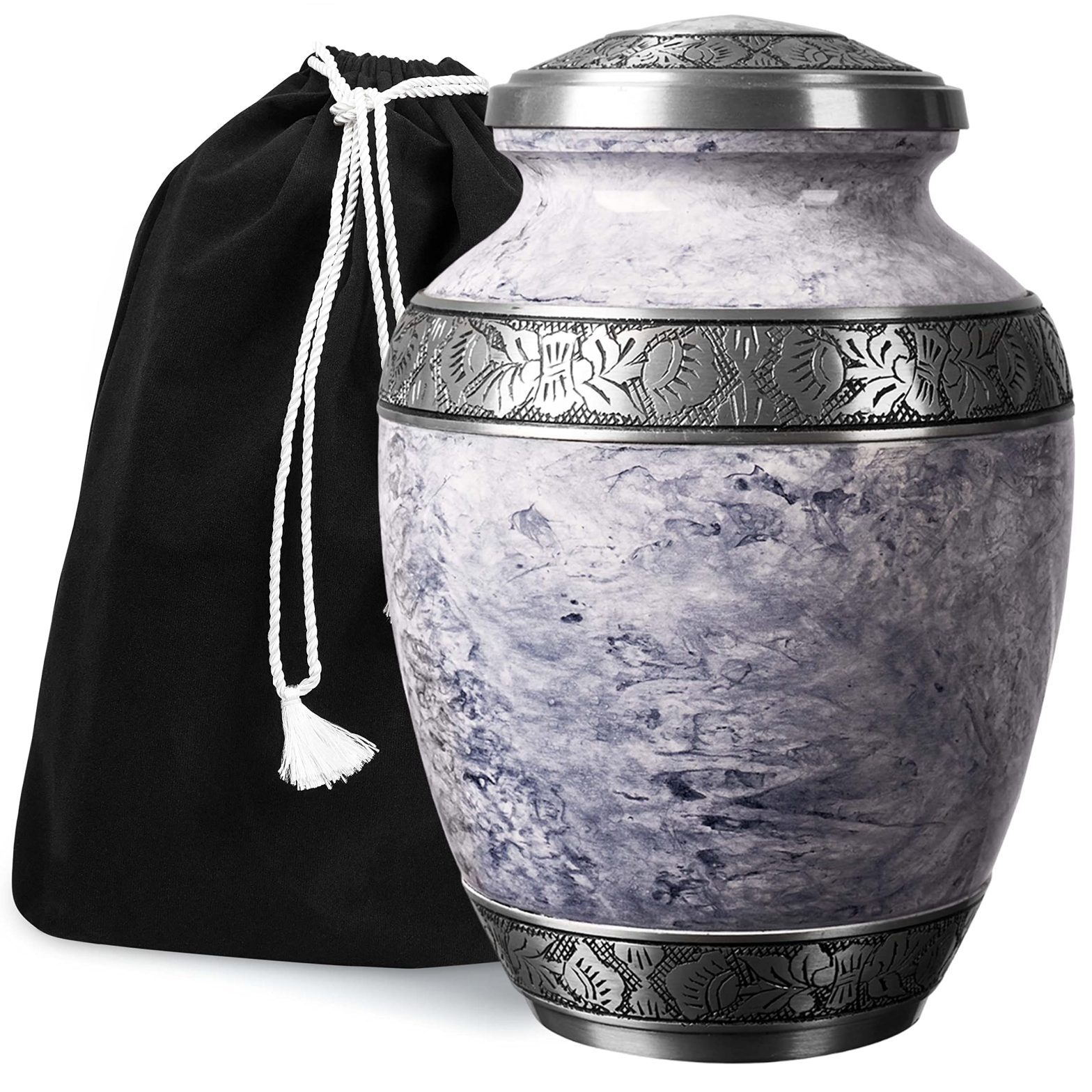
Cremation is the process of reducing a human body to its essential elements through intense heat. This process occurs in a cremation chamber, which reaches temperatures between 982 to 1093 degrees Celsius. The body is exposed to these high temperatures until it breaks down into bone fragments, which are then processed into a fine powder often called “cremains.” These remains can be kept in an urn, buried, or scattered, offering families various options for a final resting place.


Why Some Christians Choose Cremation

The Shift Towards Cremation
As burial costs rise, averaging around $20,000 for a basic funeral service, many families are turning to cremation, which can be significantly more affordable. Cremation also offers flexibility; families can decide how, where, and when to inter or scatter the ashes, often without the pressure of time-sensitive logistics.

However, despite these advantages, questions remain for Christians concerned about whether cremation is consistent with religious teachings. Let’s examine what the Bible says—or doesn’t say—about this choice.


What Does the Bible Say About Cremation?

Biblical Context
The Bible doesn’t explicitly endorse or prohibit cremation. Both the Old and New Testaments primarily describe traditional burial practices, which were the cultural norm in ancient times. Some believers interpret this as an indirect endorsement of burial. However, the absence of direct prohibitions against cremation suggests that it isn’t seen as sinful or irreverent within Christian doctrine.

Bible Verses About Cremation

Although the Bible doesn’t provide extensive guidance on cremation, a few verses indirectly address the concept through symbolic language around dust, ashes, and human mortality.

1 Samuel 31:12-13

“They took down the bodies of Saul and his sons from the wall of Beth Shan and went to Jabesh, where they burned them. Then they took their bones and buried them under a tamarisk tree at Jabesh and fasted seven days.”

This verse is one of the earliest references to cremation in the Bible. When King Saul and his sons died in battle, their bodies were burned before their bones were buried. Although it is not explained why cremation was chosen in this instance, the lack of condemnation or judgement implies that cremation was not inherently viewed as wrong.

Genesis 3:19

“By the sweat of your brow you will eat your food until you return to the ground, since from it you were taken; for dust you are and to dust you will return.”

Genesis speaks to the idea that human bodies, created from dust, will ultimately return to dust. Whether this process happens through natural decomposition or cremation is left open to interpretation, and many Christians find comfort in knowing that returning to dust aligns with scripture.

Ecclesiastes 3:20

“All go to the same place; all come from dust, and to dust all return.”

This verse from Ecclesiastes reinforces the notion that all humans return to dust. Often paraphrased as “ashes to ashes, dust to dust,” this verse is commonly cited in Christian funerals, reminding mourners of the natural end of physical life and, for some, providing reassurance that cremation fulfills this biblical symbolism.


Cremation in Biblical Times

While burial was the standard practice in biblical times, cremation did occur on occasion, though it was rare. In ancient Israel, burning bodies was sometimes practised in cases where a quick disposition of remains was necessary, often for practical or sanitary reasons. Cultural influences, including interactions with neighbouring societies where cremation was more common, may have also contributed to its occasional use.

Despite this, the primary burial practice in Israel remained interment in the earth, which many Christians interpret as a scriptural preference rather than a mandate.


Can Christians Be Cremated?

For Christians considering cremation, the lack of specific biblical prohibition means that personal choice can guide this decision. Many denominations now accept cremation as a valid option. However, individuals should consider their beliefs, cultural influences, and family traditions, while discussing options with religious leaders if guidance is desired.


Does the Bible Say a Cremated Body Cannot Rise?

One of the more significant concerns for Christians is whether cremation might interfere with resurrection beliefs. The Bible does not address this issue directly, but Christian doctrine teaches that God’s power is absolute, meaning that resurrection transcends any physical condition of the body. In other words, whether a body is buried intact or reduced to ashes, Christians believe that God can restore it in the afterlife.


Is Cremation a Sin?

Cremation is not considered a sin by most Christian denominations. The Bible does not explicitly label it as sinful, and its absence from prohibitive passages implies that it is a neutral practice within the faith. As with other personal matters, the choice to be cremated is seen as one of individual conscience.


Can Catholics Be Cremated?

The Catholic Church historically favoured burial, aligning with traditional practices seen in biblical accounts. However, since 1963, the Church has officially allowed cremation, provided that it is done respectfully and not as a denial of resurrection beliefs. According to Catholic guidelines, cremated remains should be buried in consecrated ground, such as a cemetery or columbarium, rather than kept at home or scattered. This respectful disposition aligns with Catholic views on honouring the human body as part of God’s creation.


Is Cremation Right for Me?

For Christians facing end-of-life decisions, cremation can be an option that respects both faith and practicality. Here are some factors to consider:

  • Cost: Cremation is often less expensive than burial, making it a practical choice for families mindful of financial constraints.
  • Environmental Impact: Cremation may reduce land use and environmental impact, a factor that some families appreciate.
  • Flexibility: Cremated remains can be stored, scattered, or buried according to family wishes, offering flexibility that traditional burial may not allow.

It can be beneficial to discuss these aspects with family members, considering how each choice aligns with personal values and spiritual beliefs.

The Choice is Yours

The Bible neither prohibits nor explicitly endorses cremation, allowing believers flexibility in making this choice. Various scriptures reference the notion of returning to dust, underscoring the temporary nature of our physical bodies and highlighting the importance of our spiritual existence over physical form. In the end, the decision between cremation and burial remains personal, shaped by individual beliefs, cultural traditions, and personal interpretations of scripture. This choice offers Christians the opportunity to honour their faith in a way that resonates with their values and spiritual understanding.

If you are considering options, we offer a comprehensive Christian funeral package that respects traditional values while accommodating both cremation and burial preferences. Our team is here to guide you through each step, ensuring a meaningful, respectful farewell that aligns with your beliefs.

Understanding Catholic Funeral Traditions: Honouring a Life and Faith in Singapore

In Catholic tradition, a funeral is a deeply reverent ritual that honours the life of the deceased and offers family and friends the opportunity to say farewell. This solemn series of ceremonies not only comforts those left behind but also upholds key Catholic beliefs about the afterlife and resurrection. In Singapore, where diverse faiths intersect, many Catholics seek to follow traditional funeral practices to respect these beliefs.

A Catholic funeral typically consists of three main rites:

  1. The Wake (or Vigil)
  2. The Funeral Mass
  3. The Committal

Each stage has its own purpose and follows specific practices to ensure that the deceased is respectfully honoured. Here’s an overview of each stage in detail.


1. The Wake (Vigil)

Purpose:
The wake, or vigil, marks the initial gathering of family and friends, typically within a day or two after the passing. This rite provides a space for shared grieving and remembrance in a peaceful setting.

Location and Setup:
In Singapore, wakes may be held at the family home, funeral home, or church. The venue is often set up with an altar and a photo of the deceased, surrounded by candles and floral arrangements. These elements hold symbolic significance, representing the light of Christ and the beauty of life.

Rituals:

  • Leading the Vigil: A Catholic priest usually leads the wake, guiding the mourners in prayer and offering words of comfort.
  • Prayers and Readings: Mourners recite prayers, including the rosary, and may read Bible passages that reflect themes of faith and resurrection.
  • Eulogies and Reflections: Family members and close friends often share eulogies, recounting memories and reflecting on the life of the deceased.
  • Community Support: This gathering allows people to comfort each other, creating a supportive space before the formality of the funeral mass.

2. The Funeral Mass

Purpose:
The funeral mass, held in a Catholic church, is the central ritual of the Catholic funeral process. It signifies the journey of the soul back to God, offering prayers for the deceased’s peace in the afterlife.

Key Traditions and Symbolism:

  • Procession of the Casket or Urn: To commence the mass, the casket (or urn, if cremation is chosen) is carried into the church. This symbolic act represents the deceased’s return to the house of God.
  • Holy Water Blessing: The priest may sprinkle the casket or urn with holy water to signify purification and blessing.
  • Placement of Sacred Items: Symbolic items, such as a crucifix or Bible, are often placed on or near the casket as reminders of faith.

Ceremony Structure:

  • Prayers and Hymns: The priest leads the congregation in prayers that highlight themes of resurrection and eternal life.
  • Communion: For those who are baptised Catholics, the Eucharist is offered as part of the mass. This sacred act brings the community together in faith and prayer.
  • Optional Personal Tributes: The family may request specific readings, hymns, or instrumental pieces that held meaning for the deceased, personalising the service while respecting the Catholic liturgical structure.

3. The Committal (Final Resting Place Ceremony)

Purpose:
The committal is the final act of the funeral, where the deceased is laid to rest in a cemetery or other sacred location. This stage is accompanied by prayers and blessings, embodying the Catholic belief in the resurrection.

Burial Traditions:

  • Lowering the Casket: If the deceased is being buried, the casket is carefully lowered into the ground.
  • Incense and Prayer: The priest waves incense over the casket, symbolising prayers rising to heaven. This fragrant smoke represents the hopes of the congregation that the deceased’s soul finds peace with God.
  • “Ashes to Ashes, Dust to Dust”: As the casket is lowered, the priest recites this line, reminding attendees of humanity’s return to the earth and God’s promise of eternal life.

Cremation Considerations:
While cremation is permitted, the Catholic Church stipulates that the ashes must be interred in a sacred place, such as a cemetery, columbarium, or memorial garden. Scattering ashes or keeping them at home is discouraged as Catholics believe that at the resurrection, the body and soul will be reunited.

Significance of the Final Resting Place:
For Catholics, choosing a resting place for the deceased that is sacred and secure is essential, as it aligns with beliefs surrounding resurrection and the respect for the human body.

Frequently Asked Questions About Catholic Funerals

Catholic funerals follow a structured set of traditions that reflect the faith’s values and beliefs, offering a meaningful way for family and friends to honour their loved one. Understanding the timing, structure, and customs involved can be helpful, especially during a difficult time. Below, we address common questions related to Catholic funeral practices, shedding light on essential details for those planning or attending a Catholic funeral in Singapore.


How Long After Death Should a Catholic Be Buried?

Catholic funeral practices typically schedule the funeral and burial between 2 to 7 days following the person’s passing, with the ideal timing being around the third day. This timing honours both practical and spiritual considerations, including the need for family to gather and prepare, as well as religious customs associated with mourning.

In Singapore, funerals are generally held on weekdays, while weekends may be reserved for other commitments or special services. Sundays, a sacred day for regular worship, are generally not chosen for funeral masses unless special circumstances arise.

Likewise, Holy Days of Obligation—such as Easter—are avoided for funerals, as these days are designated for specific religious observances within the Catholic calendar.

For families choosing cremation, additional time may be necessary. Receiving ashes post-cremation often requires a day or more, and planning should consider this timeline if a committal or placement ceremony is scheduled after the funeral mass.


What is the Order of a Catholic Funeral Mass?

The Catholic funeral mass is a solemn and structured ceremony with the following sequence:

  1. Introduction and Greeting by the Priest: The priest welcomes the congregation and provides opening words of comfort and spiritual guidance.
  2. Procession: The priest, family, and casket or urn enter the church together, symbolising the deceased’s final return to the house of God. This procession is usually accompanied by sacred music or hymns.
  3. Hymns and Opening Prayers: Hymns are sung, and prayers are recited to create an atmosphere of reverence. These elements offer peace and reflection for mourners.
  4. Scripture Readings: Selected passages from the Bible, often chosen by the family or the priest, are read. These readings reflect the themes of hope, resurrection, and eternal life in accordance with Catholic beliefs.
  5. Homily: The priest delivers a homily, speaking about faith, resurrection, and the eternal peace awaiting the deceased in God’s presence.
  6. Eucharistic Rite (Holy Communion): For practising Catholics, the Eucharistic rite, or communion, forms a central part of the mass. Only Catholics who have been baptised and are in good standing with the Church receive the Eucharist, as it signifies unity in faith.
  7. Final Prayers and Blessing: The congregation prays for the deceased’s soul, seeking God’s mercy and blessing. The priest sprinkles the casket or urn with holy water in a final act of purification and blessing.
  8. Recession: The casket is carried back down the aisle and out of the church, symbolising the deceased’s return to God. The family and congregation follow, concluding the church service.

This order allows family members and friends to express their grief and say farewell in a dignified, sacred setting, reinforcing their hope in the resurrection and eternal life.


How Long Does a Catholic Funeral Last?

A Catholic funeral mass typically lasts 30 to 60 minutes. The shorter end of this range includes a simple service without Holy Communion, while a full mass with communion extends to an hour.

The rite of committal, held at the burial site or crematorium, is conducted on the same day and generally takes an additional 45 minutes. This final rite includes prayers, blessings, and the physical act of interment, whether through burial or another approved resting place. Altogether, including the wake, mass, and committal, Catholic funeral ceremonies generally span over two days.


What Should I Wear to a Catholic Funeral?

In line with many traditional customs, attendees of a Catholic funeral are encouraged to wear black or dark-coloured clothing as a mark of respect and humility. Dark clothing signifies solemnity and aligns with the atmosphere of mourning and reverence. Modesty is also an important consideration; it’s recommended to cover shoulders, knees, and avoid overly casual attire.

However, some families may prefer a more celebratory approach, where brighter colours reflect the joy and memories of the departed’s life. In such cases, it is courteous to discuss this with the priest beforehand, as they may have guidelines or preferences for such an arrangement. Alternatively, some families hold a celebration of life service separately, often a week or two after the traditional funeral, allowing attendees to dress more casually and reflect on positive memories.


Are There Flowers at Catholic Funerals?

Flowers are a traditional element of Catholic funerals, symbolising beauty and purity. The family often arranges floral decorations for the casket and church, choosing arrangements that reflect Catholic customs.

In Singapore, commonly chosen flowers for Catholic funerals include lilies, roses, and chrysanthemums, which are both visually elegant and aligned with traditional preferences. However, balloons, stuffed animals, and other decorative elements are discouraged, as Catholic services maintain a solemn tone and do not typically incorporate whimsical items.


Planning a Catholic Funeral

Planning a Catholic funeral requires coordination between family members, the priest, and possibly a funeral home. Here’s a step-by-step overview:

  1. Consulting the Priest: The family first speaks with the priest, who will guide them through the various rites, including the wake, mass, and committal, and help arrange dates.
  2. Engaging a Funeral Home: Many families choose a funeral home to handle logistical details such as embalming, casket selection, and floral arrangements. Funeral homes can also assist in arranging venues for the wake and liaising with the church.
  3. Selecting Burial or Cremation: The family must decide whether to bury or cremate the body, considering Catholic teachings that favour burial but permit cremation under certain conditions.
  4. Planning for Committal: The rite of committal is held at a cemetery or approved resting place. Families need to coordinate with cemetery management or another site to secure an appropriate space for interment.

End-of-Life Planning for Peace of Mind

While contemplating end-of-life arrangements can be difficult, planning ahead ensures that your wishes are respected, and your loved ones are relieved from making stressful decisions in a time of grief. Catholics may prepare their plans by consulting with their local parish or a Catholic funeral service provider, recording specific requests, and arranging finances to cover costs.

Advanced planning may also include choosing hymns, readings, and other aspects of the service, allowing the family to focus solely on grieving and honouring their loved one when the time comes.


Alternative Funeral Options

Some people prefer a blend of traditional and contemporary elements in their funeral, which can be arranged in consultation with a Catholic priest. For example, a family may conduct a traditional wake and funeral mass but opt for a unique committal service, such as planting a memorial tree where the ashes can be interred.

It’s worth discussing these preferences with the priest and funeral director to ensure that personal touches are included respectfully within Catholic guidelines. The goal is to create a meaningful ceremony that honours both religious beliefs and personal wishes.

How to Apply for Death Extract?

If you’ve misplaced or lost an original birth or death certificate in Singapore, you can apply for a digital extract through the Immigration and Checkpoints Authority (ICA). All extracts issued from 27 March 2023 onwards are in digital form.

Eligibility

  • Birth Extract: The birth certificate holder (aged 21 and above), their parent, legal guardian, or a solicitor acting on behalf of any of these individuals.
  • Death Extract: The deceased’s parent, grandparent, child, grandchild, spouse, legal guardian, sibling, or a solicitor acting on behalf of any of these individuals.

Required Information

  • Birth Extract Application:
    • Name, sex, and date of birth as stated on the birth certificate.
    • Singapore Birth Certificate number or NRIC number of the birth certificate holder.
  • Death Extract Application:
    • Name, sex, and date of death as stated on the death certificate.
    • Singapore Death Certificate number or the deceased’s NRIC number.

Application Process

  1. Online Application:
    • Visit the ICA’s e-Service portal to apply online.
    • Complete the application form with the necessary information.
    • Pay the application fee of S$40 per extract.
  2. Processing Time:
    • Applications are generally processed within six working days.
    • Upon approval, an email notification will be sent, allowing you to download the digital extract within 30 days.

Important Notes

  • Ensure all provided information is accurate to facilitate processing.
  • Application fees are non-refundable, even if the application is rejected or the search yields no results.
  • Save the digital extract securely for future reference.

How to Check Death Records in Singapore?

In Singapore, death records are maintained by the Immigration and Checkpoints Authority (ICA). To access these records, you can apply for a digital death extract through the following steps:

  1. Eligibility: Ensure you are one of the following eligible applicants:
    • Parent or grandparent of the deceased
    • Child or grandchild of the deceased
    • Spouse of the deceased
    • Legal guardian of the deceased
    • Sibling of the deceased
    • Solicitor acting on behalf of any of the above
  2. Required Information: Prepare the following details about the deceased:
    • Full name (as stated on the death certificate)
    • Sex
    • Date of death
    • NRIC number or Singapore Death Registration/Certificate number
    If you lack some of this information, you can request a search of the death records by providing:
    • Deceased’s name
    • Sex
    • Approximate date or period of death
    • Place or address where death occurred (if available)
    • Last known address (if available)
  3. Application Process:
    • Visit the ICA’s e-Service portal to apply online.
    • Complete the application form with the necessary information.
    • Pay the applicable fees:
      • S$40 for a death extract application.
      • For a search of records before 1 January 1986, S$50 for every month or part thereof in the search period. Immigration & Checkpoints Authority
  4. Processing Time:
    • Death extract applications are typically processed within one week.
    • Search applications may take up to three weeks, depending on the search period.
  5. Accessing the Digital Death Extract:

Please note that from 27 March 2023, all death extracts are issued in digital form. Ensure you save the digital extract securely for future reference. For more detailed information, refer to the ICA’s official guidelines.

What Happened to Singpass After Death?

Upon an individual’s death, their Singpass account is deactivated to prevent unauthorised access to personal information. This measure ensures the security and privacy of the deceased’s data.

For family members or authorised individuals seeking access to the deceased’s Central Provident Fund (CPF) information, the process varies depending on the date of death notification to the CPF Board:

  • If the CPF Board is notified on or after 1 February 2024: Eligible family members can request access to the deceased’s CPF account information via the Deceased CPF Member Dashboard using their own Singpass credentials. If they do not have Singpass, they can submit a request through the appropriate channels.
  • If the CPF Board is notified before 1 February 2024: Only individuals authorised by the deceased can view the CPF account information. Authorised persons should submit a request to access the deceased member’s CPF account details.

It’s important to note that Singpass accounts are personal and non-transferable. Therefore, family members cannot use the deceased’s Singpass credentials to access their information. Instead, they should follow the official procedures outlined by the relevant authorities to obtain necessary information or manage the deceased’s affairs.

How to Book Choa Chu Kang Columbarium?

Storing Ashes in a Columbarium

Cremated ashes can be stored either at home or within a columbarium. If you choose the latter, we can help you book a niche at one of Singapore’s government-managed columbaria or a private columbarium based on your preference. Our funeral directors are on hand to guide you through this process and help secure the best option.

Government-Managed Columbaria in Singapore

1. Mandai Crematorium and Columbarium Complex

  • Address: 300 Mandai Road, Singapore 779393
  • Contact: Tel: 6554 5655 | Fax: 6459 5228
  • Opening Hours:
    • Monday to Friday: 8:30 am – 4:30 pm
    • Saturday: 8:30 am – 12:30 pm
    • Closed for lunch: 1:00 pm – 2:00 pm

2. Choa Chu Kang Columbarium

  • Address: 51 Chinese Cemetery Path 4, Singapore 698932
  • Contact: Tel: 6795 9731 | Fax: 6795 0885
  • Opening Hours:

    • Monday to Friday: 8:30 am – 4:30 pm
    • Saturday: 8:30 am – 12:30 pm
    • Closed for lunch: 12:30 pm – 1:30 pm

How to Get to Choa Chu Kang Columbarium

From Boon Lay Bus Interchange:

  • Bus Service 172: This daily service connects Boon Lay Bus Interchange to the vicinity of the columbarium.
  • Bus Service 405: Operating only during specific periods, such as Qing Ming, Good Friday, and Hari Raya Puasa, this service provides direct access to the columbarium from Boon Lay Bus Interchange.

From Choa Chu Kang MRT Station:

  • Bus Service 975: Board this bus from the bus stop at Choa Chu Kang Avenue 4, opposite Lot 1 Shopping Mall. It travels towards Lim Chu Kang Road, passing near the columbarium.

Additional Information:

  • Shuttle Bus Services: During peak periods, shuttle buses may operate between Choa Chu Kang MRT Station and the columbarium, typically running at 30-minute intervals from 7:00 am to 5:00 pm. Please check the National Environment Agency (NEA) advisories for specific dates and times.

To reach Choa Chu Kang Columbarium by car, follow these directions:

  1. Starting Point: Begin your journey from your current location in Kampong Pachitan, Singapore.
  2. Head Towards Choa Chu Kang Road: Navigate to Choa Chu Kang Road, which is accessible via major expressways such as the Pan Island Expressway (PIE) or Bukit Timah Expressway (BKE), depending on your starting point.
  3. Proceed to Old Choa Chu Kang Road: Once on Choa Chu Kang Road, continue until you reach Old Choa Chu Kang Road.
  4. Turn onto Chinese Cemetery Path 4: From Old Choa Chu Kang Road, turn onto Chinese Cemetery Path 4. The columbarium is located at 51 Chinese Cemetery Path 4, Singapore 698932.

Parking Information:

  • On-Site Parking: The columbarium provides parking facilities for visitors. During peak periods, such as Qing Ming Festival, parking may be limited. It’s advisable to arrive early or consider alternative transportation during these times.

Additional Tips:

  • Check Traffic Conditions: Before your journey, check real-time traffic updates to avoid delays.
  • Use GPS Navigation: Utilise GPS navigation systems or map applications for precise directions and estimated travel times.

Booking a Niche

You may reserve a niche at Mandai or Choa Chu Kang Columbarium in person at the respective Columbarium Booking Office during operating hours or call them at 6795 9731. Please note: Yishun and Mount Vernon Columbaria no longer accept new bookings.

Fees for Government-Managed Columbaria

Type of Niche Fee*
Standard Niche $500
Family Niche $900

If you wish to select a specific niche location, an additional selection fee of $250 applies.

At FuneralServices.sg, our goal is to ensure a respectful, seamless process tailored to your family’s needs, and our experienced directors are here to support you every step of the way.

What is the Mandai Crematorium Schedule Today?

Singapore’s Mandai Crematorium provides essential cremation services, offering a peaceful environment for families and loved ones to bid farewell. For those seeking the latest schedule for cremation times at Mandai Crematorium, it’s essential to know where and how to access the information accurately, as this helps families plan and ensure a seamless, dignified farewell.

Accessing the Mandai Crematorium Schedule

The National Environment Agency (NEA) manages the cremation schedule for Mandai Crematorium and maintains an up-to-date listing through its ePortal. Here is a step-by-step guide on how to access today’s cremation schedule for Mandai Crematorium.

  1. Visit the NEA ePortal Website
    • To start, navigate to the NEA ePortal, which centralises all essential services related to end-of-life arrangements in Singapore. The NEA ePortal covers everything from cemetery management to cremation scheduling, allowing users to access information quickly and securely.
  2. Select “Cremation Services”
  1. On the NEA ePortal, look for the section titled “After Death Services.” Under this section, you’ll find an option called “Cremation Services.” This area provides information specifically about cremation timings, venues, and any other relevant guidelines or services that families may need to be aware of when planning cremations.
  2. Login Using Singpass
    • To view today’s detailed cremation schedule for Mandai Crematorium, you must log in via Singpass, Singapore’s secure, government-backed digital identity service. Singpass ensures that only authorised individuals have access to this sensitive information, maintaining privacy and security for all parties involved.

Why the NEA ePortal Schedule is Essential

Accessing the schedule directly through NEA’s ePortal ensures that you receive the most accurate, up-to-date information. Due to high demand, cremation schedules may change based on the availability of slots, special requests, or other considerations. By checking the schedule online, you can avoid any last-minute issues and confirm timing in advance.

Additional Considerations for Cremation Services

  • Booking in Advance: While accessing the current schedule, families are advised to book services in advance whenever possible to ensure preferred timings.
  • Following NEA Guidelines: It is important to be aware of NEA’s guidelines on the conduct and protocols during cremations. The agency provides details on everything from ceremony etiquette to COVID-19 restrictions, if applicable, helping families plan appropriately.
  • Support Services: NEA also provides resources for other services related to cremation, such as booking services for scattering ashes at sea or options for memorialisation.

A Dignified Farewell for Loved Ones

By understanding and utilising the resources provided on NEA’s ePortal, families can ensure a respectful and dignified farewell for their loved ones at Mandai Crematorium.

Why FuneralServices.sg is the No.1 Funeral Service in Singapore

For those navigating the loss of a loved one, finding a reliable Funeral Services provider in Singapore is crucial to ensuring a dignified farewell. This is complemented by supportive elements like crafting a heartfelt condolence message to honor the deceased.

Funeral Services Singapore brings over 40 years of experience in managing funerals across all major religious practices in Singapore.

Our services are comprehensive and respectful, accommodating the specific rituals and customs associated with each faith, including:

Buddhist Funeral Packages

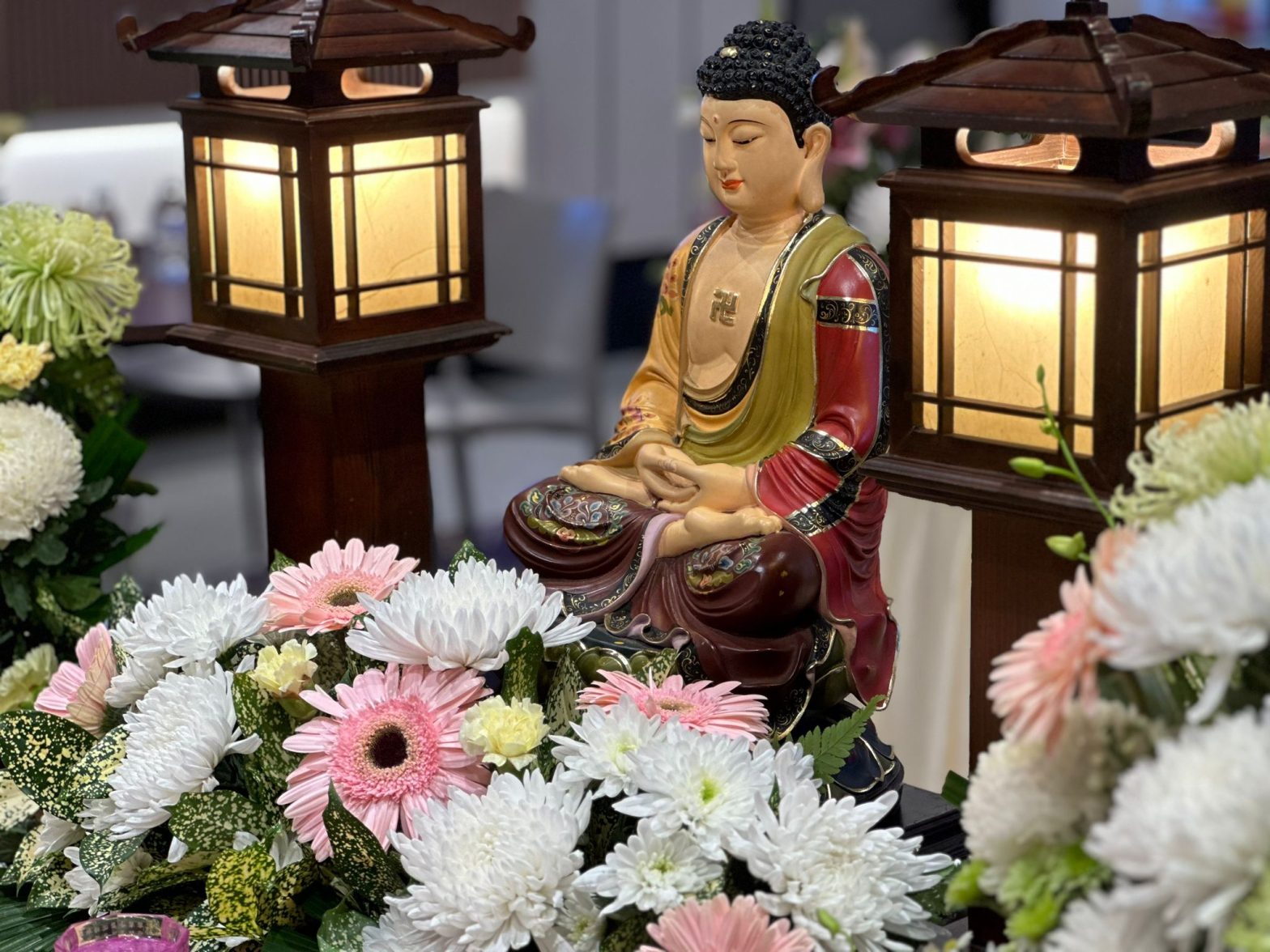
Our Buddhist funeral in Singapore is conducted with deep respect for Buddhist customs and spiritual values, ensuring a peaceful transition for the deceased. Our package includes professional embalming, body care, and a wake setup either at an HDB void deck or funeral parlour.

Buddhist monks are engaged for chanting during encoffinment, the final night, and the funeral day. We also provide a complete Buddhist altar with offerings, floral arrangements, photo enlargement, a condolence booklet, and a Mercedes Vito hearse for transport. Cremation coordination is included, and optional services such as vegetarian catering and paper effigies are available to personalise the farewell.

Taoist Funeral Packages

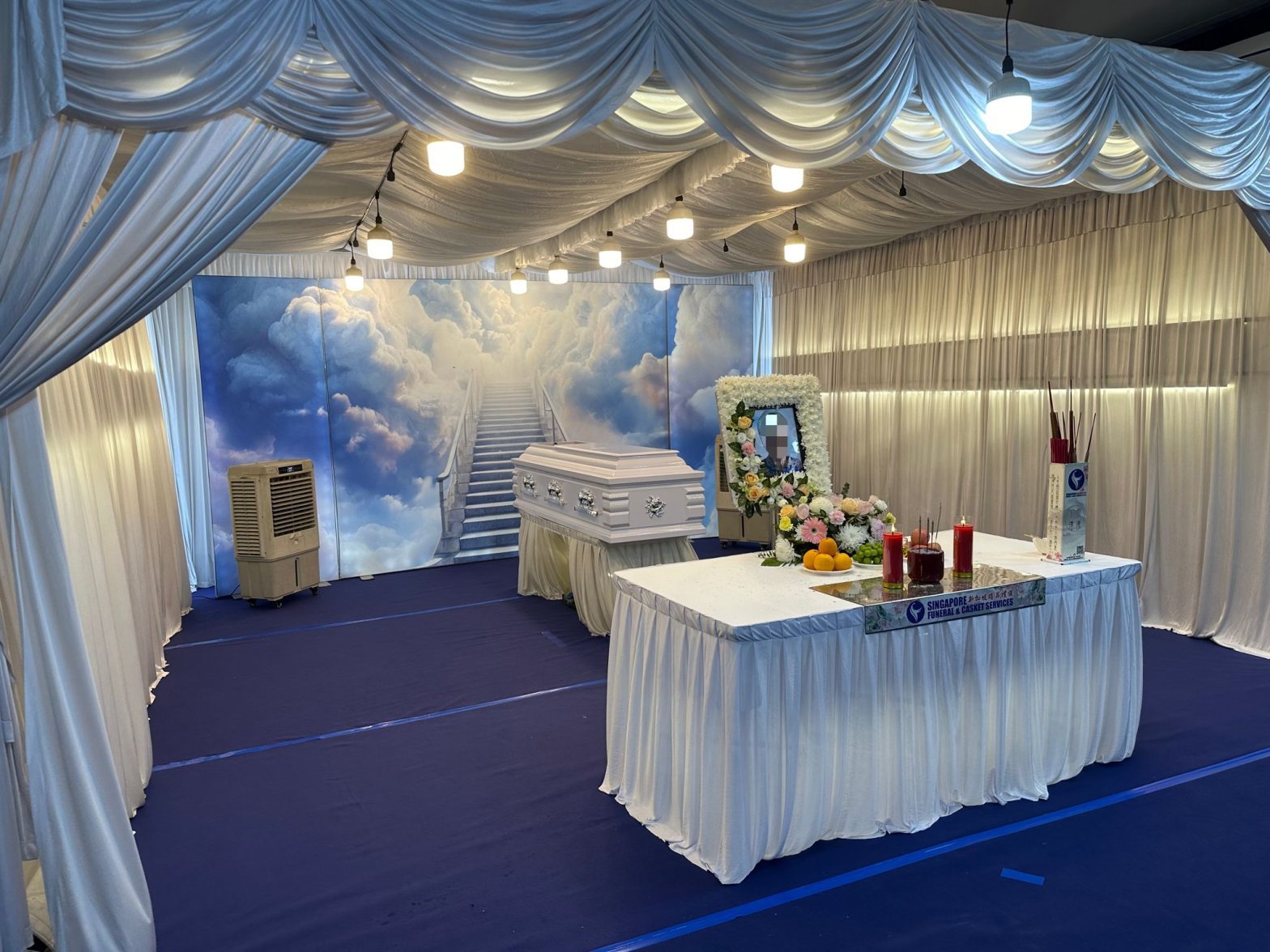
Our Taoist funeral in Singapore follows complex religious rites unique to each dialect group such as Hokkien, Teochew, or Cantonese. Our Taoist funeral package includes traditional casket furnishings, embalming by licensed female embalmers, and comprehensive transport from hospital to wake venue. The wake is held at a fully furnished void deck with Taoist-themed decorations, joss paper, lanterns, and deity tablets.

Taoist priests perform chanting rituals across multiple days, and extensive paper offerings including paper houses and servants are provided. The package also covers a glass hearse, cremation arrangements, and support for dialect-specific customs.

Christian Funeral Packages

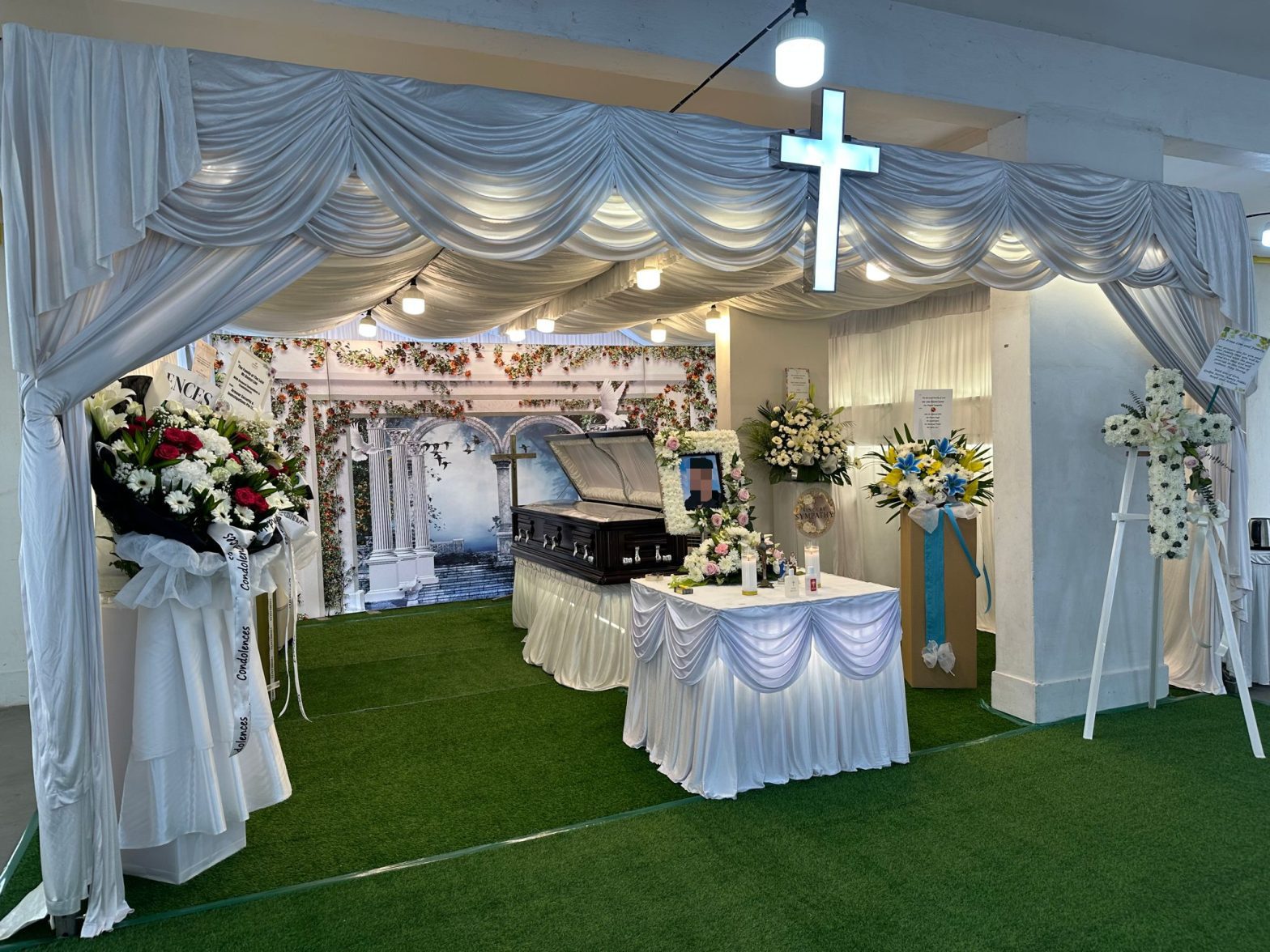
Our Christian funeral in Singapore focuses on celebrating the life of the deceased while upholding Christian beliefs. Our Christian funeral package includes body embalming, a respectful wake setup with religious décor, and a memorial altar featuring a cross, floral arrangements, and photo displays.

We liaise with churches for scripture readings or services, and provide transport using a glass hearse and suited pallbearers. Condolence booklets, guest reception services, and a 45-seater coach are included. The package also offers support for cremation or burial, with optional services like video tributes or live music.

Catholic Funeral Packages

Our Catholic funeral in Singapore includes the full sequence of Catholic rites—from the Vigil to the Funeral Mass and Rite of Committal. Our package features embalming, a half-glass casket with crucifix, and a wake arrangement with Catholic-themed items such as holy water and candles. The altar includes floral arrangements, photo frames, and religious icons.

We coordinate directly with Catholic parishes and arrange rosary recitations and Mass scheduling. A glass hearse and pallbearers handle transport, and cremation or burial logistics are included. Guests are supported with booklets, safe boxes, photo keepsakes, and flower water.

Soka Funeral Packages

Our Soka funeral in Singapore is conducted according to Soka Gakkai traditions, focusing on humanistic Buddhist values and community chanting.

This package includes embalming, dressing, and a wake setup centred around a Soka altar featuring Nichiren Daishonin’s image. Soka Gakkai members conduct Nam-myoho-renge-kyo chanting sessions. The service also includes floral arrangements, photo enlargement, condolence materials, and transport via a hearse. Cremation is coordinated professionally, with optional services such as extended chanting, photography, and video tributes available for families.

Sea Burial Services

Our sea burial in Singapore is a serene, environmentally friendly option for those who wish to return their loved ones to nature. Our sea burial package includes NEA permit application, collection of ashes from the crematorium, and chartering of a ferry or yacht to the official site 2.8 km south of Pulau Semakau.

A biodegradable urn is available, and family members may scatter loose flowers during a short farewell ceremony at sea. Optional services include religious officiants, photo or video coverage, and keepsake tokens to remember the occasion.