What Is Another Name For A Funeral Reception?

If you’re in the midst of preparing a funeral wake for your loved one, you probably have numerous questions in mind. We’ve addressed some of the most prevalent queries in our guide. A funeral wake provides a special opportunity for mourners to share memories in a more relaxed setting.

What is a Wake?

A wake, also known as a funeral reception, is an occasion when close friends and relatives of the dead get together to pay their respects to their loved one. Traditionally, a wake refers to the viewing conducted before the funeral, but today it’s frequently held after the funeral or memorial ceremony. The tradition of a wake has evolved over time to suit modern preferences and customs.

What is the Difference Between a Wake and a Funeral?

A funeral is more formal than a wake and is often conducted by a funeral celebrant or religious authority. A funeral also follows a certain sequence of service and may be led by religious ceremonies and rituals. In contrast, a wake is more relaxed and focused on the mourners gathering together and commemorating the life of the person who died. Both serve important but distinct roles in the mourning process.

What Occurs During a Funeral Wake?

Family and friends will share recollections of the person who has died, and generally celebrate the life of their loved one. Some grieving families may opt to arrange an event for the mourners to participate in, such as planting a memorial tree. Any mourners who were unable to make the funeral ceremony may attend the wake, even small children. Food and drink are frequently offered, creating a communal atmosphere of remembrance.

What Do You Do During a Funeral Wake?

A wake is a nice occasion to talk to friends and relatives of the departed person, and maybe share a story or memory that you are especially fond of. It’s a moment to show emotional support and solidarity with the family, providing comfort through shared experiences.

What to Bring to a Funeral Wake?

Unless a close family member of the dead requests you to bring anything in particular, maybe a food dish if there is no catering, you only need to bring yourself. Some participants may bring a card to present to the grieving family. Bringing something heartfelt, even if it’s just a kind word, is always appreciated.

What Do You Wear at a Funeral Wake?

A wake will normally follow on from the funeral, either at the same place or one nearby, so you will likely remain in the same clothing you wore to the ceremony. For additional advice on what to wear to a funeral, visit our guide. Wearing respectful attire is important to honour the solemnity of the event.

Do You Have to Conduct a Wake After a Funeral?

This will rely on the desires of the individual who has died and their remaining relatives. A wake is a suitable opportunity for mourners to get together in a less formal environment than a funeral ceremony, which is why many people opt to hold one. It can be tailored to suit the preferences and wishes of the family and deceased.

Should I Attend Both the Wake and the Funeral?

It is respectable to attend both, but not required. If you don’t feel comfortable attending the wake, or you have a previous engagement you can’t avoid, it’s courteous to let the bereaved family know in advance — a phone call or message is typically suitable. Your presence, whether at the funeral or wake, can be a meaningful gesture of support.

How Long Does a Wake Last?

The normal wake will take a couple of hours, but you don’t have to remain for the entire thing. Staying as long as you feel appropriate or comfortable is sufficient to show your respects.

How to Organize a Funeral Wake

  • If you have been placed in charge of planning a wake, here are some things you need to consider
  • Guests: you need to specify whether you want the wake to be public (all people may attend) or private (invitation only).
  • Location: There are numerous alternatives when it comes to where you wish to hold the wake. The most frequent are a family house, church hall, social club, or function space of a nearby restaurant/bar/hotel. There is also the opportunity to select something more distinctive to represent the characteristics of the departed, maybe a vineyard or bowling alley.
  • Food and drink: Depending on the budget, you may decide to hire a caterer or manage the food and drink yourself. Buffet-style food such as sandwiches, sausage rolls, and chips are particularly typical during a wake.
  • Entertainment: If the funeral is following the theme of a celebration of life, you may decide to integrate some type of entertainment such as live music or a performance. Personalising the event can make it feel more like a heartfelt celebration.

What Are Some Unique Ideas for a Funeral Wake?

  • Plant a memorial tree
  • Get everyone to wear a specific color
  • Write entries in a memory book
  • Host a slideshow featuring images and videos of the deceased

These creative touches add a personal and meaningful element to the gathering, allowing mourners to remember their loved one in a unique way.

What Is The Difference Between A Memorial Service And A Funeral Service?

Every family is distinct and how they choose to memorialize a loved one’s loss is as unique as the family. No matter the sort of ceremony you prefer, our compassionate and professional team will help you design a bespoke service that allows you to celebrate a life well lived. But what is the ideal decision for you and your family? Each sort of service has their own distinct advantages and we will happily discuss the differences during the arrangement meeting.

Our goal is to ensure that every detail reflects the wishes of both the departed and their family.

In years ago, many families would chose to conduct a conventional funeral ceremony to memorialize their loved one. However, as the popularity of cremation continues to expand, more and more families are increasingly opting to arrange a more engaging and individualized memorial ceremony or celebration of life. The shift reflects changing perspectives on how we honour our loved ones in today’s society.

To assist you understand the distinctions between a funeral vs memorial service or a memorial service vs celebration of life, we’ve prepared this guide to help you make educated selections. This guide will give you a clear overview to make the decision-making process easier for your family.

Funeral versus Memorial Service

In many respects, a memorial ceremony is really fairly similar to a funeral service. A funeral ceremony happens when the corpse is present and includes four major parts: the visitation, funeral, committal, and reception. In contrast, a memorial ceremony has much of the same framework albeit the deceased’s corpse is not present during the event. The structure of the service may still provide the same comfort to those who are mourning.

In all circumstances, memorial ceremonies and funerals contain religious components, a eulogy, readings, prayers, music, and meditation. They both also follow a similar schedule of services except there is no wake before a memorial ceremony. The absence of a wake allows for more flexible planning when arranging a memorial.

Because a memorial ceremony happens after the remains have been cared for, there is frequently greater space for creativity. This is because your family may take more time to prepare a ceremony and determine how you want to pay respect to your loved one. Personal touches can be added, making the event feel more customized and unique.

Celebration of Life Versus Funeral

It’s strange; funerals and celebrations of life have much in common, although they frequently look very different in execution. Each is a ceremony; a gathering of individuals who share a shared grief. It’s only that one is more founded in tradition, while the other is the outcome of recent shifts in societal ideals. In any scenario, both serve to perform the same three objectives. Both ceremonies honour the deceased, providing a meaningful farewell for those left behind.

Help the grieving family, and their community, officially commemorate the passing of one of their own. These ceremonies serve as a bridge between the past and the future, offering closure for the grieving.

Support the bereaved family by surrounding them with sympathetic friends, co-workers, and neighbors. The presence of others who care can lighten the burden and bring comfort during these difficult times.

Celebrate a life filled with memories and accomplishments. Each memory shared reinforces the legacy of the deceased, making their presence felt long after they have gone.

A celebration of life varies from a funeral in that it’s frequently a more relaxed and less organized affair. Many families view a celebration of life to be more of a casual and party-like environment with visitors arriving to honor a life well lived. A celebration of life may or may not contain components from a typical funeral ceremony, however the option is left up to the family. The more informal tone can make it feel like a joyous gathering rather than a somber event.

Memorial Service Versus Celebration of Life

In many respects, a memorial ceremony is comparable to a celebration of life. We prefer to regard a memorial service as a combination between a funeral and celebration of life. Much like a celebration of life, memorial services are frequently less formal than a regular burial ceremony and both occur after the remains have been cared for. The informal nature allows family and friends to focus on memories rather than traditional rituals.

Still Not Sure – Talk to Us

We’ve had years of expertise listening, thinking, and advising families how they might best pay respect to a valued family member. That means we’re the best individuals to assist you in choosing between a funeral service, memorial service, or celebration of life. We’ll examine your funeral service alternatives with you in depth, taking all the time you need. Our dedication is to ensure that your wishes and those of the departed are fully honored. Call us today.

What Is The Purpose Of The Funeral Service?

A memorial ceremony, funeral, or other kind of gathering provides comfort and solace when a loved one dies. At a funeral, the emphasis is on the social, spiritual, and psychological aspects of the deceased. These events allow the grieving family and friends to come together to support one another.

They assist us in recognizing the death of a loved one. The act of acknowledging loss helps begin the grieving process.

They allow friends and relatives to bid farewell. This final goodbye is a significant step toward acceptance and healing.

These get-togethers give the living hope and act as a support system. They serve as a reminder that no one is alone in their grief.

What Does a Funeral Service Do For Family & Friends?

You are free to choose how traditional or contemporary you want your funeral to be. Mourning and grief manifest in unique ways for each individual. No matter the style of the funeral, meeting with loved ones to pay respects helps celebrate the life lived and the life’s work while also bringing those who are mourning closer together at this difficult time. Funeral services act as a bridge between the past and the present, allowing a peaceful transition of emotions.

You Will Benefit From a Memorial Service or Funeral Program:

Fulfill Cultural & Religious Obligations:
Funeral ceremonies will seem vary based on cultural values and religion. For others, having a formal ceremony helps us to fulfill specific cultural and religious duties to the departed and the surviving family and community members. These obligations often bring a sense of closure and fulfillment to those mourning.

Pay Your Respects:
A funeral ceremony pays honor to the person’s life. The event itself is a method to accept the departure of a loved one while commemorating the person’s life and achievements. It’s another method to express respect and reverence for the departed. The rituals help create a lasting tribute that allows others to reflect on the deceased’s legacy.

For others, expressing good recollections or cherished moments from the person’s life is another method to demonstrate their respect for the gone. Remembering someone via shared experience helps the living to find solace in situations that no longer involve the person who has departed. These shared memories help maintain the emotional connection to the deceased long after they’re gone.

Start the Mourning Process:
Providing guidance at a time when it is needed most is one of the most profound advantages of a funeral service. This is a sad, trying moment for everyone. Gathering with friends and family members to say farewell is generally the first step in mourning. Rather than keeping our feelings bottled up, we may mourn in a safe and supportive setting. The process allows emotions to be expressed openly and shared by all present.

The death of a loved one may be traumatic. However, with the aid of friends and family, we may lighten our emotional loads and express our sentiments. In addition, the funeral ritual helps legitimize complicated feelings as part of the normal mourning path. The collective mourning experience can help foster a sense of healing.

Reconnect With Friends & Family:
Funeral visitation is a time to witness how much people cared for the person who has gone on. It serves as an opportunity to rekindle relationships that may have lapsed over time.

Close relatives and friends and folks you may not have seen in a while all come together in this time of need to provide assistance. Having this support system to share memories, tell tales, and respect the gone helps soothe the living. This moment of unity strengthens bonds among those left behind, creating a lasting sense of community.

Say Goodbye:
Funerals foster the acceptance of death. Healing and understanding are part of the grieving journey but acknowledging a loved one will not return comes first in the healing process. Accepting this reality is often the most challenging part of grief, but funerals provide the space for that acknowledgment.

At the same time, funerals bring a feeling of finality. It’s the time and place to feel vulnerable, protected, and emotional while surrounded by others going through similar feelings. For many, funerals are the final opportunity to say goodbye or tell a loved one things we didn’t say during their existence. This final farewell helps bring peace and closure to the hearts of the bereaved.

The Meaning of Funeral Ceremony Rituals

Communities around the globe memorialize their deceased with funeral traditions. It’s a custom prevalent in every country and community. Funerals can offer order and organization to life’s most traumatic moments. Whether a mourning family decides to have a funeral procession, funeral viewing, or another form of ceremony to pay their respects, these traditions offer a means to share our innermost thoughts and emotions along with family and friends. These shared rituals give a sense of structure to a time of chaos and confusion.

Regardless of religious origins and views, joining together helps unify mourners and offers a feeling of calm for the surviving family members. There is no right or wrong way to say goodbye to someone you care about. Some families may want to have a funeral guest book where guests may write a thought for the departed or their mourning family. Other families choose for a presentation of photographs or a photobook to commemorate the departed. These gestures offer a meaningful way to preserve the memory of the deceased for future generations.

Cheapest Funeral Service in Singapore

When a loved one passes, most families aren’t thinking about cost — but within a day or two, someone has to. At Funeral Services (Singapore Funeral & Casket Services Pte Ltd), we’ve arranged funerals from as lean as SGD 1,200 for a direct cremation to full multi-day wakes, and the honest truth is that the price swings almost entirely on four decisions: the casket, the venue, the length of the wake, and how elaborate the rites are. Here’s how each one actually breaks down, and where families genuinely save money without the send-off feeling cut-rate.

funeral

When a loved one passes, most families aren’t thinking about cost — but within a day or two, someone has to. At Funeral Services (Singapore Funeral & Casket Services Pte Ltd), we’ve arranged funerals from as lean as SGD 1,200 for a direct cremation to full multi-day wakes, and the honest truth is that the price swings almost entirely on four decisions: the casket, the venue, the length of the wake, and how elaborate the rites are. Here’s how each one actually breaks down, and where families genuinely save money without the send-off feeling cut-rate.

If cost is the primary concern and a wake is not required, a direct cremation is the lowest-cost way to arrange a dignified send-off in Singapore. It involves three steps only:

  1. Collection of the deceased from the place of death (hospital, home, or hospice)
  2. Basic body care and dressing of the deceased
  3. Transport to Mandai Crematorium for cremation, with no wake in between

1. The Casket Is Usually the Biggest Line Item

Caskets range from a plain wooden casket (SGD 800–1,200) to a laminated casket (SGD 1,200–2,000) with a polished finish, up to a customised casket (SGD 2,500–5,000) with religious engravings or personal touches. For cremation especially, a laminated casket is the sweet spot most families land on — it looks dignified in an open-casket wake but doesn’t carry the premium of solid hardwood, which matters less once cremation happens anyway.

Our advice: if you’re planning a closed-casket or direct cremation, don’t pay for embalming or a display-grade finish you won’t need — that alone can save several hundred dollars.

2. Venue: HDB Void Deck vs Funeral Parlour

This is usually the single biggest cost decision after casket choice, and it varies noticeably by religion because of how much space and equipment different rites require.

HDB void deck or multi-purpose hall

This remains the most common and most budget-friendly choice for Singaporean families. Expect tentage, drapery and carpet around the casket, tables, chairs, chair covers, fans, and basic lighting to be included, along with a mobile toilet unit. You will need a permit from your Town Council, and slots can be limited during periods of high demand, so calling early matters. There is no cultural downside to choosing a void deck. It remains how the majority of wakes in Singapore have traditionally been held.

Funeral parlour

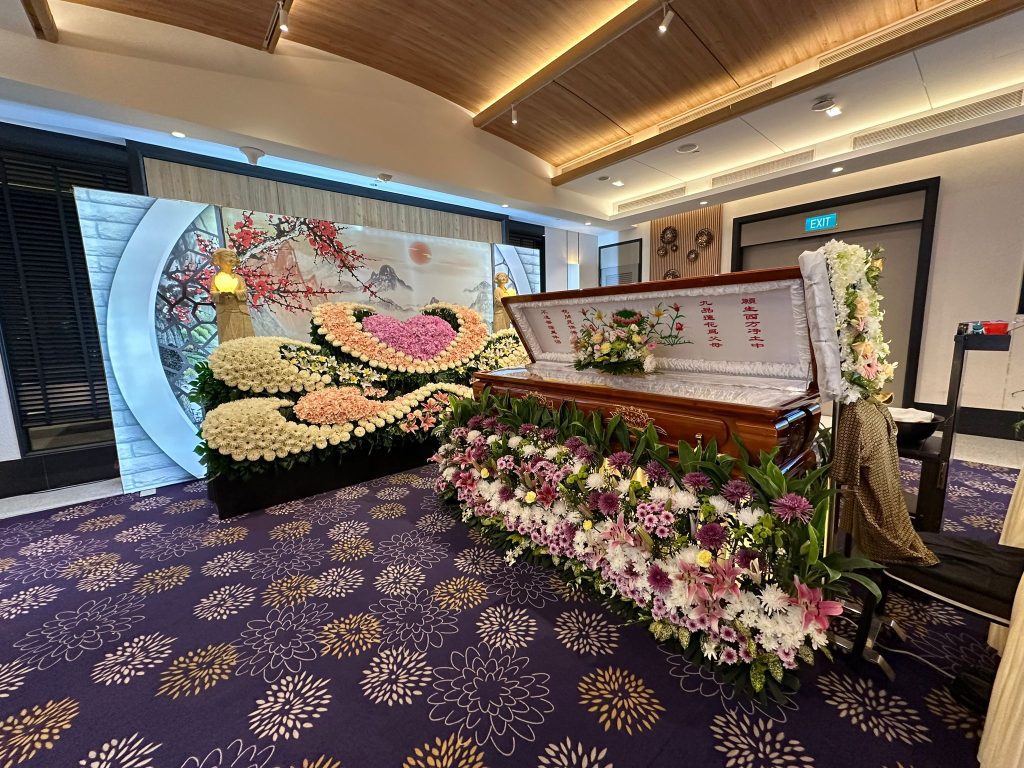
A parlour costs more but removes the permit process entirely and gives you a fixed, weatherproof, air-conditioned venue with amenities such as WiFi, a smart TV, proper sound system, and often overnight stay for family.

Our 8 air-conditioned parlours in the east of Singapore each include a private shower facility and resting room specifically so the bereaved family has somewhere comfortable to rest during a multi-day wake.

As a general benchmark across the market, a 3-day Christian, Catholic, or Freethinker wake typically runs from around SGD 4,500 at a void deck up to SGD 6,300 or more at a parlour, once GST and any parlour-size upgrades are included. Buddhist packages tend to sit higher, often SGD 5,500 to SGD 7,200, because of the added chanting sessions and altar items.

Taoist packages are usually the most expensive category, frequently SGD 7,500 and up, since the paper offerings, priest chanting across multiple nights, and dialect-specific rituals (Cantonese, Hokkien, Teochew, Hakka) add significant cost and vary by family. Always ask which dialect group’s rites are quoted, since this alone can shift the price by thousands of dollars between two families of the same religion.

3. Religious and Cultural Rites

Rites are priced by complexity, not by religion being “cheap” or “expensive” — it’s really about how many chanting sessions, offerings, and ritual objects are involved:

  • Buddhist rites (SGD 500–1,500): Monk-led chanting, incense, and fruit offerings, typically across 1–3 sessions depending on wake length.
  • Taoist rites (SGD 800–2,000): Priest-led chanting, paper effigies, and altar setup tend to push this higher than Buddhist rites of similar length.
  • Christian or Catholic services (SGD 300–800): A pastor’s service and hymns, usually the most straightforward to arrange.
  • Freethinker or humanist services (SGD 300–600): No religious rites, which keeps this the lowest-cost option by nature, not by cutting corners.

4. Transport, Catering, and the Costs People Forget

  • Hearse and body collection: A standard hearse service is sufficient for the vast majority of funerals. A limousine hearse is a genuine upgrade in presentation, not a functional necessity.
  • Catering: Basic buffet catering for wake visitors runs roughly SGD 10 to 15 per person, rising to SGD 25 to 40 per person for a premium spread with live stations. Over a 3-day wake with a steady stream of visitors, catering can quietly become one of the largest line items on the final bill. Trimming the catering tier is usually a better trade-off than shortening the wake if your family still needs the full mourning period.
  • Cremation itself: Cremation at Mandai Crematorium, the government-run facility, costs SGD 100. This surprises many families who assume cremation is expensive, when in fact it is the wake, casket, and rites that make up almost all of the total cost.
  • Burial: Because land is scarce in Singapore, a standard grave plot at a government-managed cemetery costs SGD 315 for a 15-year lease, with renewal fees after that. Private cemetery plots can exceed SGD 10,000. This is the main reason the large majority of Singaporean families now choose cremation over burial.
  • Documentation: Death certificate processing and cremation or burial permits typically run SGD 100 to 300 and apply regardless of which package you choose.

Where Families Genuinely Cut Costs Without Cutting Dignity

From arranging hundreds of funerals, the three moves that save the most money with the least visible trade-off are:

  1. Shorten the wake from 5 days to 3. This proportionally reduces venue, catering, and staffing costs and is now the norm rather than the exception in Singapore.
  2. Choose a void deck over a parlour if your family has the manpower to help manage logistics. The permit process through your Town Council is manageable with a bit of lead time.
  3. Ask for an itemised, written quote before confirming anything. This is the single best protection against being charged for add-ons you did not ask for, and any provider unwilling to give you one upfront is a warning sign.
  4. Pre-plan where possible. Locking in pricing ahead of time, even informally, avoids paying the premium that comes with arranging everything within 24 to 48 hours under pressure, which is the situation most families are actually in when a death occurs unexpectedly.
  5. Choose a laminated casket over a solid hardwood one for cremation. Since the casket is not preserved after cremation, spending on premium materials makes the least practical difference of any line item.

What to Do in the First Few Hours When Your Loved One has Passed Away

  1. Call a funeral director immediately. Our 24-hour hotline is 8900 0000. Early contact means faster body collection and a same-day cremation slot is more likely to still be available if that is the route your family wants.
  2. Register the death online at mylegacy.life.gov.sg to obtain the electronic death certificate, which is required before an obituary can be placed or cremation and burial arrangements can be made.
  3. Prepare a set of clothing and a photo (soft copy or hard copy) of the deceased for the funeral director to use.
  4. Decide on venue and religion early, even roughly, since this determines whether a Town Council permit needs to be applied for and how quickly a parlour slot needs to be secured.

For official guidance beyond what any funeral provider can offer, the National Environment Agency publishes funeral and cremation guidelines covering death registration, burial, and cremation processes, and the MyLegacy portal by the Ministry of Health is the official channel for death registration and end-of-life administrative matters.

Our Packages

Direct cremation packages at Funeral Services start from SGD 1,200. Our religious wake packages, priced across 3, 4, and 5 day durations, start from:

  • Buddhist Funeral: SGD 5,500
  • Taoist Funeral: SGD 7,500
  • Christian Funeral: SGD 4,500
  • Catholic Funeral: SGD 4,500
  • Freethinker Funeral: SGD 4,500
  • Soka Funeral: SGD 4,500

Every package comes with a fully itemised written quote before you confirm anything, so you know exactly what is and is not included. Call our 24-hour hotline at 8900 0000, or visit us at 52 Ubi Avenue 3, Frontier #03-47, Singapore 408867, or our funeral parlour at 91 Tampines Link, Singapore 528746.