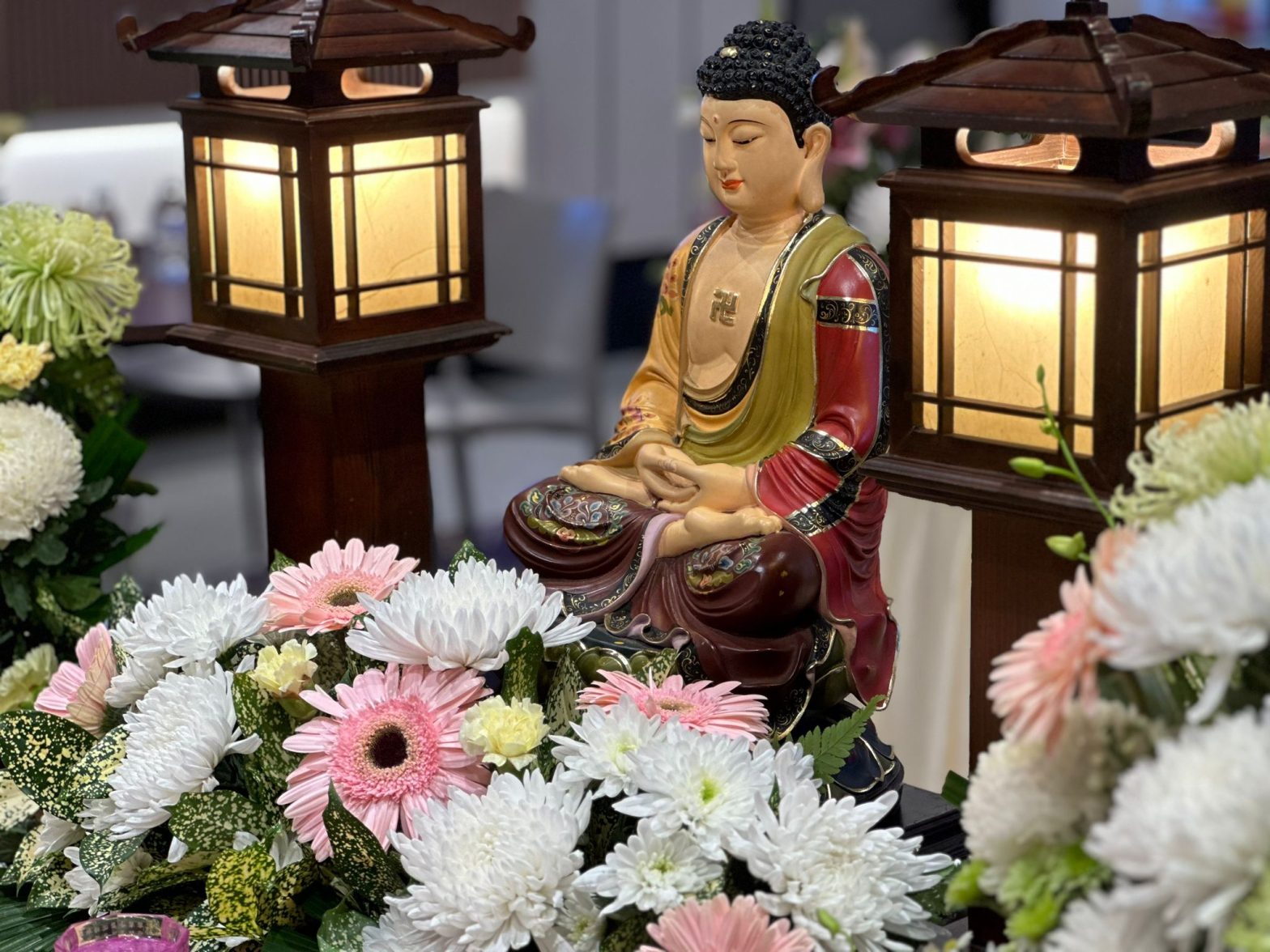
Step 1: Announce the Death with Sensitivity Start with a clear yet compassionate statement. Include the full name of the deceased, age, place of residence, and the date and cause of death (if appropriate). This sets the tone for the tribute.
Example:It is with deep sadness that we announce the passing of Sarah Louise Carter, 82, of Denver, Colorado, on December 18, 2023, surrounded by her family. Sarah’s battle with cancer ended peacefully in her home.
Tips:
Avoid euphemisms like “passed on” unless culturally or personally appropriate.
Ensure accuracy and clarity to prevent misunderstandings.
Step 2: Share Biographical Details Provide a snapshot of the deceased’s life journey. Highlight significant milestones such as birthplace, educational background, career achievements, and family life.
Example:Born on May 3, 1941, in Austin, Texas, Sarah was the eldest of three siblings. A graduate of the University of Texas, she pursued a fulfilling career as a teacher, touching the lives of countless students during her 40 years in education.
Tips:
Focus on unique achievements and anecdotes.
Tailor the biography to reflect their personality and legacy.
Step 3: Highlight Personal Qualities and Passions Describe what made the individual special. Mention hobbies, interests, and their impact on the community or loved ones.
Example:Sarah’s warm smile and love of gardening were her trademarks. She was a passionate advocate for environmental conservation, spending her weekends volunteering at local clean-up drives.
Tips:
Include heartfelt, specific anecdotes to bring their character to life.
Avoid clichés; instead, use descriptive language that paints a vivid picture.
Step 4: Recognize Family and Relationships List immediate surviving family members and predeceased loved ones. This acknowledges those grieving and honors key relationships.
Example:Sarah is survived by her devoted husband of 60 years, Michael Carter; her children, Anne (James) Harlow and Matthew Carter; and her grandchildren, Emily and Connor. She was preceded in death by her parents, Louise and James Henderson, and her sister, Marie.
Tips:
Keep the list concise but inclusive.
Respect family wishes regarding what to disclose.
Step 5: Provide Service or Memorial Details Offer clear information about funeral or memorial arrangements, ensuring accessibility for those wishing to attend.
Example:A celebration of Sarah’s life will be held on Saturday, December 23, at 2:00 PM at St. John’s Episcopal Church, 123 Main Street, Denver. Friends and family are invited to a reception following the service.
Tips:
Include links or contacts for further information.
Specify any dress codes or special requests.
Step 6: Close with Gratitude or a Final Tribute Conclude by expressing thanks or sharing a meaningful quote or reflection that encapsulates the deceased’s spirit.
Example:The Carter family extends heartfelt gratitude to the staff at Mercy Hospice for their exceptional care and kindness. In lieu of flowers, donations can be made to the Colorado Environmental Alliance in Sarah’s memory.
Tips:
Avoid overly flowery language; keep it sincere and dignified.
Consider using a line that reflects the deceased’s beliefs or favorite sayings.
What Makes These Obituaries Stand Out? A well-crafted obituary should:
Offer readers a sense of closure and an invitation to celebrate the life lost.
Be personal and unique, avoiding templates or generic phrasing.
Reflect the essence of the person’s character and contributions.
Balance factual information with emotional resonance.
Example of a Well-Written Obituary:
Joseph “Joe” Edward Hebert, 68, passed away peacefully on April 20, 2023. Born on March 5, 1955, in New Orleans, Louisiana, Joe was a beloved husband, father, and grandfather. A successful business owner, he founded Hebert’s Hardware, serving the community for over 35 years. Joe was known for his kind heart, love of jazz music, and dedication to local charities. He is survived by his wife, Marie; daughters, Lisa and Anne; and three grandchildren. A memorial service will be held on April 25, 2023, at St. Mary’s Church, New Orleans, at 10:00 AM. In lieu of flowers, donations may be made to the New Orleans Jazz & Heritage Foundation.
This example effectively combines factual information with personal anecdotes, providing a comprehensive and heartfelt tribute.
Throughout history, the final words of individuals have often encapsulated profound emotions, offering a glimpse into their inner thoughts during their last moments. Some of these utterances are particularly heart-wrenching, reflecting despair, resignation, or unfulfilled longing.
Vincent van Gogh, the Dutch painter, is believed to have said, “The sadness will last forever,” expressing the enduring melancholy that plagued him. Similarly, the American poet Emily Dickinson reportedly uttered, “I must go in, for the fog is rising,” perhaps symbolizing her transition from life to death.
The French queen Marie Antoinette, on her way to the guillotine, accidentally stepped on her executioner’s foot and apologized, saying, “Pardon me, sir, I did not do it on purpose.” This act of politeness in her final moments underscores the tragic fall from royalty to execution.
John Sedgwick, a Union Army general during the American Civil War, dismissed concerns about enemy snipers, saying, “They couldn’t hit an elephant at this distance.” Tragically, he was shot and killed moments later, highlighting the unpredictability of life and death.
The American musician Kurt Cobain, in his suicide note, quoted Neil Young: “It’s better to burn out than to fade away.” This reflects his internal struggles and the pressures of fame that led to his untimely death.
Before her passing in December 2021, actress Betty White reportedly said one last word: “Allen,” the name of her late husband, Allen Ludden, who had died decades earlier. This final utterance reflects enduring love and the deep connection she maintained with her spouse even in her last moments.
The American author and journalist Ernest Hemingway, known for his adventurous life and battles with depression, reportedly said, “Goodnight my kitten,” to his wife before taking his own life. This tender farewell contrasts with the violent manner of his death, adding a layer of poignancy.
Leonardo da Vinci, the quintessential Renaissance man, is said to have remarked, “I have offended God and mankind because my work did not reach the quality it should have.” Despite his masterpieces, he felt a sense of inadequacy, revealing the relentless pursuit of perfection that tormented him.
The American actress Joan Crawford, upon seeing her nurse praying aloud, reportedly said, “Don’t you dare ask God to help me,” reflecting her complex relationship with faith and perhaps a sense of defiance even in her final moments.
As he lay dying, the American inventor Thomas Edison emerged from a coma, opened his eyes, and softly spoke, “It is very beautiful over there.” These words suggest a serene acceptance and a comforting vision of the afterlife.
The British actor and playwright George Sanders left a suicide note saying, “Dear World, I am leaving because I am bored. I feel I have lived long enough.” His final words convey a profound sense of ennui and detachment from life.
Before his execution, the convicted murderer James French quipped, “How’s this for a headline? ‘French Fries.'” This dark humor in the face of death underscores the complexities of human emotion even in dire circumstances.
The American singer Michael Jackson’s last words were reportedly, “More milk,” referring to the anesthetic propofol he called “milk.” This request, leading to his accidental overdose, highlights the tragic consequences of his struggles with insomnia and dependency on medication.
The American gangster Charles “Lucky” Luciano, reflecting on his life of crime, reportedly said, “There’s no such thing as good money or bad money. There’s just money.” His words reveal a pragmatic, albeit morally ambiguous, perspective on his actions.
The British author Jane Austen, known for her keen observations of society, is believed to have said, “I want nothing but death,” expressing her suffering and resignation during her final illness.
The American Civil Rights leader Malcolm X, moments before his assassination, uttered, “Brothers, brothers, please! This is a house of peace!” His plea for calm amidst impending violence underscores the tragic end of a life dedicated to justice.
The American actress Lucille Ball, when asked if she wanted anything, simply replied, “My Florida water,” referring to a cologne she favored. This mundane request contrasts with her vibrant public persona, adding a touch of humanity to her final moments.
The British Prime Minister Winston Churchill’s last words were, “I’m bored with it all,” reflecting perhaps a weariness after a life filled with public service and global conflict.
The American singer Elvis Presley reportedly said, “I’m going to the bathroom to read,” before his untimely death. This ordinary statement belies the extraordinary life he led and the struggles he faced in private.
The American poet Edgar Allan Poe’s final words were, “Lord, help my poor soul,” reflecting the torment and struggles that haunted him throughout his life.
These final utterances, ranging from expressions of love and regret to reflections on life and death, offer a poignant insight into the human condition, reminding us of the fragility and complexity of life.
1. “Because I Could Not Stop for Death” by Emily Dickinson
Emily Dickinson personifies death as a polite suitor, inviting the speaker on a carriage ride that symbolizes the journey from life to the afterlife. The poem is both serene and haunting, capturing the inevitability of death with a gentle acceptance:
Because I could not stop for Death – He kindly stopped for me – The Carriage held but just Ourselves – And Immortality.
Dickinson’s work reminds us that death is not an end, but a transition to something beyond.
2. “Death Be Not Proud” by John Donne
John Donne’s powerful sonnet challenges the might of death, reframing it as a temporary and powerless force in the face of eternal life. His bold and defiant tone offers solace, as he declares that death itself will die:
Death, be not proud, though some have called thee Mighty and dreadful, for thou art not so…
This poem is a testament to the resilience of the human spirit and faith in the face of mortality.
3. “Do Not Go Gentle into That Good Night” by Dylan Thomas
Dylan Thomas pleads with his father to resist death with every ounce of strength in this passionate villanelle. The refrain, “Rage, rage against the dying of the light,” resonates as a universal cry to fight against the fading of life:
Do not go gentle into that good night, Old age should burn and rave at close of day; Rage, rage against the dying of the light.
Thomas’s work reminds us to cherish life’s vibrancy, even in its twilight.
4. “Crossing the Bar” by Alfred Lord Tennyson
Using the metaphor of a ship setting sail, Tennyson envisions death as a peaceful journey to the afterlife. The poem reflects his hope for a serene transition, free from fear or regret:
Sunset and evening star, And one clear call for me! And may there be no moaning of the bar, When I put out to sea.
This contemplative piece offers comfort and acceptance, portraying death as a natural part of life.
5. “When I Have Fears That I May Cease to Be” by John Keats
John Keats, who tragically died young, expresses his fear of leaving the world before experiencing its beauty and love. This poignant poem captures the fragility of life and the yearning for fulfillment:
When I have fears that I may cease to be Before my pen has gleaned my teeming brain…
Keats’s reflections remind us of the preciousness of time and the urgency to live fully.
6. “Remember” by Christina Rossetti
Christina Rossetti’s tender poem speaks to a loved one, urging them to remember her after she is gone but also to forgive themselves if they forget. Her compassionate tone offers solace:
Remember me when I am gone away, Gone far away into the silent land…
This poem emphasizes the importance of moving forward, even in the face of loss.
7. “Funeral Blues” by W.H. Auden
W.H. Auden captures the profound grief of losing a loved one in his deeply moving poem. With stark imagery and raw emotion, he portrays the void left behind:
Stop all the clocks, cut off the telephone, Prevent the dog from barking with a juicy bone…
Auden’s work serves as a poignant reminder of the depth of love and the sorrow of its absence.
The Universal Themes of Life and Death
These poems illuminate the shared human experience of grappling with life and death. Whether through defiance, acceptance, grief, or hope, they offer solace and insight into the mysteries that define our existence.
Poetry, in its boundless capacity for expression, serves as a bridge between the ephemeral nature of life and the infinite mystery of death. These works inspire us to reflect on our own journeys, cherish the moments we have, and find peace in the transitions that await.
The Garden of Remembrance is a Christian columbarium that offers a serene and sacred space for families to honour and remember their loved ones. With a focus on providing comprehensive and compassionate services, this columbarium is not just a final resting place but a hub of peace and comfort for those seeking solace during difficult times.
Niches for Every Need
The Garden of Remembrance boasts over 30,000 niches, offering families the flexibility to choose a space that best suits their needs. These niches come in various sizes, including:
Single Niches: Starting at $2,000, ideal for individuals.
Double Niches: Priced from $3,600, perfect for couples or families wishing to be together.
Premium Niches: For those seeking a more distinguished resting place.
Every niche is thoughtfully designed to honour loved ones while providing a peaceful environment for families to pay their respects.
Discover compassionate and professional funeral services tailored to honor your loved one’s life at funeralservices.sg. Our dedicated team provides seamless arrangements, offering peace of mind during difficult times. With customizable packages, round-the-clock support, and a commitment to dignity, trust us to provide comfort and care when you need it most.
Spaces for Funeral Wakes and Memorial Services
The columbarium features six fully air-conditioned rooms that can accommodate between 20 to 300 guests, making them ideal for private funeral wakes and memorial services. The rooms are bathed in natural light thanks to full-length windows, creating a bright and airy atmosphere. These spaces are designed to provide comfort and tranquillity, ensuring that every service is conducted with dignity and respect.
Personalised Plaques and Tributes
The Garden of Remembrance understands the importance of preserving memories for future generations. Families can choose from:
Traditional Marble Plaques: A timeless option for commemoration.
Customised Tributes: Featuring images, inscriptions, and designs to reflect the life and legacy of the departed.
These personalised tributes serve as enduring reminders of love and cherished memories.
Exhumation and Urn Transfer Services
Families looking to transfer urns or arrange for exhumation can rely on the professional assistance of the columbarium’s care team. The Garden of Remembrance ensures that every step of the process is handled with sensitivity and expertise.
Memorial Services
Twice a year, The Garden of Remembrance hosts complimentary memorial services. These gatherings provide families and friends an opportunity to come together, celebrate their loved ones, and find solace in a community of support.
Pre-Planning for Peace of Mind
For those looking to plan ahead, The Garden of Remembrance offers funeral pre-planning services. This ensures that your final wishes are respected and provides peace of mind for your family. Whether you’re considering the purchase of a niche or exploring memorial service options, the experienced Care Team is available to guide you through the process.
Contact Us
The Care Team at The Garden of Remembrance is dedicated to assisting families with their needs. Whether you’re seeking information about niches, planning a memorial service, or arranging an urn transfer, their team is ready to help.
For a non-obligatory discussion or to learn more about their services, reach out to The Garden of Remembrance: 📞 Call: +65 6795 8978 💻 Visit: Contact Us
In moments of loss, gestures of empathy and support often transcend words. Condolence flowers and wreaths provide a profound way to express sentiments of sympathy, respect, and remembrance. HiBye.sg offers a seamless platform to select and send condolence flowers that resonate with these emotions. This article delves into the services they provide, what sets them apart, the types of flowers suited for funerals, and prevailing practices.
Services Offered by HiBye.sg
HiBye.sg specializes in delivering condolence flowers and wreath arrangements across Singapore. Their services include:
Extensive Selection: From traditional standing wreaths to modern floral tributes, they offer a variety of designs suitable for different preferences and cultural practices.
Customizable Arrangements: Customers can personalize arrangements to reflect the deceased’s personality or to suit specific cultural or religious customs.
Same-Day Delivery: Recognizing the urgency of these occasions, HiBye.sg provides prompt delivery, ensuring the arrangement arrives in time for the service.
Thoughtful Add-Ons: Options to include sympathy cards with heartfelt messages, or additional keepsakes like candles or framed photos, are also available.
Consultation Services: Their customer service team offers guidance to choose the most appropriate arrangements based on the nature of the service and the recipient’s preferences.
What Sets HiBye.sg Apart?
HiBye.sg distinguishes itself through several unique attributes:
Cultural Sensitivity: They understand the nuances of Singapore’s multicultural society, offering designs that cater to traditions like Buddhist, Christian, Taoist, or secular services.
Eco-Friendly Practices: Many of their arrangements incorporate sustainable floristry practices, minimizing waste and using biodegradable materials where possible.
Attention to Detail: Every arrangement is carefully crafted by experienced florists to ensure a polished and professional presentation.
Affordable Luxury: HiBye.sg provides competitive pricing without compromising on quality, making heartfelt gestures accessible to a broader audience.
Digital Convenience: Their website features an intuitive interface for browsing, customizing, and ordering arrangements with minimal hassle.
Types of Flowers for Funerals
Flowers have long been symbolic in commemorating life and conveying condolences. The choice of flowers often carries specific meanings:
Lilies: Representing the restored innocence of the departed soul, lilies are a traditional choice for funeral arrangements.
Chrysanthemums: In many Asian cultures, chrysanthemums symbolize mourning and grief. White chrysanthemums, in particular, are prevalent in condolence arrangements.
Roses: White roses denote purity and reverence, while red roses symbolize deep love and respect.
Orchids: Orchids, especially in white and pink, convey eternal love and beauty, making them a meaningful choice for wreaths.
Carnations: White carnations signify pure love and innocence, whereas red carnations reflect admiration. These are often used in wreaths or bouquets.
Hydrangeas: Known for their fullness and abundance, hydrangeas represent heartfelt emotions and are often included in larger arrangements.
Gladioli: Representing strength and character, gladioli are commonly used in standing sprays.
Funeral Flower Practices
Choosing the right condolence arrangement requires sensitivity to cultural and religious practices:
Buddhist Services: White is the predominant color, symbolizing purity and mourning. Simple arrangements with chrysanthemums, lilies, and lotus flowers are preferred.
Christian Services: Arrangements often include white lilies or roses, reflecting the hope of resurrection. Cross-shaped wreaths are also popular.
Taoist Services: Bright-colored arrangements may be used, as Taoist practices sometimes celebrate the journey to the afterlife.
Secular Services: Contemporary arrangements with mixed flowers, including a balance of white and pastel shades, are fitting for non-religious services.
Best Practices When Sending Condolence Flowers
Know the Customs: Familiarize yourself with the cultural or religious background of the deceased and their family.
Choose Subtle Colors: White and pastel hues are generally safe choices, as they symbolize peace and reverence.
Include a Message: A heartfelt note expressing your condolences adds a personal touch to the gesture.
Consider the Arrangement Size: Larger standing wreaths are suitable for display at the service, while smaller bouquets or baskets can be sent to the family’s home.
Plan for Delivery Timing: Ensure the flowers arrive before the service begins or at a convenient time for the family.
The Emotional Impact of Condolence Flowers
The visual and emotional impact of flowers at a funeral cannot be overstated. They provide solace to grieving families and create a serene environment for mourning. HiBye.sg’s arrangements aim to capture this essence, providing not just flowers but a means to express unspeakable sentiments.
Conclusion
HiBye.sg stands as a trusted name in Singapore for condolence flowers and wreaths. Their commitment to quality, cultural sensitivity, and customer-centric services make them an excellent choice during times of grief. Whether you seek to honor the life of a loved one or convey your support to the bereaved, HiBye.sg ensures your gesture is meaningful and impactful. Their thoughtful designs and efficient delivery provide a seamless way to show empathy and respect in life’s most challenging moments.
Obituaries serve as a vital means to honor the deceased and inform the community of their passing. In Singapore, accessing and publishing obituaries involves several avenues, each with its own procedures and costs. This article provides a comprehensive guide on how to check obituaries in Singapore, the associated costs, methods to find local obituaries, and highlights some of the prominent obituary platforms available.
How to Check Obituaries in Singapore
To locate obituaries in Singapore, consider the following resources:
Newspapers: Traditional newspapers like The Straits Times and Berita Harian regularly publish obituary notices. These publications have both print and online editions, allowing readers to access obituaries through physical copies or their respective websites. Additionally, some newspapers offer online services enabling families to place obituary notices directly.
Online Obituary Platforms: Several dedicated websites provide comprehensive obituary listings:
Platforms offering free online obituary postings make it convenient for families and friends to share memorials.
Some services provide online obituary postings without added costs, ensuring everyone can commemorate their loved ones.
Other sites feature the latest online obituaries, allowing users to view and share memories of the deceased.
Funeral Service Providers: Many funeral homes in Singapore maintain online obituary sections on their websites. These platforms often provide free services dedicated to preserving the memories of loved ones.
Cholesterol-lowering effect clinically proven: Keleszade et al. 2022: https://doi.org/10.1016/ j.jff.2022.104939 Costabile et al. 2017: https://doi.org/10.1371/ journal.pone.0187964
• Free from animal protein, gluten, milk, yeast and lactose • Vegan • From 8 years, one capsule daily No animal protein, gluten, milk, yeast and lactose.
The cost of publishing an obituary in Singapore varies based on the medium and the specifics of the notice:
Print Newspapers: Publishing obituaries in newspapers can range from moderate to high, depending on the newspaper’s reach and the prominence of the placement. Costs often depend on factors like the size of the notice and the duration of publication.
Digital Obituaries: Opting for online obituary postings is generally more affordable. Some platforms offer digital obituaries for a fixed annual fee, while others provide free services to accommodate families with financial constraints.
It’s essential to consult with the chosen publication or platform to understand the exact costs and any additional services they may offer.
Looking for a trusted partner in honoring your loved ones? Funeral Services Singapore provides compassionate and professional support tailored to your needs. From personalized obituaries to seamless funeral arrangements, we ensure a dignified farewell.
Visit funeralservices.sg to explore our comprehensive services and let us help you create a heartfelt tribute during this difficult time.
How to Find a Local Obituary?
Locating a local obituary in Singapore can be approached through several methods:
Online Searches: Utilize search engines with specific keywords, such as the deceased’s name along with terms like “obituary” or “death notice,” to find relevant announcements.
Newspaper Archives: Access the archives of major newspapers to search for past obituary notices. Many newspapers offer online archives that can be searched by date or name.
Community and Religious Organizations: Engage with local community centers, religious institutions, or social groups, as they often disseminate information about the passing of community members.
Funeral Home Websites: Visit the websites of local funeral service providers, as they frequently post obituaries and service details for the individuals they are serving.
What is the Largest Obituary Website?
In Singapore, while there isn’t a singular “largest” obituary website, several platforms are widely recognized for their comprehensive services:
Some platforms aim to make it easy and convenient to visit and share memorials via the web, striving to be accessible and user-friendly for families and friends.
Dedicated services ensure that everyone, regardless of financial situation, can commemorate their loved ones without added costs.
Others feature the latest online obituaries, allowing users to view and share memories of the deceased.
These platforms collectively serve as significant resources for obituary postings and searches in Singapore.
Conclusion
Navigating the process of checking and publishing obituaries in Singapore involves understanding the available resources, associated costs, and the most effective methods to find local obituaries. By leveraging traditional newspapers, online platforms, and community networks, individuals can access and share obituary information, ensuring that the memories of loved ones are honored and preserved.
Our Funeral Packages
Our Buddhist funeral in Singapore is arranged with full respect for Buddhist customs. It provides families with a serene and spiritual way to say goodbye.
The package includes professional embalming, bathing, dressing, and makeup services carried out in a private air-conditioned facility. The wake can be held at either an HDB void deck or a funeral parlour, depending on the family’s preference.
A full Buddhist altar is set up with religious offerings and incense. Chanting sessions by Buddhist monks are conducted on the day of encoffinment, the final night, and the funeral day.
We also provide floral arrangements, photo enlargement, condolence booklets, digital signage, and transportation using a Mercedes Vito hearse. Cremation arrangements are included, with optional services such as vegetarian catering and paper offerings available.
Our Taoist funeral in Singapore is conducted according to detailed Taoist traditions and can be customised for dialect-specific rites including Hokkien, Teochew, Cantonese, Hakka, and Hainanese.
The package features a traditional casket setup with ritual items like sandalwood powder, prayer blankets, and pillows. Licensed female embalmers carry out professional body care and makeup.
The wake area is fully equipped with tentage, lighting, ceiling fans, tables, chairs, and a mobile toilet. Taoist-themed backdrops, joss paper, deity tablets, and altar setups are included.
Taoist priests perform multi-day chanting rituals including encoffinment, final night, and funeral day ceremonies. We also provide paper offerings like houses and servants, customised funeral lanterns, a glass hearse, air-conditioned bus, and full cremation support.
Our Christian funeral in Singapore ensures a solemn and respectful farewell in line with Christian values.
The package includes embalming, dressing, and preparation of the deceased. The wake is held at an HDB void deck, private estate, or funeral parlour with a Christian-themed backdrop, cross, and floral arrangements.
A memorial altar is set up with enlarged photo displays and scripture-based decor. We coordinate with your church or pastor to organise services, prayers, and readings.
Transport is arranged with a glass hearse and suited pallbearers. Additional services include guest reception, condolence materials, safe box, a 45-seater guest bus, cremation arrangements, and optional video tributes or live music.
Our Catholic funeral in Singapore covers the full Catholic rite, including the Vigil, Funeral Mass, and Rite of Committal.
We provide embalming, body preparation, and a half-glass casket fitted with a crucifix and nameplate. The wake venue is decorated with Catholic symbols such as candles, holy water, and sacred icons.
A floral altar and photo display are set up. Our team liaises with the parish to arrange Funeral Masses and rosary recitations, and ensures that all religious items are placed respectfully.
Transport includes a glass hearse and suited pallbearers. Cremation or burial arrangements are included. Families also receive condolence booklets, floral water, keepsakes, and guidance on post-funeral customs.
Our Soka funeral in Singapore is conducted according to Soka Gakkai principles, with a focus on peace, dignity, and humanistic values.
This package includes embalming and presentation of the deceased, along with a wake setup featuring the image of Nichiren Daishonin at the altar. The venue can be held at an HDB void deck or parlour.
Soka members lead Nam-myoho-renge-kyo chanting sessions. The service includes floral arrangements, photo enlargement, condolence materials, and digital signage.
We manage transportation via a professional hearse, and take care of all cremation arrangements. Optional services include extra chanting sessions, photography, videography, and memorial keepsakes.
Our sea burial in Singapore offers a peaceful, nature-aligned farewell at sea.
We assist with NEA permit application and collect the ashes from the crematorium. A biodegradable urn is optional. A private ferry or yacht is chartered to the official sea burial site located 2.8 km south of Pulau Semakau.
Families may conduct a short farewell ceremony and scatter flower petals and ashes into the sea. Loose flowers are provided.
Optional add-ons include a religious officiant, professional photography or video coverage, and keepsake tokens such as memorial pendants or photo books. Our team ensures the entire process is conducted with dignity and care.
The Seventh Lunar Month, commonly known as the Hungry Ghost Festival, is a significant period in Singaporean Chinese culture. During this time, it’s believed that the gates of the afterlife open, allowing spirits to roam the earthly realm. To honor ancestors and appease wandering spirits, various rituals and prayers are conducted.
This festival typically falls between August and September each year, as it follows the Chinese lunar calendar. The exact dates vary annually. For 2024:
The 7th Month begins on August 17, 2024.
The Hungry Ghost Festival (15th day) is on August 30, 2024.
The month ends on September 14, 2024.
In 2025, Singapore’s Seventh Lunar Month, known as the Hungry Ghost Festival, is observed from August 23 to September 21. The festival’s peak, on the 15th day, falls on September 6, 2025.
These dates are significant for honoring ancestors and performing rituals for wandering spirits.
Below is a detailed, step-by-step guide on how to perform these practices in Singapore:
1. Preparation Before the Seventh Month
Understand the Significance: Recognize that the Seventh Lunar Month is dedicated to honoring deceased ancestors and appeasing wandering spirits. It’s a time to express filial piety and seek blessings for the living.
Select Appropriate Dates: The Seventh Lunar Month typically falls between August and September. Identify specific dates for rituals, especially the 15th day, known as the Zhong Yuan Festival or Hungry Ghost Festival, which is considered the peak of the month.
Obtain Necessary Approvals: If planning to conduct prayers in public spaces like HDB common areas or industrial zones, secure the necessary permits from relevant authorities such as the Singapore Land Authority (SLA), Housing & Development Board (HDB), or Town Councils. This may involve:
Obtaining an endorsement letter from the Taoist Federation (Singapore) or Singapore Buddhist Federation.
Seeking a supporting letter from your area’s Member of Parliament (MP).
Submitting applications to the relevant authorities for approval.
2. Setting Up the Altar
Choose a Suitable Location: Set up the altar in a clean, respectful area, either at home or in an approved public space.
Prepare Offerings: Common offerings include:
Assorted fruits.
Cooked vegetarian dishes.
Incense sticks.
Joss paper (representing money for the deceased).
Personal items or favorite foods of deceased family members.
Arrange the Altar: Place offerings neatly on the altar. Position ancestral tablets or photos centrally, with offerings laid out respectfully in front.
Funeral Services Singapore offers 24/7 support for various religious and cultural funerals. Contact 8900 0000 for compassionate and professional arrangements.
3. Conducting the Prayer Ceremony
Lighting Incense: Light three incense sticks, holding them together as you bow three times to:
The deities.
Ancestral spirits.
Wandering spirits.
Recite Prayers: Depending on your religious beliefs:
Taoist Practices: Recite specific Taoist scriptures or mantras.
Buddhist Practices: Chant sutras such as the Ullambana Sutra, dedicating merits to deceased ancestors.
Burning Joss Paper: After prayers, burn joss paper in a designated container, symbolizing the transfer of offerings to the spiritual realm.
4. Post-Ceremony Practices
Distribution of Offerings: After the ceremony, distribute the food offerings among family members or participants. It’s believed that consuming these blessed items brings good fortune.
Clean Up: Ensure the altar area is tidied up, and any remaining incense ashes are respectfully disposed of.
5. Additional Considerations
Community Involvement: Participate in or organize community events such as:
Getai Performances: Live stage performances meant to entertain both the living and spirits.
Charity Auctions: Bidding on items, with proceeds often going to charitable causes.
Safety and Environmental Concerns: Be mindful of:
Conducting rituals in well-ventilated areas to minimize smoke inhalation.
Reducing the burning of joss paper to lessen environmental impact.
Adherence to Guidelines: Follow any advisories or guidelines issued by religious organizations or authorities, especially concerning public health and safety measures.
By meticulously following these steps, you can respectfully honor your ancestors and participate in the cultural practices associated with the Seventh Lunar Month in Singapore.
Buddhist Funeral Services
FuneralServices.sg provides Buddhist funeral packages from SGD 4,800 onwards, designed for wakes at HDB void decks or funeral parlours. Each package covers professional care of the deceased, embalming, a half-glass casket, transport services, monk-led chanting rituals across three sessions, and altar arrangements with offerings. Families are assured a respectful farewell that honours Buddhist traditions while maintaining transparency in pricing and services.
Taoist Funeral Services
The Taoist funeral packages at FuneralServices.sg begin from SGD 7,500, with a complete setup for wakes at HDB void decks or funeral parlours. These packages include Taoist-specific rites such as Taoist priest chanting sessions, paper offerings, and traditional rituals for guiding the deceased’s spirit. Services also cover professional embalming, a half-glass casket, transport arrangements, altar setup, and tentage for guests.
Christian Funeral Services
For Christian families, we offer Christian funeral packages starting from SGD 3,800. These packages are tailored for wakes conducted at HDB void decks, parlours, or private venues, and include a half-glass casket, embalming, professional body care, transport services, floral arrangements, and tentage. The setup is customised to suit Christian practices, with the inclusion of a cross, hymns, and pastoral or priest support upon request, ensuring a dignified and faith-centred farewell
Catholic Funeral Services
FuneralServices.sg offers Catholic funeral packages starting from SGD 3,800, suitable for wakes held at HDB void decks, funeral parlours, or private venues. Each package includes embalming and professional body care, a half-glass casket, floral arrangements, transport, and tentage setup. Families can also request a priest to conduct the wake prayers and funeral mass, ensuring a farewell that honours Catholic traditions with dignity and reverence.
At FuneralServices.sg, we offer Buddhist, Taoist, Christian, and Catholic funeral services with transparent pricing and complete packages tailored to each faith. From embalming and casket preparation to ritual arrangements, prayers, and wake setups, our team ensures every detail is handled with professionalism and compassion. Families can trust us to provide a dignified farewell that respects their loved one’s beliefs.
Planning a funeral or handling estate matters can be an overwhelming process, especially during emotionally trying times. However, with the right guidance and support, it is possible to navigate these steps effectively. Here’s how to handle wills and probate issues with confidence.
Wills: Securing Your Legacy
A will is a crucial document that ensures your assets are distributed according to your wishes after your passing. Proper planning not only secures your legacy but also provides peace of mind for your loved ones.
In Singapore, drafting a valid will involves:
Appointing an executor: This is the individual who will manage your estate and ensure your instructions are followed. For a will to be valid in Singapore, it must be in writing, the testator (person making the will) must be at least 21 years old, and the will must be signed at the foot by the testator in the presence of two or more witnesses, who must also sign in the testator’s presence.
Listing your assets: Ensure that all your financial and physical assets are accounted for. The testator should appoint an executor who is at least 21 years old, of sound mind, and not bankrupt. The executor is responsible for administering the estate according to the will.
Designating beneficiaries: Clearly specify who should inherit what portion of your estate. If a person passes away without a valid will, their assets are distributed according to Singapore’s intestacy laws, which may not align with personal wishes.
To strengthen your estate plan, you may consider:
Asset Protection Trusts: These safeguard your wealth from unforeseen risks.
Lasting Power of Attorney (LPA): This ensures that individuals of your choice can make decisions on your behalf should you lose mental capacity.
Professional Assistance: Engaging with professionals for will drafting and probate applications can help navigate legal complexities and ensure that all procedures are correctly followed.
Without proper planning, the distribution of your estate will be subject to Singapore’s intestacy laws, which may not align with your personal wishes. Consulting with a professional ensures your will is comprehensive and legally enforceable.
Probate: Managing an Estate After Death
Probate is the legal process of validating a deceased person’s will and authorizing the executor to administer the estate. In Singapore, it involves:
Filing for probate: The executor named in the will must apply for a Grant of Probate from the Family Justice Courts to obtain the legal authority to manage and distribute the deceased’s assets.
Letters of Administration: If there is no valid will, a beneficiary can apply for Letters of Administration to be appointed as the estate’s administrator.
Court processes: The executor or administrator must apply to the Family Justice Courts for the necessary legal authority to distribute the assets.
During this process, you’ll need to gather essential documents such as the death certificate, the will (if applicable), and a detailed list of assets and liabilities.
Professional assistance can help simplify the probate process by providing guidance on:
Submitting required documents accurately.
Navigating the complexities of estate valuation and tax obligations.
Addressing disputes among beneficiaries, if they arise.
Expert Support at Every Step
Handling wills and probate doesn’t have to be overwhelming. With expert advice and step-by-step support, you can ensure that everything is managed smoothly and legally.
Reach out to a trusted estate planning professional in Singapore today to protect your assets and provide security for your loved ones.
Flowers play a significant role in funeral traditions, offering comfort and expressing condolences to grieving families. Selecting the right floral arrangement provider is crucial to ensure that the tribute is both meaningful and beautiful.
This article outlines the top five best funeral flower companies in Singapore for 2024, based on reputation, variety of arrangements, pricing, delivery reliability, customisation options, customer service, and more.
1. Hibye.sg: Best Overall Funeral Flower & Funeral Wreath Provider
Why Choose Hibye.sg? Hibye.sg is a leading name in Singapore’s floral industry, renowned for its high-quality funeral flower arrangements that combine elegance and thoughtfulness. Whether for traditional funerals, memorial services, or wakes, their arrangements are meticulously designed to convey sympathy and respect.
Key Features:
Reputation: Highly rated for their professionalism, creativity, and excellent customer service.
Variety of Arrangements: Offers a wide range of options, including floral wreaths, standing sprays, casket sprays, and customisable bouquets.
Pricing: Transparent pricing with affordable options for all budgets, ensuring no hidden costs.
Delivery: Reliable same-day delivery service across Singapore, ensuring timely arrival of arrangements.
Customisation: Personalised floral designs to match religious or cultural traditions, as well as individual preferences.
Customer Service: Friendly and compassionate staff who guide clients through the selection process.
If you’re looking for the best overall provider of funeral/condolence flowers in Singapore, Hibye.sg is the top choice for 2024, offering unmatched quality and service.
2. 24Hrs City Florist: Best for Round-the-Clock Availability
Why Choose 24Hrs City Florist? As the name suggests, 24Hrs City Florist provides round-the-clock floral services, making them a reliable choice for last-minute funeral and condolence flower arrangements. Their extensive range of designs and commitment to quality ensures that every arrangement is a heartfelt tribute.
Key Features:
Reputation: Trusted by many for their availability and consistent quality.
Variety of Arrangements: Includes wreaths, sprays, condolence stands, and floral tributes in various styles.
Pricing: Competitive prices with options for different budgets.
Delivery: Fast and reliable, including urgent deliveries within hours.
Customisation: Offers bespoke designs to suit specific themes or preferences.
Customer Service: Known for their efficiency and quick response times.
24Hrs City Florist is ideal for those who require flexibility and immediate service for funeral flowers.
3. Little Flower Hut: Best for Customisation
Website: Little Flower Hut Phone: +65 6503 9750 Email: sales@littleflowerhut.com.sg Address: 48A Changi South Street 1, Singapore 486114 Opening Hours: Open 24/7
Why Choose Little Flower Hut? Little Flower Hut is renowned for its customisable funeral floral arrangements, ensuring that each tribute is unique and personal. With a team of talented florists, they create designs that reflect the departed’s personality and the sentiments of the bereaved.
Key Features:
Reputation: Well-regarded for their creativity and attention to detail.
Variety of Arrangements: Specialises in bespoke designs, along with classic wreaths, sprays, and bouquets.
Pricing: Mid-range pricing with excellent value for customisation.
Delivery: Punctual same-day delivery service throughout Singapore.
Customisation: Extensive options for tailoring floral tributes to specific themes, colours, or traditions.
Customer Service: Friendly and supportive, with a focus on understanding clients’ needs.
For families seeking a personalised floral arrangement, Little Flower Hut is the go-to provider in 2024.
4. FarEastFlora.com: Best for Premium Arrangements
Why Choose FarEastFlora.com? FarEastFlora.com is a premium floral provider known for its luxurious and elegant designs. They use the finest flowers sourced locally and internationally to create stunning arrangements that leave a lasting impression.
Key Features:
Reputation: Renowned for their sophisticated and high-quality floral arrangements.
Variety of Arrangements: Offers premium wreaths, condolence stands, and bespoke designs.
Pricing: Higher pricing, reflecting the quality and exclusivity of their offerings.
Delivery: Reliable delivery service with options for scheduled and express delivery.
Customisation: Tailored arrangements for special requests and themes.
Customer Service: Professional and attentive, providing excellent guidance and support.
For those seeking luxury and elegance in funeral flower arrangements, FarEastFlora.com is an excellent choice.
Why Choose Wreath Gallery? Wreath Gallery is an affordable funeral flower provider, offering a wide range of beautiful yet budget-friendly arrangements. They focus on creating simple and elegant designs that convey sympathy and respect without breaking the bank.
Key Features:
Reputation: Praised for their affordability and quality.
Variety of Arrangements: Includes wreaths, sprays, and condolence stands in classic designs.
Pricing: One of the most cost-effective providers in Singapore.
Delivery: Same-day delivery available at no extra cost.
Customisation: Limited options for customisation but offers excellent value for money.
Customer Service: Friendly and efficient, ensuring a smooth ordering process.
For families on a budget, Wreath Gallery provides excellent options without compromising on quality or sentiment.
Conclusion
Selecting the right funeral flower company in Singapore involves considering factors such as reputation, variety of arrangements, pricing, and delivery reliability. For 2024, Hibye.sg stands out as the best overall provider, offering exceptional service, a wide range of options, and reliable delivery.
If you’re looking for round-the-clock availability, 24Hrs City Florist is an excellent choice. For customised floral tributes, Little Flower Hut leads the way, while FarEastFlora.com offers premium arrangements for those seeking luxury. Finally, Wreath Gallery is the top pick for affordable yet elegant designs.
By evaluating your specific needs and preferences, you can choose a funeral flower provider that helps you express your condolences with dignity and grace.
The Qing Ming Festival, also known as the Pure Brightness Festival, is a deeply rooted cultural and spiritual event observed in Chinese communities around the world. Celebrated for over 2,500 years, this festival embodies traditions of filial piety, ancestral reverence, and the celebration of life. Held annually on the 15th day after the spring equinox, typically falling on 4th or 5th April, Qing Ming is both a solemn and joyous occasion, bridging the past with the present. Below is an in-depth exploration of its origins, customs, and modern-day significance.
Historical Origins and Cultural Significance
Qing Ming traces its origins back to Confucian values, specifically filial piety, which underscores the importance of respect and care for one’s parents and ancestors. The festival also has connections to ancient agrarian traditions. Historically, it marked the onset of the growing season, and farmers would perform rituals to ensure a bountiful harvest.
One of the earliest accounts of Qing Ming is tied to the story of Duke Wen of Jin during the Spring and Autumn Period (770–476 BCE). To commemorate the loyalty of his servant Jie Zitui, Duke Wen decreed a day for remembering the deceased, which later evolved into the Qing Ming Festival.
In 732 AD, Emperor Xuanzong of the Tang Dynasty institutionalised the holiday, limiting extravagant ceremonies to one day of tomb-sweeping, which laid the foundation for modern Qing Ming practices.
Honour your loved ones with dignity through funeralservices.sg. We offer tailored funeral packages respecting traditional customs and modern needs. Visit funeralservices.sg for compassionate, seamless services today.
Key Traditions and Practices
1. Tomb-Sweeping (扫墓, Sǎomù)
At the heart of Qing Ming is the practice of tomb-sweeping, an act symbolising respect and gratitude to ancestors. Families gather at cemeteries to clean gravesites, clear away weeds, and repaint inscriptions. In urban areas, where space constraints often lead to cremation and columbaria, families pay similar respects to urn niches.
The act of sweeping graves is often accompanied by offering food, tea, and wine, which are placed on the tomb as a sign of continuity between the living and the dead. Items burned include joss paper, or “spirit money,” made to resemble currency, and even paper replicas of luxury items, symbolising wealth and comfort in the afterlife.
2. Qingtuan (青团)
Qingtuan is a traditional dish widely associated with Qing Ming. These green dumplings, made from glutinous rice mixed with mugwort or barley grass, are filled with sweet red bean paste. Not only do they signify spring’s fresh flavours, but the mugwort is also believed to ward off evil spirits.
3. Willow Branches
Carrying willow branches or hanging them on gates is another Qing Ming custom. According to Chinese folklore, evil spirits are most active during Qing Ming, and willow branches serve as protection against these wandering entities.
Celebratory Aspects: Merging the Old with the New
While Qing Ming has solemn undertones, it also celebrates renewal and life. After visiting ancestral gravesites, families often engage in outdoor activities such as picnics, kite flying, and nature walks. The spring season is considered auspicious for reconnecting with nature.
Kite Flying
Kite flying is a popular pastime during Qing Ming. Traditionally, people would attach strings of lanterns to kites, resembling stars in the night sky. Some believe flying kites helps release misfortunes, symbolically cutting away bad luck by severing the string.
Seasonal Outings
Many families use the Qing Ming holiday as an opportunity to enjoy spring outings, known as 踏青 (tàqīng). These excursions celebrate the renewal of life and offer a chance to appreciate blooming flowers, lush greenery, and the vibrant energy of spring.
A Comparison: Qing Ming vs. Día de los Muertos
Both Qing Ming and the Mexican Día de los Muertos (Day of the Dead) celebrate the connection between the living and the deceased, yet their expressions differ. Qing Ming is a day of quiet reflection and ritualistic offerings, while Día de los Muertos is a colourful celebration marked by music, dancing, and elaborately decorated altars.
Commonalities:
Both festivals include offerings of food and beverages to the deceased.
Families come together to honour their loved ones.
Differences:
Qing Ming rituals are more subdued and deeply tied to Confucian values of filial piety.
Día de los Muertos has a more festive atmosphere, blending indigenous traditions with Catholic influences.
Modern Observations and Adaptations
As lifestyles evolve, so do Qing Ming traditions. In cities, families who cannot visit gravesites in person may use online platforms for virtual tomb-sweeping. These platforms allow users to upload photos, light digital candles, and even send virtual offerings.
Environmental awareness has also influenced Qing Ming. Many opt for biodegradable joss paper and eco-friendly practices to minimise the festival’s ecological footprint.
Statistics and Economic Impact
Over 300 million people in China alone travel during the Qing Ming period, making it one of the busiest times of the year for transportation networks.
The paper offerings industry generates significant revenue, with an estimated £800 million spent annually on joss paper and paper replicas.
Symbolism in Qing Ming
The festival is rich in symbolism. The term “Qing Ming” itself means “pure brightness,” reflecting the clarity of spring and the purity of filial devotion. The combination of rituals, seasonal activities, and traditional foods embodies the cyclical nature of life and death, reminding celebrants of their roots and responsibilities.
Challenges and Future Outlook
Qing Ming faces challenges in preserving its traditions amidst urbanisation and globalisation. Younger generations, especially those living abroad, may struggle to maintain these customs. Governments and cultural organisations have launched initiatives to educate people about the significance of Qing Ming through school curriculums, public events, and digital media.
Conclusion
The Qing Ming Festival is a profound blend of tradition, remembrance, and renewal. By honouring the past and celebrating the present, it serves as a reminder of the enduring ties between generations. Whether through sweeping graves, flying kites, or enjoying a plate of qingtuan, Qing Ming continues to hold deep cultural and spiritual significance, embodying the essence of Chinese heritage for over two millennia.