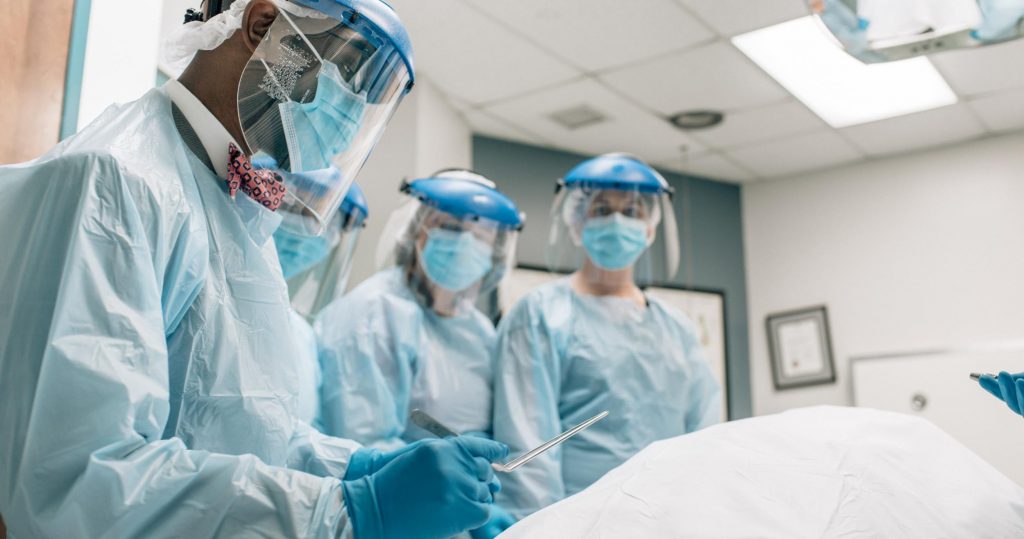
How to Become an Embalmer in Singapore

Becoming an embalmer in Singapore is a specialized career that involves a combination of formal education, practical training, and certification. Here’s a guide on how to pursue this profession.

1. Educational Requirements

To become an embalmer in Singapore, you typically need to have a background in health sciences or a related field. A good starting point is to pursue a diploma or degree in a relevant discipline. Nanyang Polytechnic (NYP) offers various courses under their School of Life Sciences, including Health Sciences, which could serve as a foundation for a career in embalming. You are also required to go through the Basic Infection Control Course at the National Center for Infectious Diseases (NCID) before you become an embalmer.

2. Specialized Training

After obtaining a relevant diploma or degree, aspiring embalmers need to undergo specialized training in mortuary science or embalming. This training is usually provided by specialized institutions or through apprenticeships with experienced embalmers. The training will cover topics such as anatomy, chemistry, restorative art, and the proper handling and preservation of bodies.

3. Certification

In Singapore, embalmers must be certified by the relevant authorities to practice legally. Certification usually involves passing a series of exams and completing a certain number of practical embalming cases under supervision. It’s essential to check with local health authorities for specific certification requirements and procedures.

4. Apprenticeship and Practical Experience

Gaining hands-on experience is crucial in this field. Many embalmers start their careers as apprentices, working under the supervision of experienced professionals. This period allows you to apply your theoretical knowledge in real-life scenarios and develop the skills needed to handle the emotional and physical demands of the job.

5. Continuing Education and Professional Development

The field of embalming is constantly evolving with advancements in techniques and regulations. Continuing education is important for staying updated with the latest practices and maintaining your certification. Many embalmers participate in workshops, seminars, and other professional development opportunities.

6. Employment Opportunities

Once certified, embalmers can find employment with funeral homes, hospitals, or government agencies. Some may also choose to start their own funeral services business. The demand for professional embalmers is steady, given the essential nature of the job.

7. Professional Associations

Joining a professional association for embalmers and funeral directors can provide additional resources, networking opportunities, and support throughout your career. These associations often offer continuing education programs and keep members informed about industry standards and changes in regulations.

Conclusion

Becoming an embalmer in Singapore requires a combination of education, training, certification, and practical experience. It’s a career that demands not only technical skills but also emotional resilience and a commitment to providing respectful and professional care to the deceased and their families.

For more detailed information on relevant courses, you can explore offerings from institutions like Nanyang Polytechnic’s School of Life Sciences.

More Articles:
Buddhist Funeral Packages
Sea Burial Services

Funeral Packages

Our Buddhist funeral in Singapore is arranged with full respect for Buddhist customs. It provides families with a serene and spiritual way to say goodbye.

The package includes professional embalming, bathing, dressing, and makeup services carried out in a private air-conditioned facility. The wake can be held at either an HDB void deck or a funeral parlour, depending on the family’s preference.

A full Buddhist altar is set up with religious offerings and incense. Chanting sessions by Buddhist monks are conducted on the day of encoffinment, the final night, and the funeral day.

We also provide floral arrangements, photo enlargement, condolence booklets, digital signage, and transportation using a Mercedes Vito hearse. Cremation arrangements are included, with optional services such as vegetarian catering and paper offerings available.

Our Taoist funeral in Singapore is conducted according to detailed Taoist traditions and can be customised for dialect-specific rites including Hokkien, Teochew, Cantonese, Hakka, and Hainanese.

The package features a traditional casket setup with ritual items like sandalwood powder, prayer blankets, and pillows. Licensed female embalmers carry out professional body care and makeup.

The wake area is fully equipped with tentage, lighting, ceiling fans, tables, chairs, and a mobile toilet. Taoist-themed backdrops, joss paper, deity tablets, and altar setups are included.

Taoist priests perform multi-day chanting rituals including encoffinment, final night, and funeral day ceremonies. We also provide paper offerings like houses and servants, customised funeral lanterns, a glass hearse, air-conditioned bus, and full cremation support.

Our Christian funeral in Singapore ensures a solemn and respectful farewell in line with Christian values.

The package includes embalming, dressing, and preparation of the deceased. The wake is held at an HDB void deck, private estate, or funeral parlour with a Christian-themed backdrop, cross, and floral arrangements.

A memorial altar is set up with enlarged photo displays and scripture-based decor. We coordinate with your church or pastor to organise services, prayers, and readings.

Transport is arranged with a glass hearse and suited pallbearers. Additional services include guest reception, condolence materials, safe box, a 45-seater guest bus, cremation arrangements, and optional video tributes or live music.

Our Catholic funeral in Singapore covers the full Catholic rite, including the Vigil, Funeral Mass, and Rite of Committal.

We provide embalming, body preparation, and a half-glass casket fitted with a crucifix and nameplate. The wake venue is decorated with Catholic symbols such as candles, holy water, and sacred icons.

A floral altar and photo display are set up. Our team liaises with the parish to arrange Funeral Masses and rosary recitations, and ensures that all religious items are placed respectfully.

Transport includes a glass hearse and suited pallbearers. Cremation or burial arrangements are included. Families also receive condolence booklets, floral water, keepsakes, and guidance on post-funeral customs.

Our Soka funeral in Singapore is conducted according to Soka Gakkai principles, with a focus on peace, dignity, and humanistic values.

This package includes embalming and presentation of the deceased, along with a wake setup featuring the image of Nichiren Daishonin at the altar. The venue can be held at an HDB void deck or parlour.

Soka members lead Nam-myoho-renge-kyo chanting sessions. The service includes floral arrangements, photo enlargement, condolence materials, and digital signage.

We manage transportation via a professional hearse, and take care of all cremation arrangements. Optional services include extra chanting sessions, photography, videography, and memorial keepsakes.

Our sea burial in Singapore offers a peaceful, nature-aligned farewell at sea.

We assist with NEA permit application and collect the ashes from the crematorium. A biodegradable urn is optional. A private ferry or yacht is chartered to the official sea burial site located 2.8 km south of Pulau Semakau.

Families may conduct a short farewell ceremony and scatter flower petals and ashes into the sea. Loose flowers are provided.

Optional add-ons include a religious officiant, professional photography or video coverage, and keepsake tokens such as memorial pendants or photo books. Our team ensures the entire process is conducted with dignity and care.
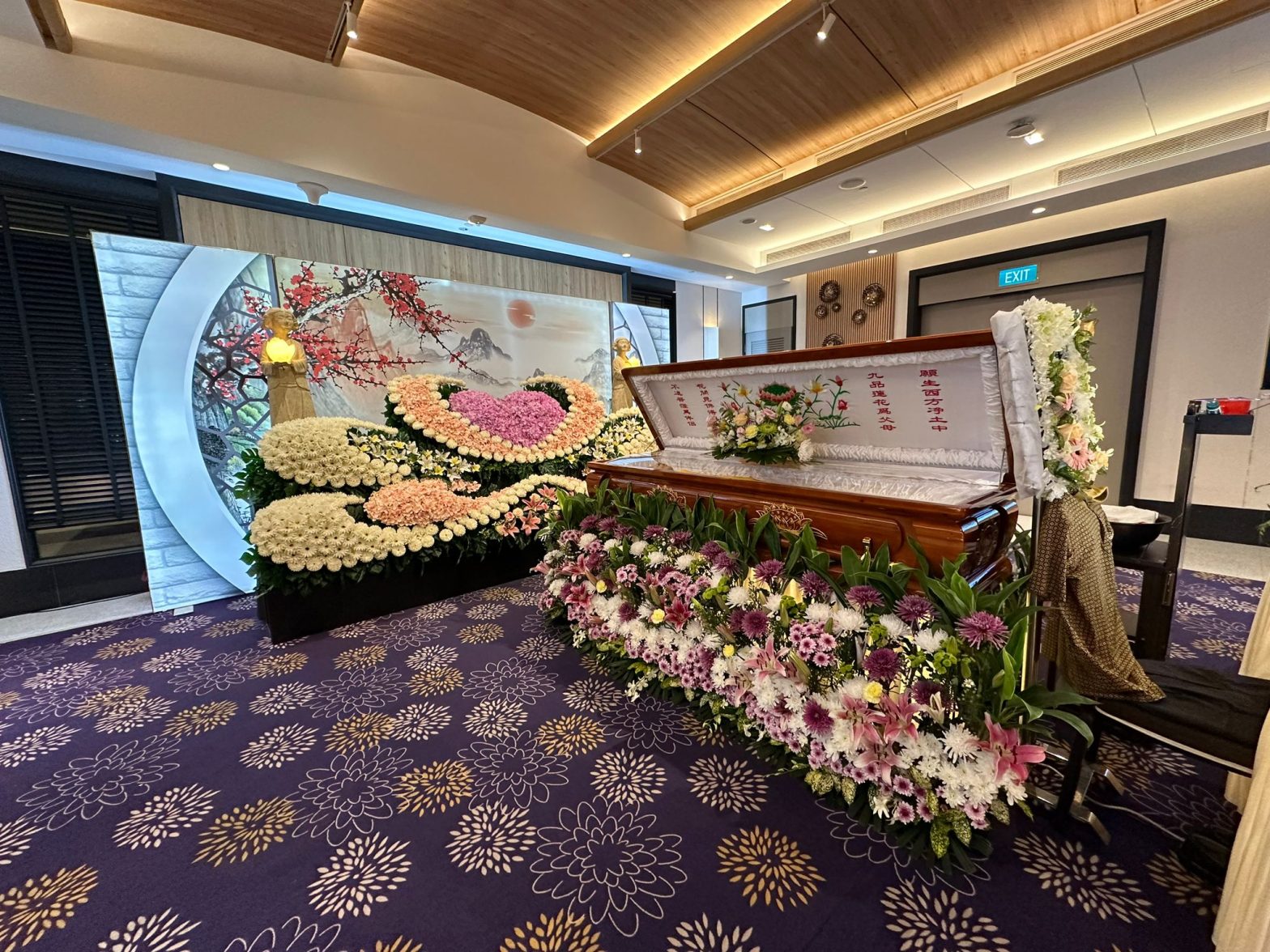
Funeral Services in Singapore: Costs, Options, and Trends

The passing of a loved one is an emotional and deeply personal experience, often accompanied by the difficult task of organizing a funeral. In Singapore, funeral services are influenced by the country’s multicultural society, with practices and costs varying across different religious and cultural groups.

This article provides an in-depth guide to understanding the various funeral services available in Singapore, their associated costs, and recent trends, including eco-friendly funeral options and financial planning tips.

The Funeral Industry in Singapore

Singapore’s funeral industry is well-established, catering to a wide array of religious and secular needs. The country’s rich diversity—comprising Chinese, Malay, Indian, and other ethnic groups—means that funeral services here often have a cultural or religious element.

Depending on the deceased’s background, a funeral may follow Christian, Buddhist, Taoist, Muslim, or Hindu traditions, each with specific rites and customs.

Over the years, Singapore has seen a rise in professional funeral directors who manage the entire process from death registration to cremation or burial. As these services have evolved, so too have the options available to families, ranging from simple, no-frills services to elaborate ceremonies that honor the deceased in highly personalized ways.

Breakdown of Funeral Costs in Singapore

Funeral expenses in Singapore can vary greatly depending on several factors, including the type of service, location of the wake, and whether the deceased will be buried or cremated. The total cost can range from S$5,000 to over S$12,000, and in some cases, even more for highly customized services.

CategoryDetailsCost Range
Funeral Costs in Singapore
Coffins and CasketsBasic coffins (plywood) to premium materials (mahogany, marble)S$800 – S$8,000
Wake ArrangementsRent at void decks, funeral parlors, or religious institutionsS$3,000 – S$10,000
Body PreparationEmbalming, makeup, dressing of the deceasedS$500 – S$1,000
CremationMandai Crematorium (government facility)S$100
BurialBurial plot at Choa Chu Kang Cemetery (limited availability)S$300
TransportHearse from wake to cremation or burial siteS$400 – S$1,200
Types of Funeral Services
Christian FuneralsChurch services, hymns, prayers, eulogiesS$4,000 – S$8,000
Buddhist FuneralsRituals include burning incense, paper offerings, chanting by priests or monksS$8,000 – S$15,000
Taoist Funerals5 –7 days with chanting by Taoist priests, paper offerings, and symbolic ritesS$10,000 – S$20,000
Catholic Funerals1 – 3 days with wake, church mass, burial/cremationS$6,000 – S$9,000
Muslim FuneralsQuick burial (within 24 hours), body washed and shrouded according to Islamic lawS$1,500 – S$4,000
Hindu FuneralsCremation with traditional mantras and ritualsS$3,000 – S$10,000
Eco-Friendly Funeral Options
Green BurialsBiodegradable coffins or shrouds, minimal environmental impactVaries depending on service
Eco-Friendly CremationAlkaline hydrolysis (water cremation), lower carbon footprintStill developing in Singapore
Biodegradable UrnsCremated remains placed in urns that decompose naturallyS$100 – S$500
Sea Burial / Coral Reef MemorialsCremated remains turned into coral reefs for ocean conservationS$3,000 – S$6,000
Financial Planning for Funerals
Funeral InsuranceFuneral-specific insurance policies, providing a payout for funeral costsPayouts up to S$10,000
CPF SavingsUse of the deceased’s CPF savings to cover funeral costsDepends on CPF savings
Public Assistance Funeral GrantGovernment aid for low-income familiesS$1,400
Pre-Paid Funeral ServicesPre-paying for funeral services at current rates to avoid future price increasesVaries depending on service provider
Additional CostsOptional services such as floral arrangements, catering, musicians, etc.S$500 – S$5,000 (depending on scale)

Common Costs Associated with Funerals

  • Coffins and Caskets: Coffins made from basic materials like plywood start at around S$800, while more luxurious options, such as mahogany or marble-finished caskets, can go up to S$8,000.
  • Wake Arrangements: A funeral wake typically lasts between three to five days and can be held at various venues, including a void deck, funeral parlors, or religious institutions. Renting a venue can cost between S$3,000 and S$10,000.
  • Body Preparation: Embalming services, where the body is preserved, typically cost S$500 to S$1,000. Families may also opt for additional services such as makeup and dressing of the deceased.
  • Cremation or Burial: Cremation is the most common choice in Singapore due to land constraints. Cremation at Mandai Crematorium costs around S$100, while a burial plot at Choa Chu Kang Cemetery costs about S$300. However, burial plots are available only for 15 years, after which exhumation is required.
  • Transport: Transportation costs for the hearse, which brings the body from the wake to the burial or cremation site, typically range from S$400 to S$1,200.

Types of Funeral Services

Funeral services in Singapore are generally categorized by religious traditions. These services not only honor the deceased but also serve to support the grieving family and community.

Christian Funerals

Christian funerals in Singapore are often solemn affairs, typically involving a church service, eulogies, hymns, and prayers. The deceased is either cremated or buried, depending on the family’s preference. Costs for Christian funerals range from S$4,000 to S$8,000, with cremation being the more affordable option due to the limited availability of burial plots.

Chinese Buddhist Funerals

Chinese Buddhist funerals in Singapore are rich in tradition, typically lasting three to seven days. Rituals such as burning incense, paper offerings, and chanting by Buddhist monks or Taoist priests are common. The cost for a traditional Chinese funeral can be quite high, with prices ranging between S$8,000 and S$15,000. The final send-off often includes a procession, during which the family is led by priests or monks in a ceremonial march.

Taoist Funerals

Taoist funerals in Singapore are deeply rooted in ancestral reverence, guided by traditional rites and Taoist priest-led rituals. These funerals often span five to seven days and include elaborate ceremonies such as chanting, gong and cymbal processions, joss paper burning, and symbolic offerings to guide the deceased through the afterlife.

Each ritual is performed with precision, often reflecting the deceased’s dialect group such as Hokkien or Teochew. A full Taoist funeral typically costs between S$10,000 and S$20,000, depending on the number of rituals, offerings, and ceremonial days. The funeral ends with a grand send-off involving multiple priests, musicians, and a formal procession.

Catholic Funerals

Catholic funerals in Singapore are solemn and structured, focusing on prayer, remembrance, and the hope of eternal life. They usually span one to three days, starting with a wake service that includes rosary prayers and eulogies, followed by a funeral mass held at a Catholic church. Conducted by a priest, the mass includes Scripture readings, Holy Communion, and blessings. After the mass, the body is either cremated or buried, depending on family preference.

Catholic Funeral packages typically cost between S$6,000 and S$9,000, with additional charges for church fees and columbarium arrangements. The emphasis is on peace, grace, and a respectful farewell rooted in Christian faith.

Muslim Funerals

Muslim funerals in Singapore are conducted swiftly, usually within 24 hours of death, in accordance with Islamic law. The body is washed and shrouded before being buried in a simple wooden coffin. Muslim burials are carried out at specific cemeteries such as the Choa Chu Kang Muslim Cemetery. Costs for a Muslim funeral are relatively affordable, typically ranging from S$1,500 to S$4,000.

Hindu Funerals

Hindu funerals typically involve cremation, as it is believed that fire purifies the soul. The deceased is placed on a stretcher, and traditional rituals are performed, including the chanting of mantras and the offering of flowers. Costs for Hindu funerals vary, but typically fall between S$3,000 and S$10,000.

Financial Planning for Funeral Expenses

Funeral expenses in Singapore can be a significant financial burden, particularly if no prior planning has been made. To ease the strain on families during an already difficult time, it is essential to plan ahead and consider funeral insurance or other financial arrangements.

Funeral Insurance

Funeral insurance is a type of life insurance that specifically covers funeral expenses. By purchasing a funeral insurance policy, individuals can ensure that their family does not bear the full financial weight of the funeral. In Singapore, there are several insurers offering funeral plans that provide payouts of up to S$10,000 to cover funeral costs.

CPF (Central Provident Fund) and Government Assistance

In some cases, families can use the deceased’s CPF savings to cover funeral expenses. Additionally, low-income families may qualify for the Public Assistance Funeral Grant, which provides a sum of S$1,400 to help cover the costs of a basic funeral service.

Pre-Paying for Funeral Services

Another option is to pre-pay for funeral services. Some funeral directors in Singapore offer pre-planned funeral packages where individuals can lock in current prices for future services. This can help mitigate the risk of rising funeral costs over time, while also ensuring that the deceased’s preferences for their funeral are honored.

Creating a Funeral Budget

Families should consider creating a funeral budget to estimate the overall costs and ensure that they do not overspend. Prioritize essential expenses such as body preparation, venue rental, and religious services, while being mindful of optional services like catering or floral arrangements. Allocating funds ahead of time can relieve some of the pressure and allow families to focus on honoring their loved one.

Conclusion

Funeral services in Singapore are a complex and multifaceted industry, deeply rooted in the country’s cultural and religious diversity. Whether opting for a traditional service or exploring eco-friendly alternatives, families should be mindful of the associated costs and consider financial planning options to ease the burden.

By making informed decisions and understanding the various services available, families can provide a meaningful farewell for their loved ones while managing the financial impact responsibly.